Fertiliser and Soil Fertility in Turf and Landscape Management
Fertiliser plays a central role in maintaining healthy, resilient turf and planting areas across domestic gardens, paddocks and wider landscaped environments. Whether managing estate grounds, equine grazing areas, ornamental borders or productive growing spaces, a well-chosen fertiliser supports consistent growth, recovery and presentation throughout the year.
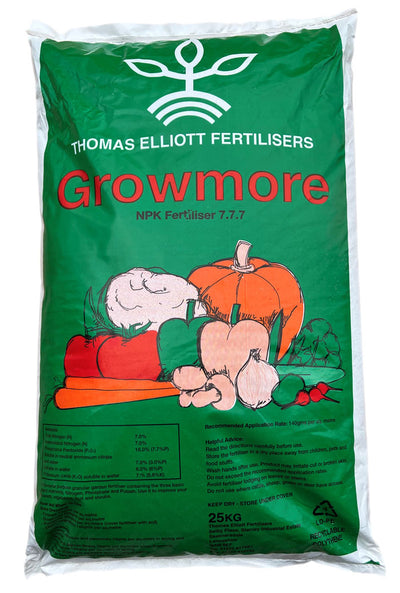
At its core, fertiliser improves soil fertility by supplying essential nutrients required for strong plant performance. Grass, trees, hedging, fruit crops and flowering plants all depend on a balanced supply of Nitrogen, Phosphorus and Potassium, commonly expressed as the NPK ratio. These nutrients drive leaf growth, root establishment and overall plant strength, forming the foundation of effective plant nutrition.
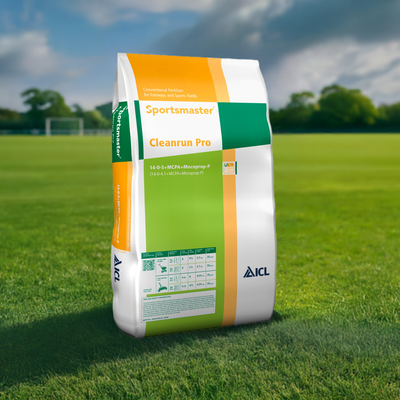
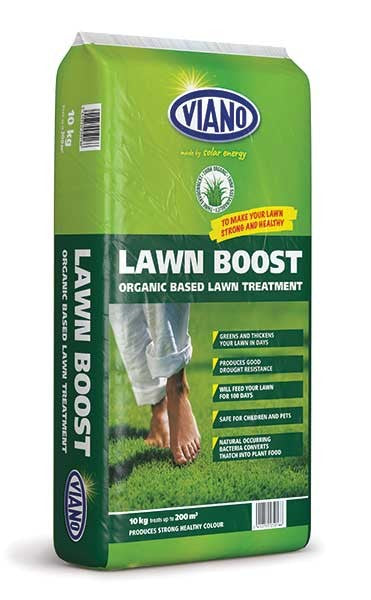
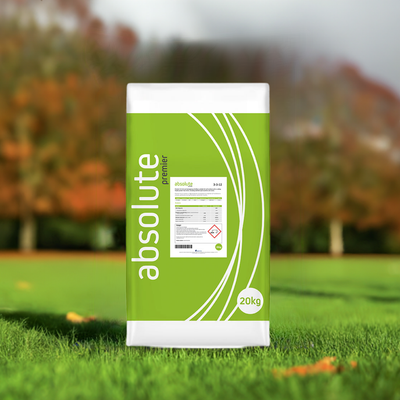
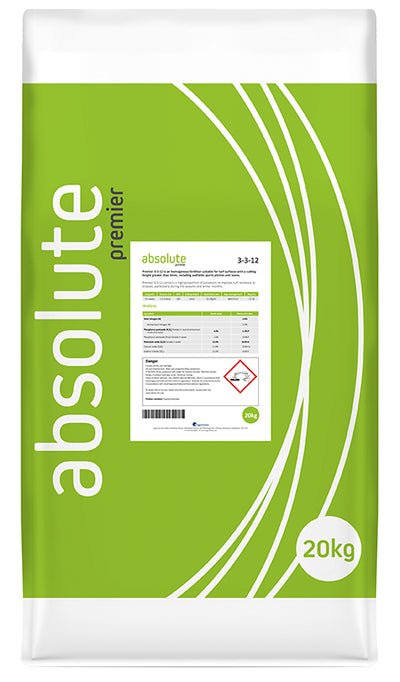
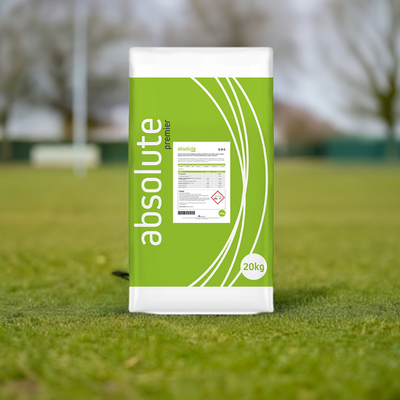
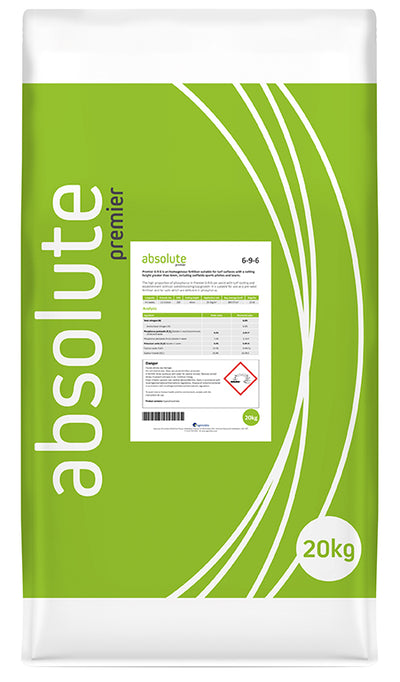
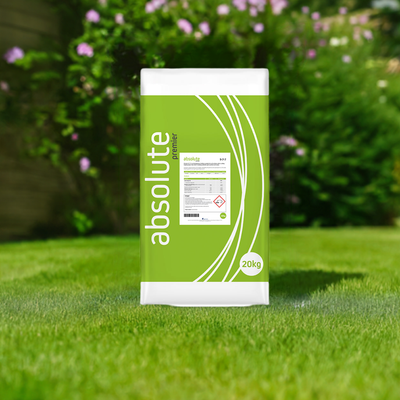
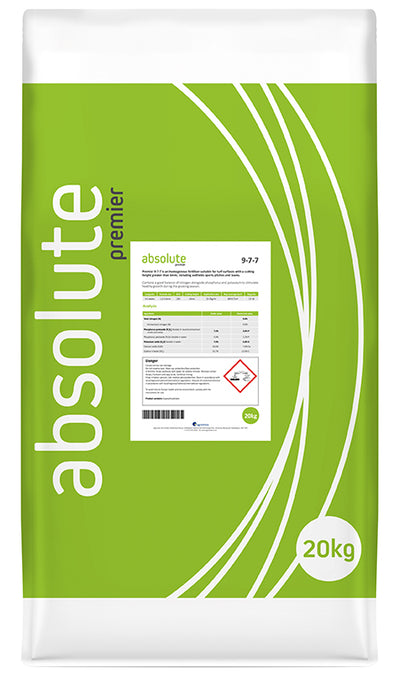
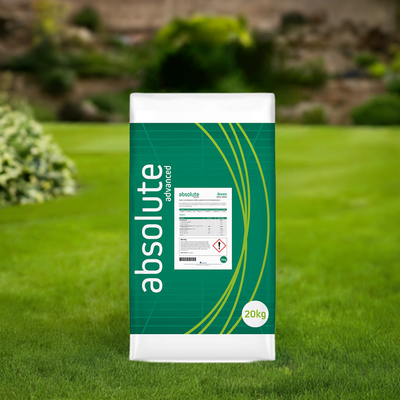
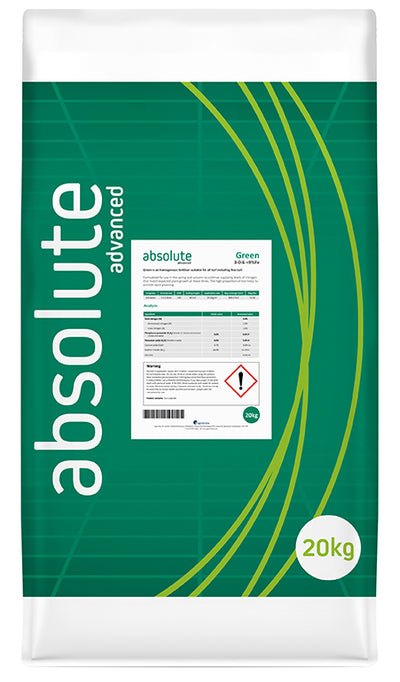
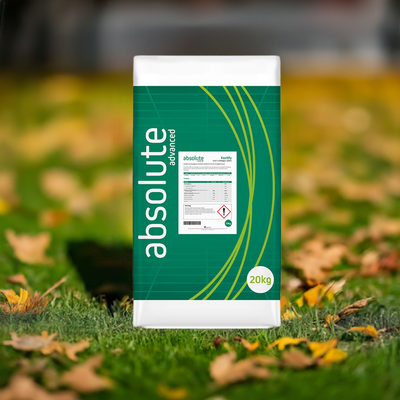
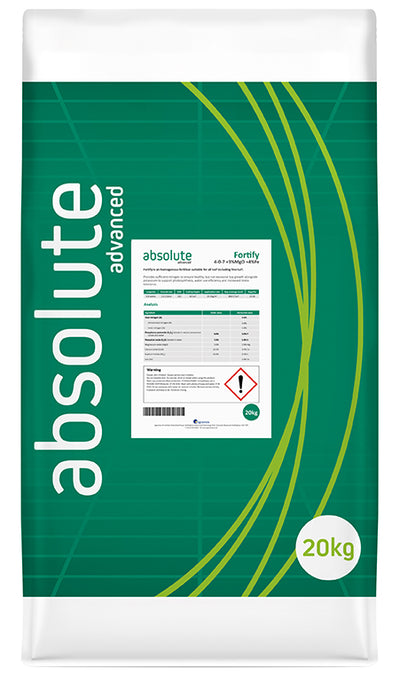
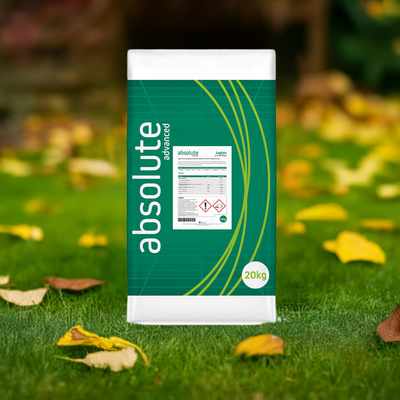
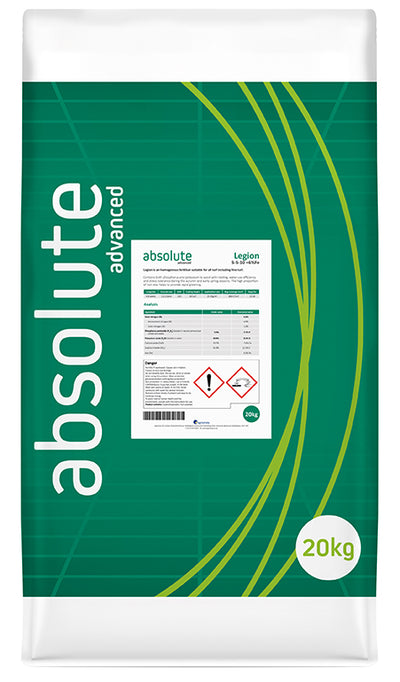
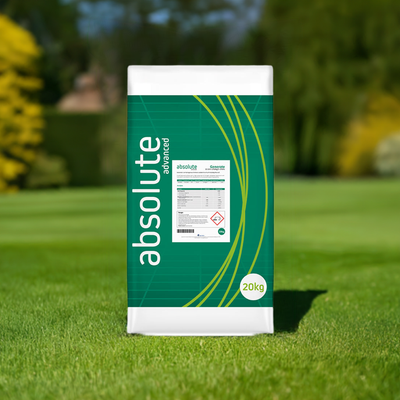
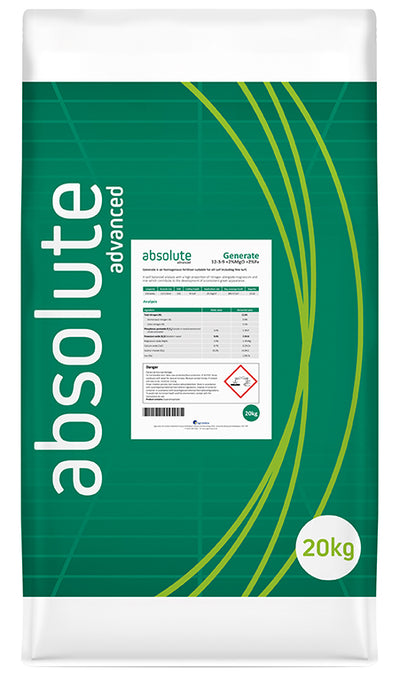
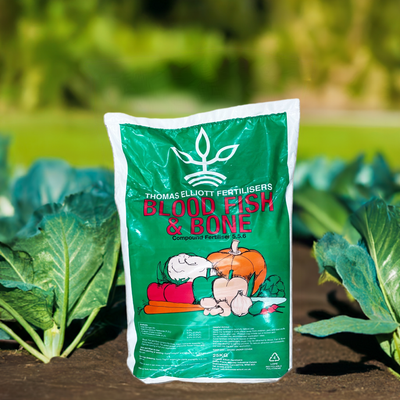
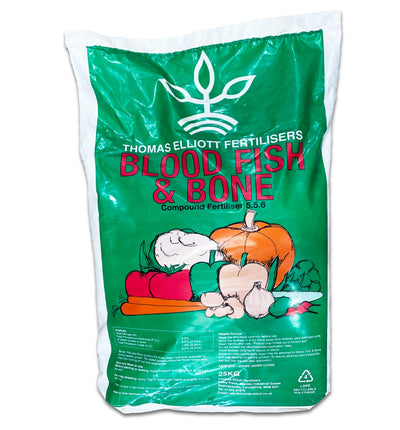
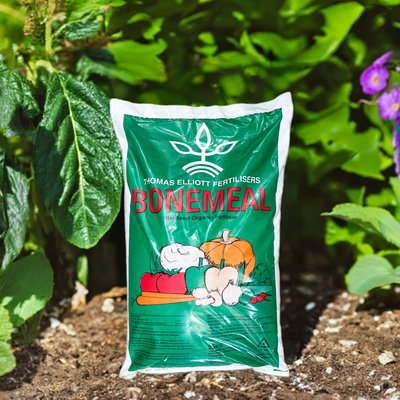
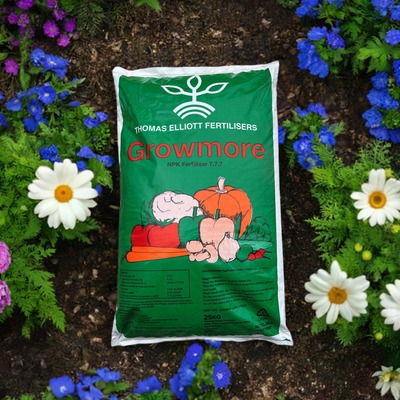
The collection includes granular fertiliser, liquid & soluble fertiliser , organic fertilisers along with slow release fertiliser options, allowing both professionals and experienced gardeners to tailor feeding programmes across multiple applications. Many products also include micronutrients, supporting colour, vigour and long-term plant health in a wide range of soil types.
Nitrogen, Phosphorus and Potassium in Plant Growth
Each nutrient within a fertiliser plays a specific role. Nitrogen supports leafy growth and strong colour, essential for lawns, bedding plants and productive crops. Phosphorus is critical for root development, particularly during establishment phases such as seeding, planting trees or installing hedging. Potassium strengthens plants, improving resilience to environmental stress and supporting efficient nutrient uptake.
Getting the right NPK balance ensures a stable soil nutrient balance, whether establishing new turf, supporting paddock recovery or encouraging strong flowering displays.
Granular, Liquid and Pre-Seeding Fertiliser Options
Different fertiliser types provide flexibility across landscaping and growing applications. Granular fertiliser is widely used due to its ease of application and consistent coverage, particularly when applied with professional lawn spreaders. Liquid & soluble fertiliser offers a rapid response, making it suitable for boosting plant performance during key growth periods.
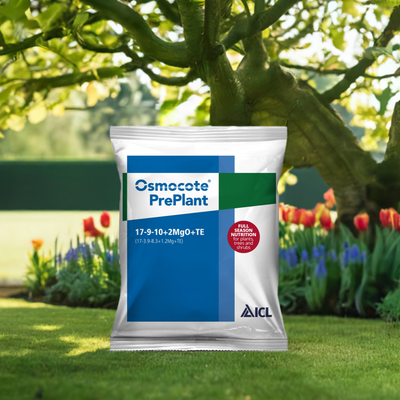
Pre-seeding fertilisers are specifically formulated to support early establishment. These products typically contain higher phosphorus levels to encourage rapid root development, making them ideal for new lawns, overseeding projects and preparing ground for turf establishment. They are equally valuable when preparing soil for wildflower areas or ornamental planting schemes.
Slow release fertiliser provides controlled feeding over an extended period, helping maintain steady growth without excessive flushes. This is particularly useful in paddocks and equine environments, where balanced growth is preferred over rapid, lush development.
Feed, Weed and Moss Control Integration
Fertiliser is often used alongside feed, weed and moss control strategies to maintain clean, healthy turf. Combined products bring together lawn fertiliser with targeted weed control, helping desirable grasses establish dominance. Where moss is present, integrating moss control improves surface condition and supports stronger grass coverage.
This integrated approach is widely used across lawns, landscaped areas and paddocks, helping maintain consistent grass health while reducing competition from unwanted species.
Fertiliser Use in Tree, Hedge, Fruit and Ornamental Planting
Beyond lawns and paddocks, fertiliser plays a vital role in tree and hedge planting, as well as in fruit, vegetable and ornamental displays. During planting, incorporating fertiliser into the backfill soil helps improve early root establishment and supports long-term growth.
For trees and hedging, fertilisers with balanced or root-focused nutrient profiles encourage strong establishment and sustained development. This is particularly important in larger landscape schemes, estate planting and boundary installations where plant longevity is essential.
In fruit and vegetable growing, fertiliser supports productive yields by maintaining consistent nutrient availability throughout the growing season. Nitrogen encourages leafy growth, while phosphorus and potassium support flowering, fruit set and crop quality.
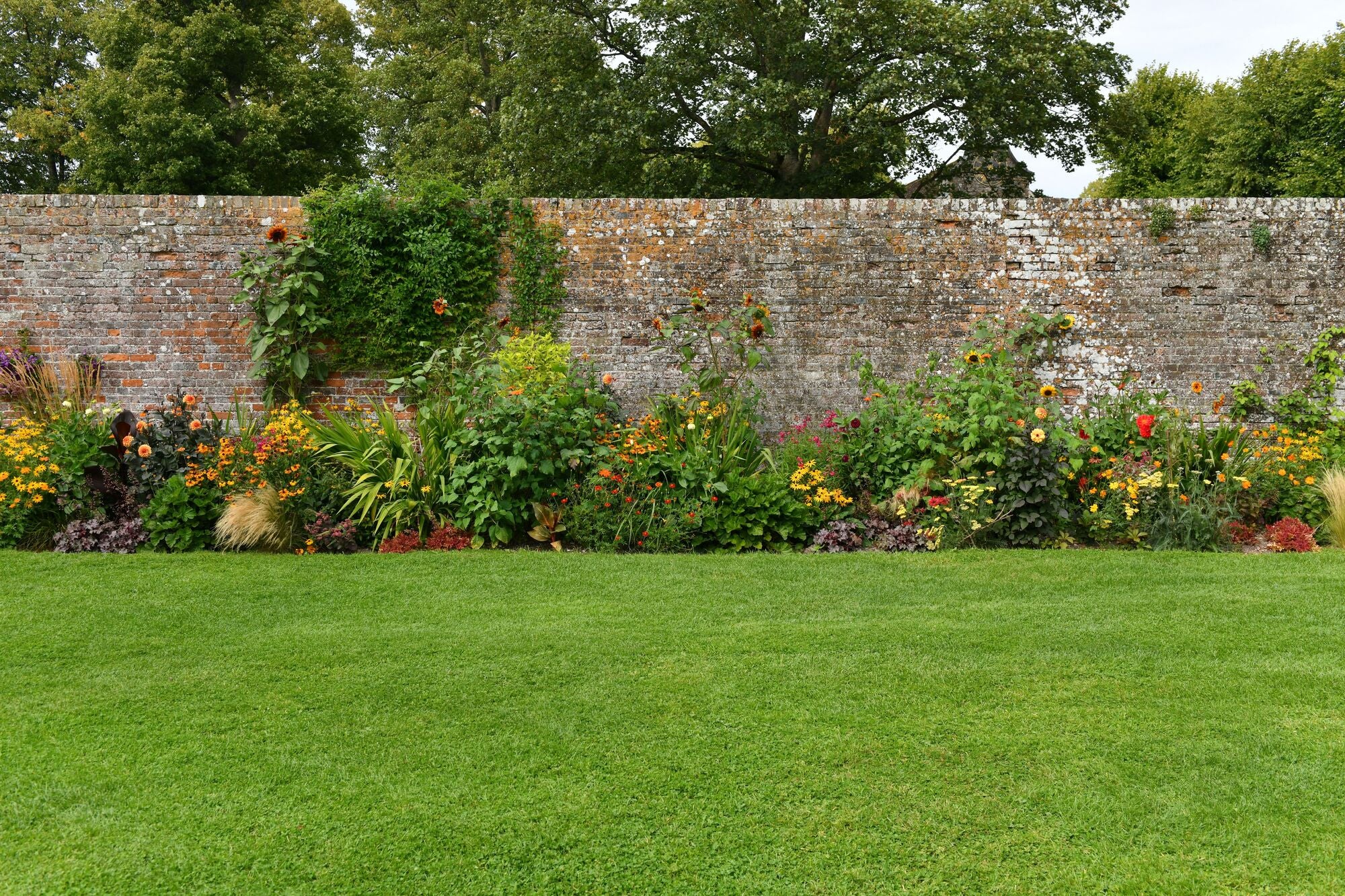
Flower beds and bedding displays also benefit from regular feeding. Balanced fertilisers enhance colour, prolong flowering periods and improve overall plant vitality, ensuring high-impact visual results in both domestic and commercial settings.
Seasonal Fertiliser Programme for Lawns, Paddocks and Planting
Fertiliser application should align with seasonal growth cycles. In spring, higher nitrogen fertilisers support recovery and active growth across lawns, paddocks and newly planted areas. This is also a key period for applying pre-seeding fertiliser to support establishment.
During summer, balanced or slow release fertilisers help maintain steady growth and consistent performance across turf, planting schemes and productive crops. In paddocks, this approach supports even grass cover without excessive growth.
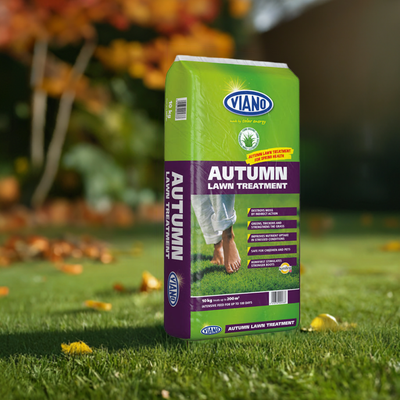
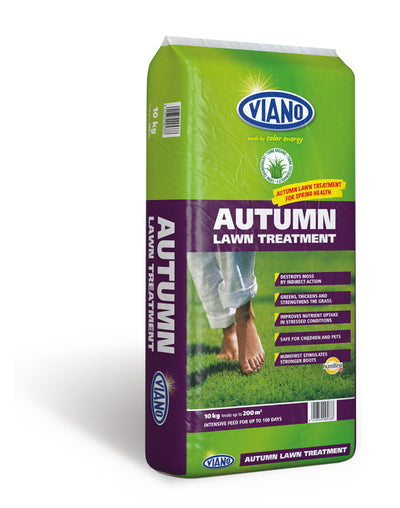
Autumn fertilisers typically contain higher potassium levels to strengthen plants and support root systems ahead of winter. This is particularly valuable for lawns, hedging and newly established trees.
Across all seasons, the aim is to maintain stable turf nutrition and healthy plant development while supporting long-term soil fertility.
Professional Fertiliser Programmes and Integrated Landscape Care
Fertiliser forms part of a broader, integrated approach to landscape and turf management. A typical programme may begin with soil improvement using soil conditioners, followed by establishment with quality grass seed or planting schemes for trees, hedges and beds. Ongoing maintenance includes fertiliser applications to sustain growth, supported by weed control and moss control where required.
To improve moisture efficiency, wetting agents can be incorporated, particularly on free-draining soils or during dry conditions. Consistent application using lawn spreaders ensures even coverage and reliable results. This joined-up approach supports long-term turf nutrition, strong plant establishment and professional landscape presentation.
From a practical perspective, well-managed feeding programmes enhance the visual quality of landscaped areas, improve plant resilience and support consistent performance across lawns, paddocks, planting schemes and productive growing spaces.
Choosing the Right Fertiliser for Safe and Effective Use
Selecting the correct fertiliser depends on soil condition, intended use and site requirements. For paddocks, equine environments and family gardens, there is often a focus on products that are suitable for child and pet friendly use once applied correctly and allowed to settle in line with product guidance.
Granular fertiliser is typically preferred for larger areas due to its efficiency and consistency, while liquid & soluble fertilisers offer targeted application where needed. Pre-seeding fertilisers are essential for establishment phases, while balanced fertilisers support ongoing maintenance across lawns, planting and growing areas.
By understanding how fertiliser influences plant nutrition, root development and overall soil performance, users can build effective feeding programmes that deliver reliable results across a wide range of professional and domestic landscaping applications.