Raised Garden Planters and Controlled Growing Environments
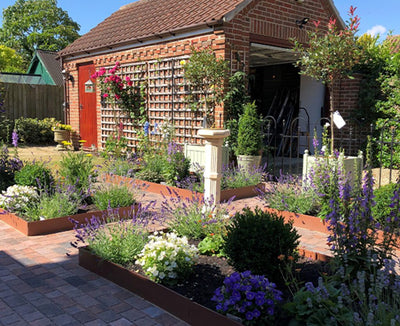
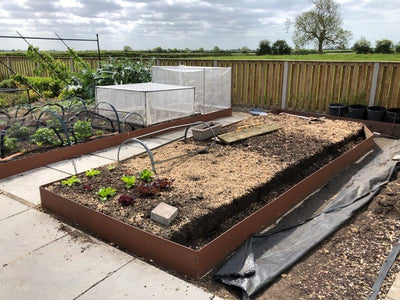
Raised garden planters are more than aesthetic features; they are precision tools for creating controlled growing environments. By elevating the planting zone, landscape professionals can bypass poor native soil conditions—such as heavy clay or compacted ground—to create a bespoke root zone. These systems are engineered for durability, helping home gardeners wanting more structured borders, flowerbeds and vegetable containers to landscape contractors and estate managers achieve superior drainage, optimised nutrient uptake, and improved thermal stability for year-round plant health and a perfect growing environment.
Optimised Soil Structure and Drainage Architecture
The primary technical advantage of a raised planter is the ability to engineer the soil profile from the ground up. In professional landscape construction, this is vital for managing the "Air-to-Water" ratio in the root zone.
- Enhanced Drainage: By raising the soil profile, gravitational drainage is improved, preventing the anaerobic conditions often found in waterlogged garden beds.
- Root Zone Depth: High-quality planters allow for a consistent soil depth (ideally 20 inches / 50cm or more), which is essential for the healthy development of deep-rooting shrubs and vegetables.
- Thermal Regulation: Soil in raised beds warms up faster in the spring than the surrounding earth, extending the growing season and supporting quicker germination.
To maintain this environment, during extreme dry spells, we recommend integrating organically approved MAD Moisture -Organic Hydrogel. Unlike standard irrigation, this organic hydrogel acts as a subsurface reservoir, capturing and releasing water directly to the roots—a critical feature for the free-draining nature of planters and raised beds.
Materials and Durability in Professional Landscapes
Selecting the right material is essential for the longevity of any landscape project. Our collection focuses on high-performance materials that withstand the UK climate:
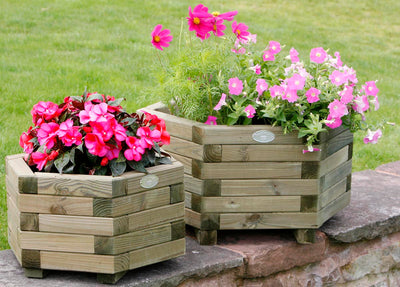
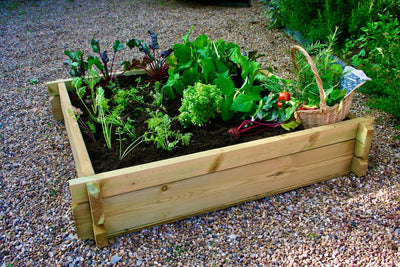
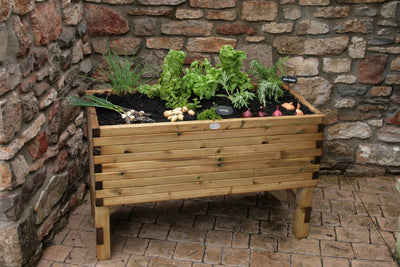
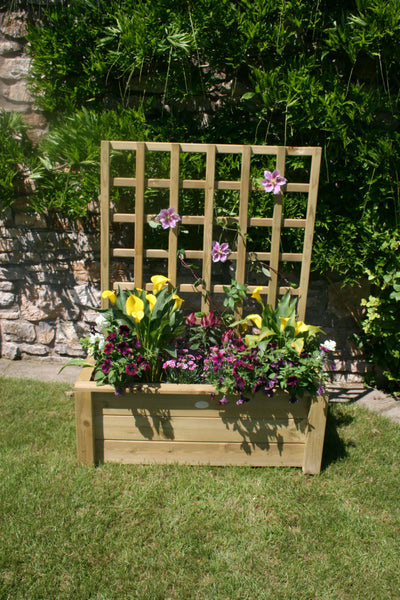
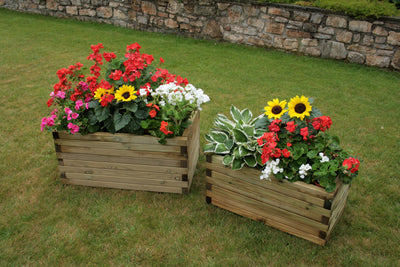
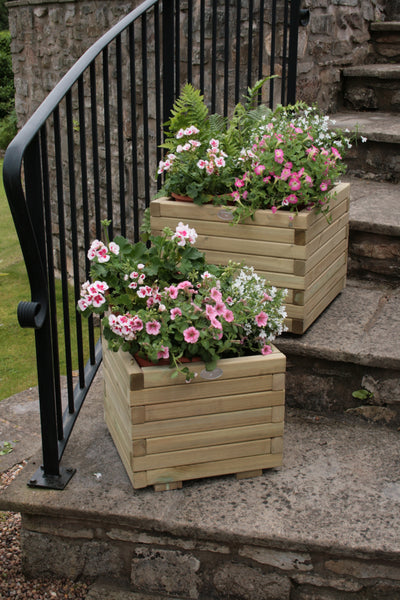
- Pressure-Treated Timber: These wooden planters are treated to resist fungal decay and wood-boring insects, making them a sustainable choice for domestic gardens, allotments, estate kitchen gardens and residential borders.
- Contemporary Metal Systems: For commercial grounds and urban landscapes or those wanting a modern look in their garden galvanized or powder-coated steel provides a sleek aesthetic with maximum resistance to deformation and weathering.
- Modular Configurations: These allow for complete design flexibility, enabling the creation of tiered landscapes or structured "zones" that define the flow of an outdoor space.
How to Installation and Technical Setup
For a professional-standard finish, precision is key. A poorly installed planter can bow under the weight of wet soil or fail to drain correctly.
- Foundation and Levelling: Use string lines and levels to ensure a true base. If placing on turf, a layer of weed suppressant membrane (Weed Suppressants & Mulching Fabrics) should be used to prevent invasive weeds from growing up into your new growing medium.
- Strategic Filling: For deep planters, use a "Hugelkultur" or layered approach—starting with organic bulk material at the base and finishing with a high-quality loam and compost blend.
- Moisture Management: Mixing MAD Moisture - Organic Hydrogel into the lower third of the planter during the filling stage provides long-term drought resistance, reducing the need for constant manual watering.
Integrated Ground Management Systems
In professional landscape design, raised planters are often the centrepiece of a wider maintenance strategy. They help organise planting into manageable sections, which reduces the labour required for specialised vegetation management.
In professional applications, this often involves:
- Total Weed Control: Applying residual barriers or targeted herbicides under and around the planter to prevent encroachment on gravel or paved surrounds.
- Selective Herbicides: Managing the surrounding turf without risking the health of the ornamental plants within the raised bed.
- Surface Maintenance: Using top dressing to refresh the soil levels as organic matter naturally settles.
Delivering High-Performance Landscape Finishes
Integrating professional-grade raised beds into a design ensures a foundation of quality that lasts for seasons to come. By prioritising soil health and structural durability, you create environments where plants can thrive regardless of the native ground conditions.
Explore our full range of construction Landscaping & Garden products to achieve a truly prestigious finish on your next project.