Biological Pest Control & Integrated Pest Management (IPM)
Biological pest control is a sophisticated, science-led that can be used as an alternative to, or in combination with, traditional synthetic pesticides. By leveraging natural predators and microorganisms, gardeners, landscapers, grounds maintenance teams and professional groundskeepers can manage soil-borne threats while preserving the delicate ecological balance of lawns, high-value turf and managed landscapes. This approach is the cornerstone of Integrated Pest Management (IPM), which focuses on sustainable, long-term suppression and the reduction in use of chemicals.
Key Biological Control Agents:
- Entomopathogenic Nematodes:
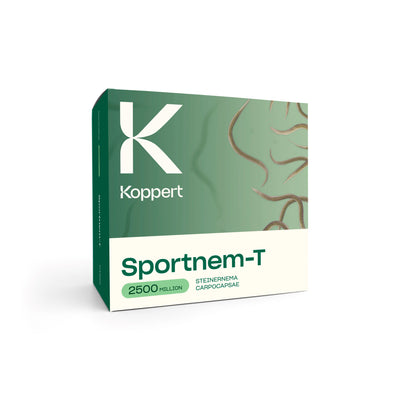
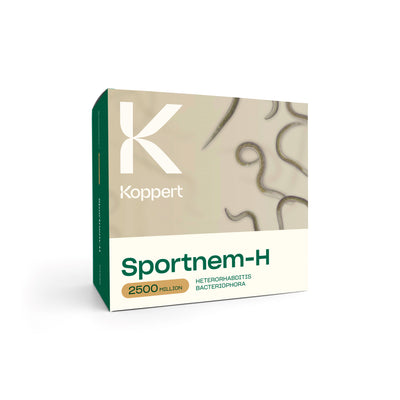
Microscopic worms (e.g., Steinernema and Heterorhabditis) that actively hunt and eliminate soil larvae. - Pheromone Monitoring:
Precision traps used to track the emergence of adult Chafer Beetles and Crane Flies (Daddy Long Legs). - Targeted Biopesticides:
Naturally derived formulations that disrupt pest life cycles without harming beneficial pollinators or soil microbes.
Combating Subsurface Turf Pests: Chafer Grubs & Leatherjackets
One of the primary threats to UK turf health comes from the larval stages of the Chafer Beetle and the Crane Fly. Left unmanaged, Chafer Grubs and Leatherjackets consume grass roots, leading to rapid sward thinning and secondary damage from birds and mammals foraging for larvae.
Our biological treatments provide a precise Mode of Action. Once applied, beneficial nematodes enter the host larvae, releasing symbiotic bacteria that aims to neutralises the pest within 24–48 hours. This targeted intervention is ideal for maintaining "zero-residue" environments in public parks, schools, and private estates.
Advanced Turf Health and Root System Protection
Biological control is most effective when the host environment is optimised. A vigorous root system can often withstand minor pest pressure that would decimate weakened turf. To maximise IPM effectiveness, these treatments should be used as part of a wider lawn turf maintenance programme.
By maintaining a porous, well-structured soil profile you ensure that biological agents like nematodes can migrate easily through the soil moisture film to find their targets.
The Professional IPM Calendar
Timing is the most critical variable in biological success. Biological agents are living organisms and require specific soil temperatures and moisture levels to thrive.
Season Pest Stage Management Action
Late Spring
Adult Emergence. Deploy Pheromone Traps to monitor population peaks.
Late Summer / Autumn
Young Larvae Primary application window for Beneficial Nematodes (warm soil).
Winter
Dormancy - Analyse monitoring data to plan next season’s Grass Seed renovation.
Precision Application with Knapsack Sprayers
For most liquid biologicals and repellents, professional knapsack sprayers are the preferred tool for achieving even, targeted coverage. To ensure maximum efficacy, particularly when using living organisms like nematodes, it is vital that the sprayer is thoroughly triple-rinsed to remove any residues of fungicides or herbicides.
For biologicals, ensuring a high-water volume and using a coarse nozzle will help the treatment reach the soil surface and move into the root zone where it is most effective.
Why Professionals Choose Amenity Biologicals
As chemical legislation tightens in the UK, biological pest control is no longer a "niche" option—it could be viewed as a practical necessity. Our products offer:
- Safety: No exclusion periods for pets, children, or wildlife.
- Specificity: Zero impact on non-target species like bees and earthworms.
- Sustainability: Supports the long-term biodiversity of the managed landscape.
Other Pest Control Methods
While biological organisms like nematodes are the primary choice for soil-borne larvae, a comprehensive management plan often requires specialist deterrents and targeted controls for surface and mammal pests.
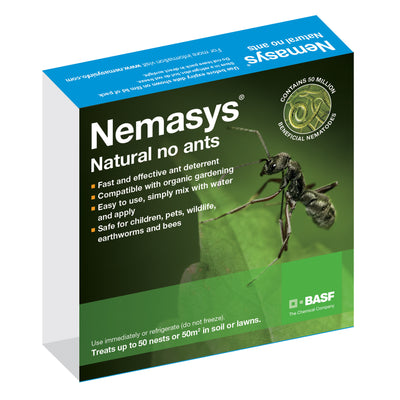
- Ant Control: Targeted solutions to manage colony disruption and prevent aesthetic damage to fine turf and paved areas.
- Deer & Rabbit Repellents: Non-toxic, sensory-based barriers that protect young trees and ornamental planting from browsing damage without harming the local ecosystem.
When applying mammal repellents, use a knapsack sprayer to treat the "browse line" (the height at which animals feed) on foliage. - Mole Management: Effective deterrents designed to maintain the structural integrity of sports turf and estate lawns by discouraging tunnelling in high-value areas.
A Proactive Approach to Amenity Management
Successful pest management is rarely about a single application; it is about choosing the right tool for the specific challenge. By integrating biological controls with specialist deterrents and high-quality application equipment, gardeners, estate managers and landscapers can maintain healthy, resilient environments.
At Amenity Choice, we provide the professional-grade products required to protect your landscape’s health, appearance, and long-term sustainability. Whether you are managing a complex IPM program or a specific pest outbreak, our range supports a cleaner, more balanced approach to modern grounds maintenance.