Spring Fertilisers and Turf Nutrition
Spring fertilisers play a critical role in re-establishing grass vigour after the physiological challenges of winter. As soil temperatures rise consistently above 6°C, microbial activity increases, allowing for the mineralization of organic matter and making nutrients more available for uptake. A well-balanced lawn fertiliser applied during the early season supports early leaf blade development, consistent vertical growth, and the knitting together of the grass sward, while boosting chlorophyll production and strengthening overall turf health.
Professional grounds maintenance teams, landscapers and keen gardeners prioritise a structured feeding programme in spring to stimulate consistent growth across managed grassed areas. This is particularly important where grass has been subjected to compaction, anaerobic soil conditions, or nutrient depletion - caused by rain and wet weather - over winter.
Selecting the correct grass fertiliser ensures that macronutrients such as nitrogen, phosphorus, and potassium are delivered in the precise NPK ratio, promoting a thicker sward rather than excessive, weak "flush" growth.
Nitrogen, Phosphorus, and Potassium in Grass Health
Nitrogen is central to grass growth, with it helping leaf blade extension and giving grass that deep vibrant green colour that visible changes are seen and associated with spring fertilisation. Utilising slow-release fertiliser technologies, such as methylene urea or polymer coatings, at this time of year helps maintain steady top growth without forcing rapid surges that can lead to abiotic stress in the grass (leaf rolling & folding or colour changes way from a vibrant green) or increased mowing frequency.
A seasonally targeted level of Phosphorus supports root development and energy transfer (ATP) within the plant, which is vital following winter dormancy when the root system and structure may be weakened.
Potassium contributes to overall plant resilience, regulating internal water movement and helping the grass plant cope with environmental stress. Together with secondary nutrients like Magnesium (MgO), these core elements contribute to improved plant nutrition and a more resilient, dense turf.
Spring fertilisers are typically formulated as granular fertiliser products to allow even distribution and reliable nutrient release. This format is widely used across both domestic lawns and professional landscaping environments due to its predictable longevity and ease of application across the turf surface.
Professional Lawn Fertiliser Programmes
A structured turf management programme is essential for maintaining high-quality surfaces across lawns, estates, and landscaped areas. Rather than a single application, professionals often manage the cation exchange capacity (CEC) of the soil through a seasonal approach to ensure consistent soil fertility throughout the year. Basically ensuring - how much food is in the soil - without it washing away before it can be fed on by the turf.
In spring, fertilisers are selected to encourage recovery and green-up. This is often followed by additional treatments to support sustained turf density. For those managing larger or more complex areas, high-performance lawn care products can be combined to create a comprehensive maintenance strategy tailored to the specific soil pH and site conditions.
Slow Release and Controlled Nutrient Supply
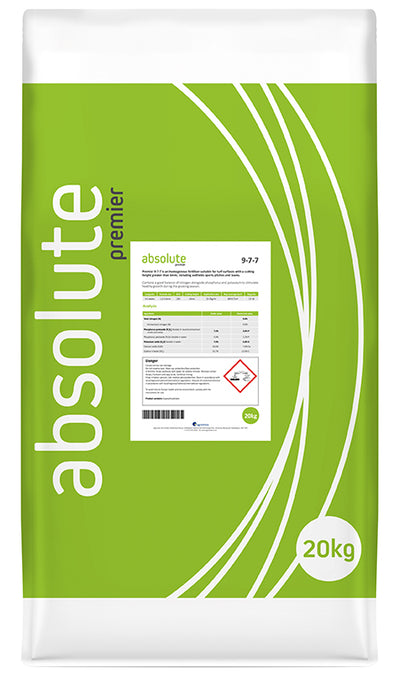
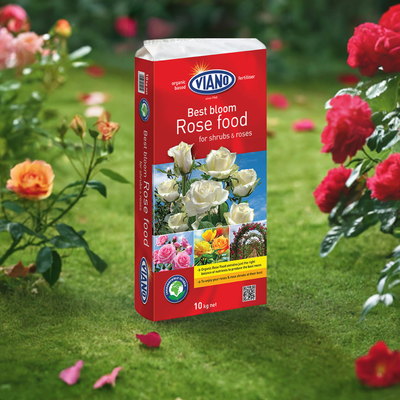
A slow release fertiliser in spring can be highly useful as this allows nutrients to be made available over an extended period - often 2 to 4 months - reducing the risk of nitrate leaching and improving overall nutrient uptake by the grass. This steady supply allows the lawn to knit together more effectively. A perfect solution for this would be the Viano fertiliser range, that also features some organic solutions.
By maintaining a steady supply of nitrogen, turf managers can avoid the peaks and troughs associated quicker releasing fertiliser. This results in more uniform growth and a healthier sward (grass) structure, which is particularly important in high-visibility landscaped areas.
To ensure even coverage, professionals utilise calibrated lawn spreaders, which allow for accurate application rates (g/m²) and prevent chemical scorching or "striping."
Spring Lawn Care and Soil Conditioning
Spring fertilisers should be considered part of a broader seasonal fertiliser programme. As part of early-season preparation, it is common practice to integrate fertilisation with cultural practices such as aeration, scarification (thatch and moss removal), and top-dressing with fertilisers and biostimulants such as mycorrhizae to improve the soil microbiome and encourage new leaf production.
Where soils are compacted, the use of soil conditioners like seaweed extracts or humic acids can help improve soil structure. In areas prone to water-repellency, incorporating wetting agents (surfactants) can improve moisture distribution within the rhizosphere, ensuring that fertiliser applications reach the roots efficiently rather than being lost through surface run-off. Equally, in areas prone to water logging wetting agents can help to move water away from the surface and into the rootzone.
Integrating Grass Seed and Lawn Recovery
Spring is also one of the best times of the year for overseeding and turf repair. When combined with high-quality grass seed, and a "pre-seeding fertiliser" seedling establishment is supported by providing essential phosphorus during the critical early growth phase. This is especially beneficial following winter damage where grass coverage needs improving.
A typical programme might begin with improving soil conditions, followed by overseeding and the application of a suitable spring fertiliser. Once the grass plant establishes, targeted use of weed control and moss control products (often containing chelated iron) can help maintain a uniform surface. This integrated approach ensures that the turf sward is not only growing but also outcompeting opportunistic weeds throughout the season.
Choosing the Right Spring Fertiliser
Selecting the correct spring fertiliser depends on several factors, including soil type (clay vs. sandy), turf health, and the level of maintenance required. High-quality formulations deliver precise nutrient ratios, supporting strong early-season growth while maintaining carbohydrate reserves in the plant.
Spring fertilisers are most effective when applied when the grass is actively growing and the soil is moist but not saturated. By integrating these applications with wider general good management practices, it is possible to achieve consistent, high-quality results across all landscaped environments, ensuring the grass remains healthy, resilient, and visually strong throughout the year.