Synthetic & Hard Surface Maintenance: Performance Beyond Natural Turf
In the modern amenity landscape, artificial lawns and synthetic surfaces have evolved from mere aesthetic alternatives to critical engineered solutions. At the professional level, these systems—including porous hard surfaces and synthetic turf—are designed to provide year-round utility where natural biology cannot compete.
Whether specified for a high-traffic residential garden, a commercial courtyard, or a sports surface, these installations offer a level of surface stability and visual continuity that remains consistent even under intensive use.
The Anatomy of a High-Performance Surface
To understand the value of a professional installation, one must look beneath the surface. A successful artificial lawn or hard-standing area is defined by its structural profile:
- Polymer & Material Science: Contemporary lawns utilise advanced blends of polyethylene (PE) and polypropylene (PP), while hard surfaces rely on high-grade aggregates. These are engineered to withstand UV exposure and mechanical wear.
- Permeability & Hydrology: A professional-grade surface is a drainage system first. Perforated backings in artificial grass and porous gaps in hard surfaces ensure that water is vertically drained into the sub-base, preventing the "ponding" issues that lead to slip hazards.
- The Sub-Base Matrix: Long-term performance is dictated by ground preparation. A stable matrix prevents the undulations caused by soil movement, ensuring a level finish for years to come.
The Challenge of Moss, Algae, and Biofilms
Even the best-engineered surfaces face the challenge of the UK climate. In damp or shaded areas, both artificial lawns and hard surfaces can become hosts for moss, algae, and liverwort.
- Artificial Lawns: While the grass doesn't grow, organic debris can settle between the fibres. This creates a "micro-seedbed" where moss can take hold, eventually choking the drainage holes and making the lawn feel spongy.
- Hard Surfaces: Patios, walkways, and tennis courts are susceptible to green algae and "black spot" lichens. These don't just affect the look; they create a dangerously slick biofilm that compromises the safety of the area.
Strategic Maintenance: Hygiene and Safety
The misconception is that these surfaces are "maintenance-free." In reality, they require a shift from biological care (mowing) to physical and chemical hygiene.
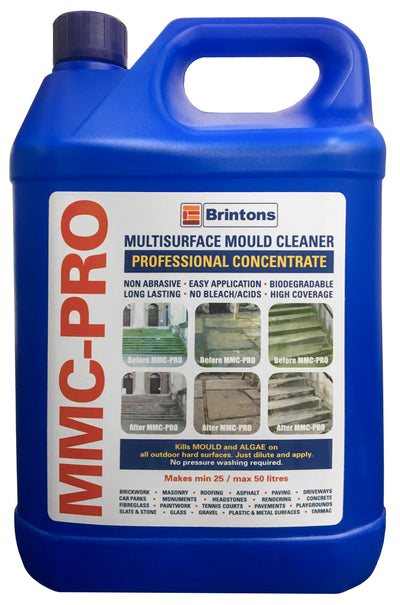
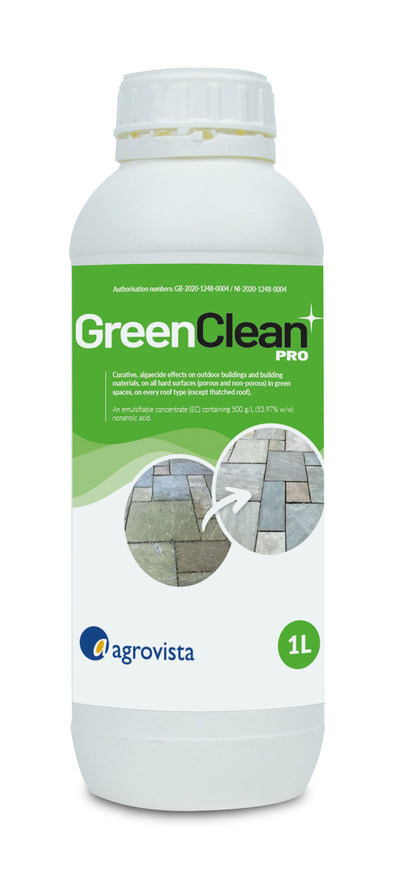
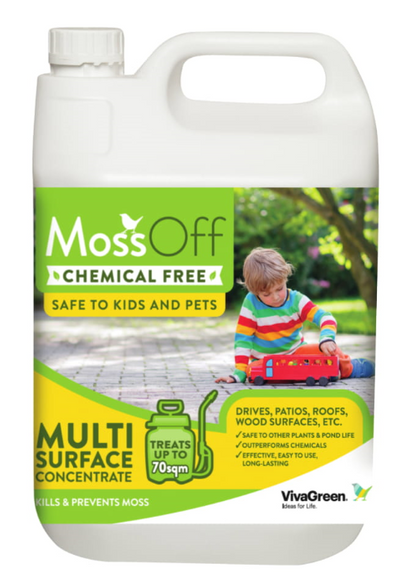
- Systemic Cleaning: Using a specialised algae and moss killer or cleaner is essential for deep-cleaning. These products work by breaking down the cellular structure of the moss without damaging the synthetic fibres or the stone's integrity.
- Hard Surface Protection: For driveways and pathways, a professional hard surface moss killer provides a rapid "knockdown" of growth and often leaves a residual protection that inhibits spores from recolonising the surface.
- Debris Management: Regular cleaning prevents the buildup of silt and leaf litter, which are the primary food sources for moss and algae.
Expert Insight: A synthetic surface is a physical asset, not a biological one. By swapping the lawnmower for a power brush and treating the area with a dedicated moss suppressant, you aren't just cleaning the grass or stone—you are protecting the drainage integrity and slip-resistance of the entire installation.
Managing Weeds on Hard Surfaces
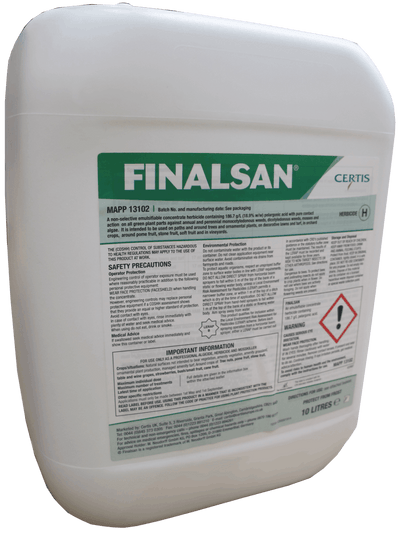
While artificial lawns and hard surfaces are designed to be "weed-free," the reality of wind-blown seeds and organic accumulation means that even the best-engineered systems can see unwanted growth. On hard surfaces like block paving, gravel, or even artificial grass weeds often take root in the joints or the fine silt that gathers on top of the sub-base. Left unchecked, the root systems of aggressive weeds can actually heave paving or tear through the backing of synthetic turf, compromising the structural integrity of the installation. Effective weed control on these surfaces requires a professional approach—utilising specialised herbicides that provide a srong level of control without staining the stone or damaging the synthetic polymers of the lawn. (NB: Always read the label before applying weed killers or cleaners)
The Amenity Standard: Reliability and Results
By incorporating engineered artificial lawns and high-quality hard surfaces into your outdoor space, you remove the variables of seasonal weather. These systems offer a predictable performance that supports modern "outdoor living" and commercial presentation if you have a strong maintenance approach.