Hard Surface Weed Control: Professional Patios, Paths & Driveways
Keeping hard landscapes clean and presentable is a core pillar of professional grounds maintenance and keen gardeners. Patios, paths, and driveways form the landscaping backbone of outdoor spaces, linking planting schemes and access routes. However, these surfaces naturally accumulate organic debris in joints and cracks, creating the perfect environment for stubborn weeds and invasive growth.
These professional herbicides target unwanted growth on concrete, paving, tarmac, and stone without the need for invasive mechanical cleaning.
Technical Weed Control for Hard Landscapes
Weeds on driveways and patios typically establish in joints where fine organic matter collects. Once rooted, they can quickly undermine the surface structure.
1. Systemic Eradication (Root-Zone Targeting)
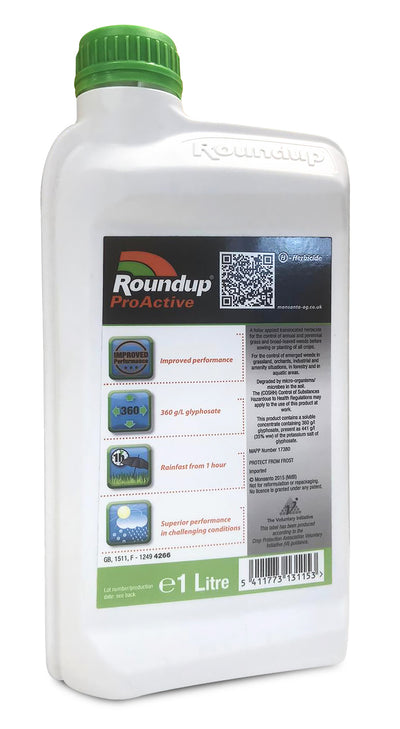
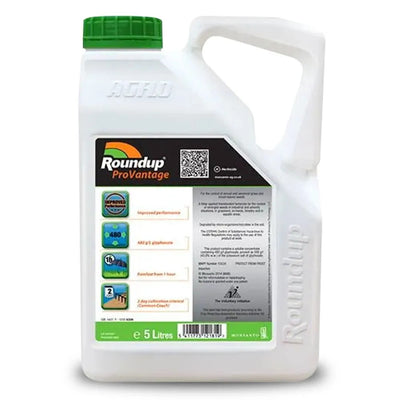
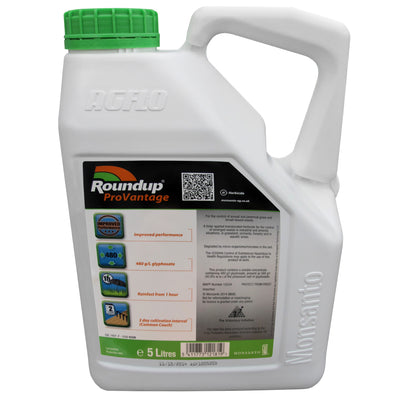
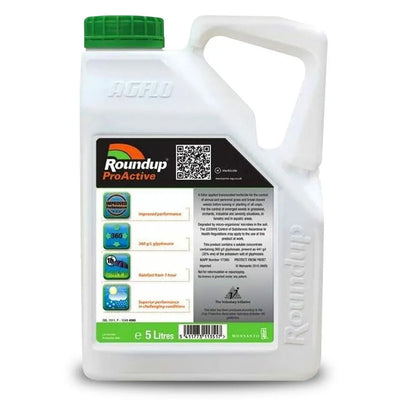
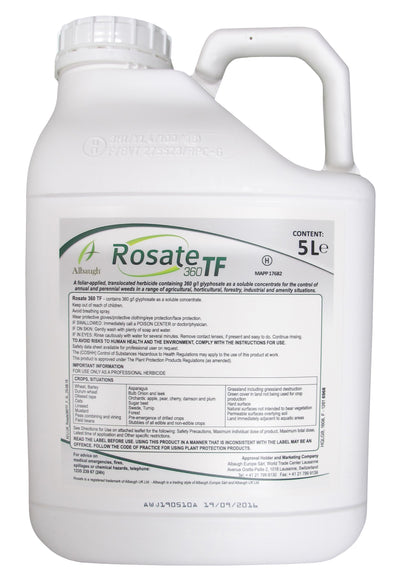
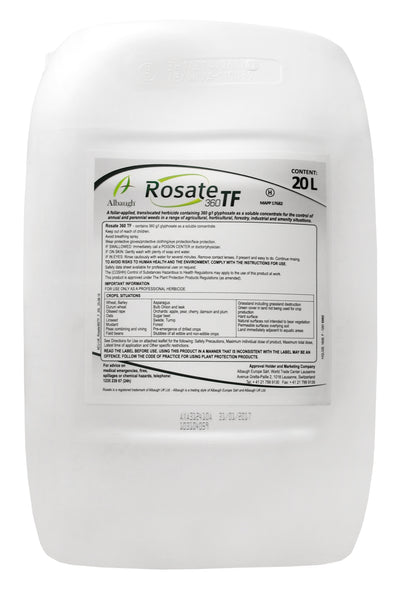
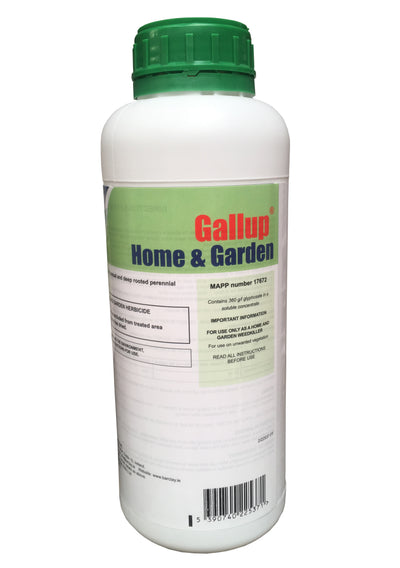
For established weeds, professional systemic herbicides—predominantly glyphosate-based—are highly effective solutions. These work by:
- Foliar Uptake: The active ingredient is absorbed through the leaves.
- Translocation: The chemistry is transported through the plant’s vascular system directly to the roots.
- Complete Control: This ensures the plant is controlled down to the root, preventing regrowth from deep within paving joints or gravel sub-bases.
2. Fast-Acting & Glyphosate-Free Alternatives
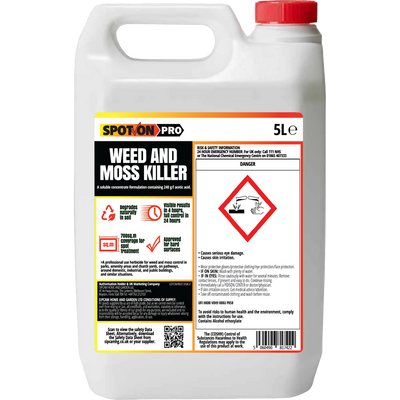
In sites where glyphosate-free applications are mandated or preferred, these alternatives provide a high-performance solution. Utilising advanced contact-action chemistry, they rapidly desiccate green plant tissue to deliver a visible 'knockdown' effect within hours of application.
Surface Protection & Landscape Presentation
For contractors and estate managers as well as gardeners, maintaining these surfaces is not just about aesthetics—it is about protecting your paths, driveways and hard surfaces from long term damage.
- Preventing Surface Deterioration: Root systems from woody weeds can uplift block paving and cause tarmac to crack, leading to expensive repairs.
- Slip Hazard Reduction: While our primary focus is weed eradication, clearing vegetation also removes the "anchor points" for moss and algae, which form slippery biofilms in damp or shaded areas.
- Professional Standards: Clean, weed-free edges between paving and turf signal a high standard of care and attention to detail. Maintaining weed-free surfaces also delivers a significant psychological benefit; research consistently shows that a well-kept environment fosters greater public respect, effectively reducing littering and discouraging anti-social behaviour in communal areas
Seasonal Application & Timing
While hard surface treatments can be applied year-round, professional results depend on environmental conditions:
- Spring & Early Summer: The peak period for control. Applying treatments during active growth ensures maximum herbicide uptake.
- Autumn: Controlling weeds in autumn is vital for long-term surface protection. Removing vegetation before it dies back prevents decaying matter from filling paving joints—debris that would otherwise act as a 'seedbed' for moss and contribute to frost heave, which can crack or lift hard surfaces during the winter.
- Conditions: For all professional herbicides, apply to a dry leaf and ensure a "rain-free" window for averagely 4-6 hours (read the product label for guidance) to prevent the product from washing off into non-target areas.