Stem Injection Systems: Technical Overview and Application in Invasive Species Management
Stem injection is a precise herbicide application methodology used for the control of invasive, hollow-stemmed plants and woody species.
Unlike broadcast foliar applications, this technique involves the direct delivery of a concentrated herbicide into the plant's vascular tissue. This method is primarily utilised in professional grounds management to ensure total translocation to the root system while eliminating the risks associated with chemical drift.
The Science of Stem Injection and Translocation
The efficacy of stem injection relies on the plant's internal transport system. By introducing a systemic herbicide—typically a glyphosate-based formulation—directly into the internodal cavity of a stem, the active ingredient is absorbed by the vascular bundles.
This process facilitates basipetal translocation, where the herbicide moves downward to the rhizomes or root architecture. This is particularly critical for the eradication of Japanese knotweed (Fallopia japonica), where the extensive underground network must be neutralised to prevent regrowth.
Technical Specifications and Operational Benefits
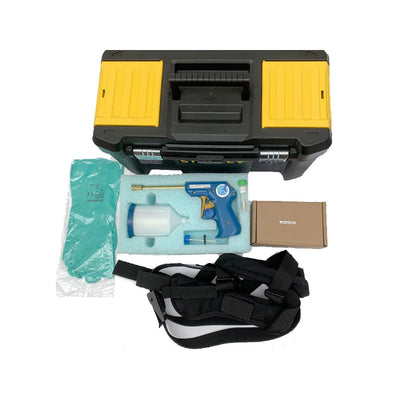
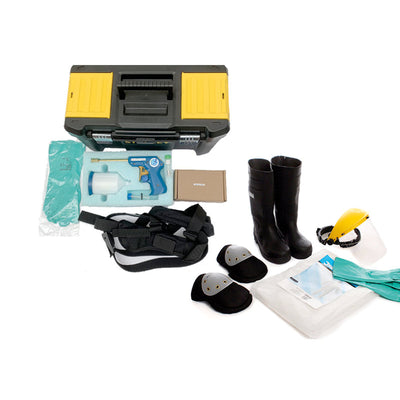
Instead of a traditional approach of spraying stem injection control offers a finer, more targeted approach:
- Precision Dosing Calibration
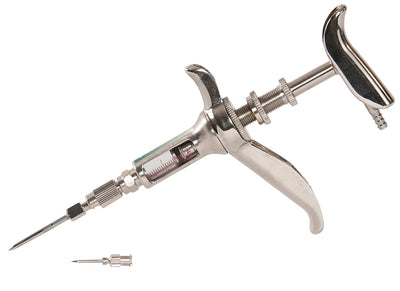
Modern systems allow for increments of 1ml to 5ml, ensuring the operator meets legal herbicide label requirements while minimising chemical waste. - Specialised Needle Gauges
Needles are specifically engineered to puncture tough, lignified exterior tissue without causing stem splitting, which prevents herbicide leakage onto the soil. - High-Integrity Chemical Seals
The use of chemical-resistant Viton or specialised synthetic seals are essential to prevent operator exposure and ensure the longevity of the tool under professional use.
Operational Best Practices and Compliance
For maximum efficacy, stem injection should be integrated into a wider Invasive Weed Management Plan (IWMP).
Seasonal Timing
The optimal window for treatment is during the late flowering stage (typically August to October). During this period, the plant is naturally moving nutrients down to its roots for winter dormancy, which enhances the downward movement of the herbicide.
Environmental Specificity
Direct injection removes the risk of "off-target" damage. This allows for the treatment of invasive species located within ornamental borders, near sensitive aquatic environments, or adjacent to high-value turf. It is a weather-independent solution, as the herbicide is protected from rain-wash inside the stem.
Integration in Managed Landscapes
In complex environments such as commercial estates or public parks, stem injection is an ideal application method. It allows for the removal of high-impact weeds like giant hogweed, Japanese knotweed or Himalayan balsam without disrupting the surrounding ecosystem. When combined with traditional maintenance, ensuring the long-term health and aesthetic integrity of the managed landscape.
Safety and Certification
While stem injection is a safe targeted method, when used in conjunction with a professional MAPP registered herbicide operators should hold the relevant NPTC (Level 2 Award in the Safe Application of Pesticides) qualifications.
Furthermore, when treating weeds near water, prior agreement from the Environment Agency (in England) or the relevant territorial body is required.