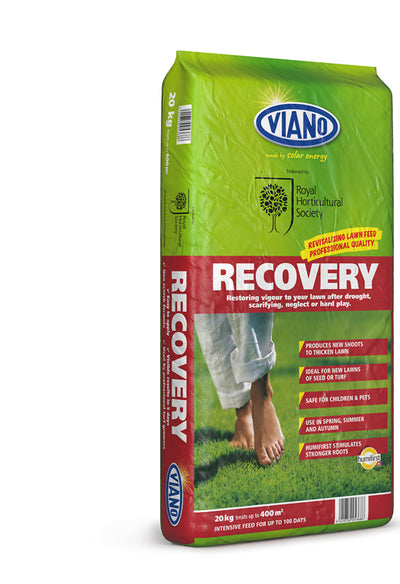
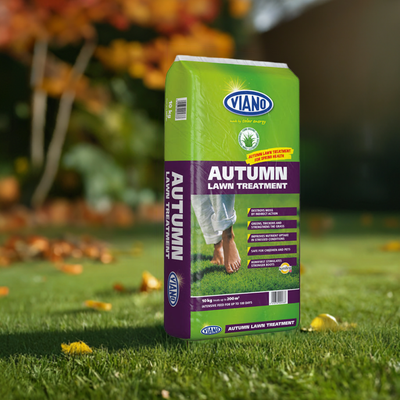
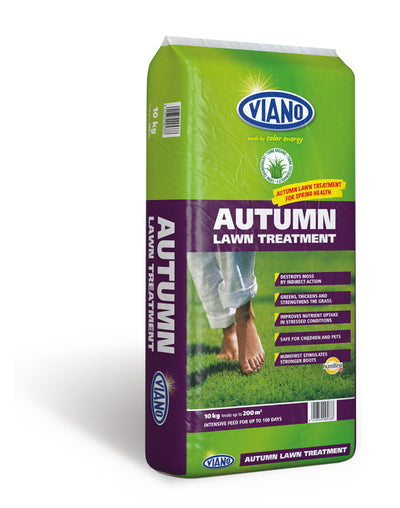
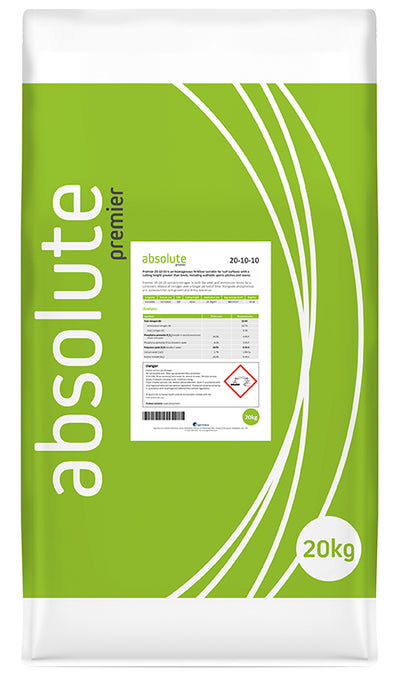
Drought and Recovery Fertilisers | Drought Recovery Fertiliser for Turf, Trees & Landscapes | Restoration of Soil and Plant Vitality
Drought recovery is a physiological and soil-based restoration process that extends beyond simple rehydration. When turf, trees, and ornamental landscapes experience prolonged moisture deficit, plants enter a protective stress response that reduces growth, closes stomata, and limits metabolic activity to conserve water.
Drought recovery fertilisers are designed to support the transition out of this stress state by restoring nutrient availability, supporting root regeneration, and encouraging balanced regrowth once moisture conditions improve.
The best approach is to select plants that are less affected by water limitations if that is an ongoing issue to support the soil and surfaces by using organic matter and mulches to limit water loss.
The Role of NPK in Drought-Stressed Landscape Recovery
Effective drought recovery requires a carefully balanced nutrient strategy that prioritises root function, cellular repair, and structural resilience over rapid top growth.
Potassium (K) – Osmotic Regulation and Stress Tolerance
Potassium plays a critical role in regulating osmotic balance within plant cells and supports stomatal function, helping plants manage water loss more efficiently once rehydration begins. It also contributes to cell wall strength, improving tolerance to heat and secondary stress conditions such as scorch and dieback.
Phosphorus (P) – Root Regeneration and Energy Transfer
Drought stress often leads to significant fine-root loss, particularly in turf and shallow-rooted ornamentals. Phosphorus supports root initiation and development by facilitating energy transfer (ATP activity), helping plants regenerate feeder roots and re-establish access to deeper soil moisture.
Nitrogen (N) – Controlled Recovery Growth
Controlled or slow-release nitrogen supports the gradual restoration of chlorophyll production and canopy recovery. This helps prevent excessive soft growth immediately after drought stress, which can be more susceptible to pest pressure and environmental shock.
Soil Hydrophobicity and Post-Drought Recovery Challenges
One of the most common post-drought issues is soil hydrophobicity, where dry soils develop water-repellent organic coatings that prevent effective infiltration.
This condition leads to uneven wetting, runoff, and localized dry patches—particularly in turf systems.
Turf Recovery
In lawns and sports turf, hydrophobic soils can prevent nutrients and moisture from reaching the root zone, resulting in patchy recovery and inconsistent sward density. Recovery fertilisers are most effective when combined with aeration or spiking to improve infiltration.
Trees and Shrubs
In woody planting, drought stress can lead to compacted or water-repellent soil conditions around the root zone. Improving soil contact and nutrient availability after rewetting supports recovery of fine roots and overall plant stability.
Professional Application Guidelines
Correct timing and application method are essential for effective drought recovery.
Turf and Grassland
Apply using a calibrated broadcast or drop spreader to ensure even distribution and consistent recovery across the sward.
Trees and Ornamental Planting
Apply within the drip line, where the highest concentration of active feeder roots is located. For high-value specimens, soil injection or deep-root feeding systems may be used to improve nutrient delivery into the root zone. Explore Irrigation & Drainage for solutions
Timing
Apply once soil moisture has begun to recover following drought conditions. Avoid application during severe active wilting, as nutrient uptake will be limited and recovery efficiency reduced.
Integrated Drought Recovery Strategy
For best results, drought recovery fertilisers should be used as part of a wider landscape restoration programme:
1. Rehydrate
Restore consistent soil moisture to re-enable nutrient uptake and biological activity.
2. Aerate or Spike
Relieve compaction and improve water infiltration, particularly in turf systems affected by dry patch or hydrophobic soils.
3. Feed
Apply a drought recovery fertiliser with appropriate NPK ratios to support root regeneration and controlled regrowth.
4. Mulch (Trees and Shrubs)
Apply organic mulch post-recovery and once soils are moist reduce ongoing moisture losses, moderate temperature fluctuations, and protect newly regenerated feeder roots.
5. Soil amendments
Use appropriate amendments such as organic matter or biodegradable moisture retaining granules to improve the soils ability to retain moisture.
Safety and Application Guidance
Professional application practices should always be followed and considerations taken towards personal protection equipment:
- Wear nitrile gloves and protective footwear when handling granular or liquid fertilisers
- Use eye protection when loading spreaders or applying in windy conditions
- Avoid inhalation of dust during mixing or application
By addressing the specific physiological needs of turf, trees, and plants, this integrated approach ensures the long-term resilience and aesthetic recovery of your garden or amenity planting schemes.