Filters

Wildlife Habitats

38 products

Showing 1 - 24 of 38 products

Showing 1 - 24 of 38 products
View
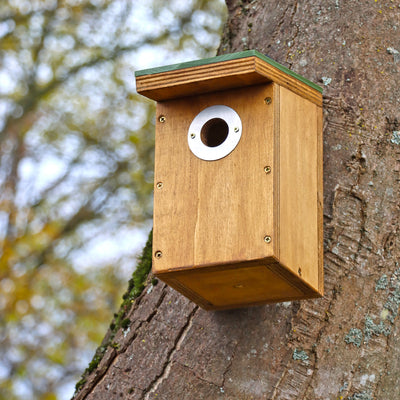
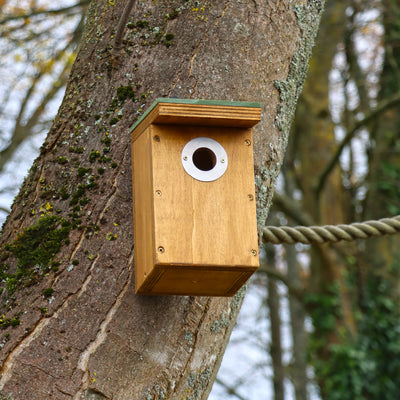
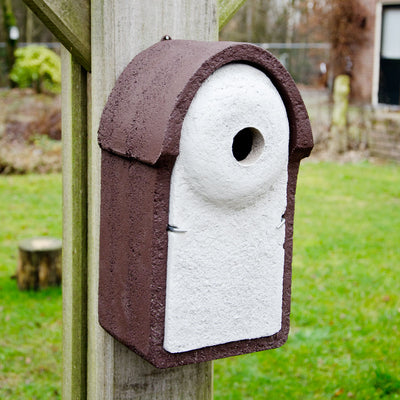
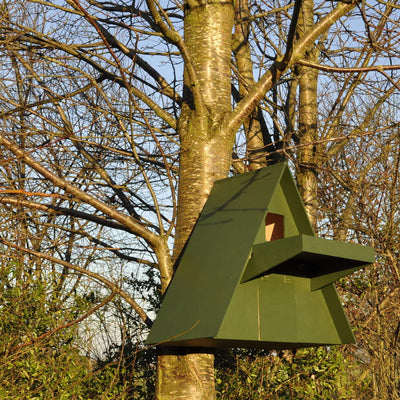
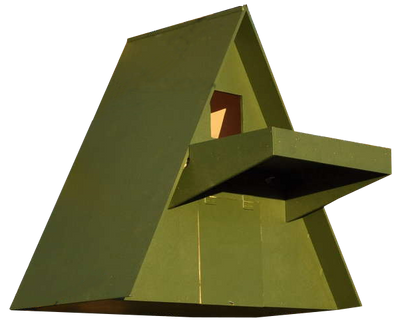
Wildlife World Bird Nest Box Wildlife World Bird Nest Box
Wildlife World Bird Nest Box
Sale price£78.00
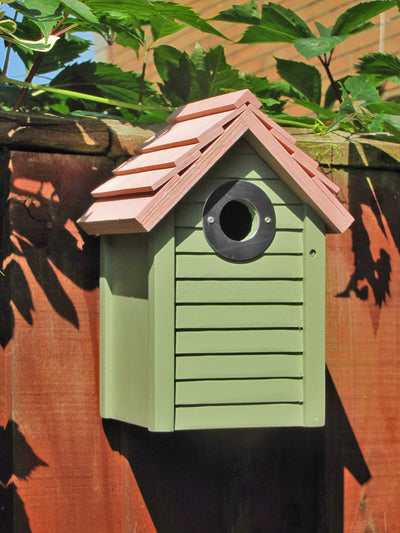
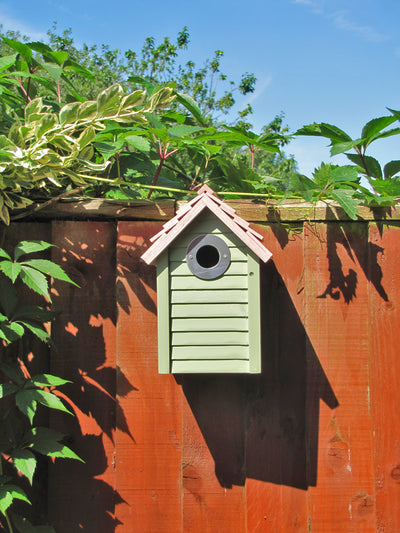
Wildlife World New England Nest Box Wildlife World New England Nest Box
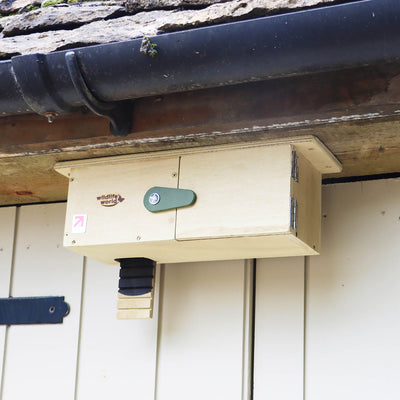
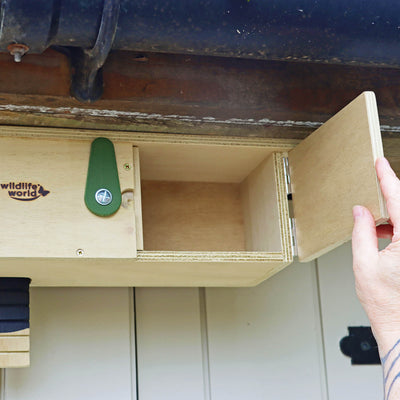
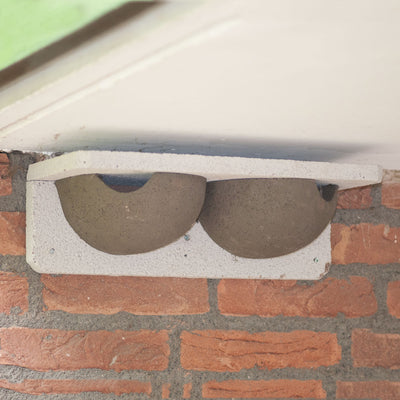
Wildlife World Swift Eaves Box Wildlife World Swift Eaves Box
Wildlife World Swift Eaves Box
Sale price£144.00
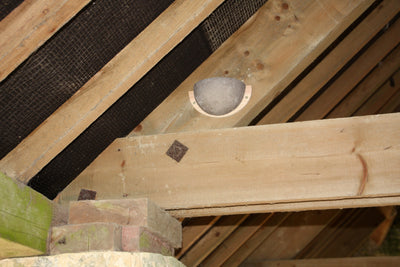
Vivara Pro Madrid Swift Nest Box Vivara Pro Madrid Swift Nest Box
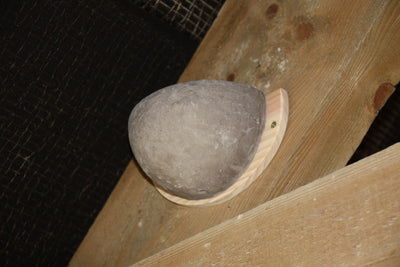
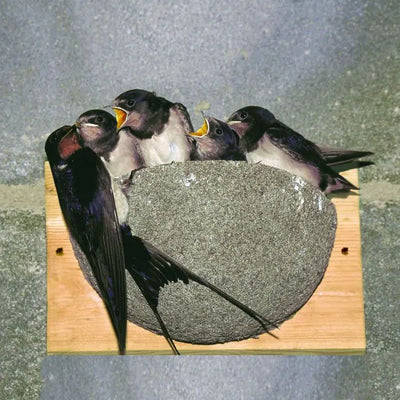
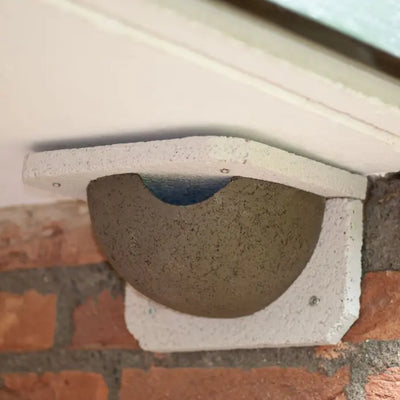
Wildlife World Swallow Nesting Bowl Wildlife World Swallow Nesting Bowl
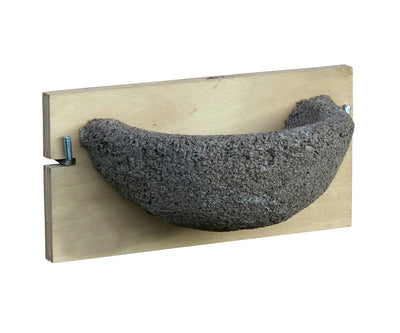
Swallow Nest Swallow Nest
Swallow Nest
Sale price£16.79
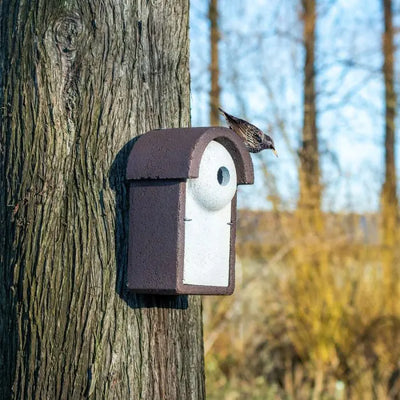
Vivara Pro WoodStone® Starling Box Vivara Pro WoodStone® Starling Box
Vivara Pro External Barn Owl Nest Box Vivara Pro External Barn Owl Nest Box
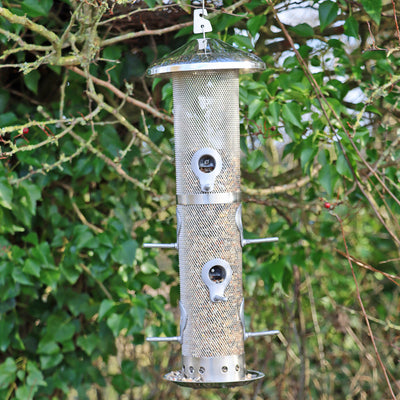
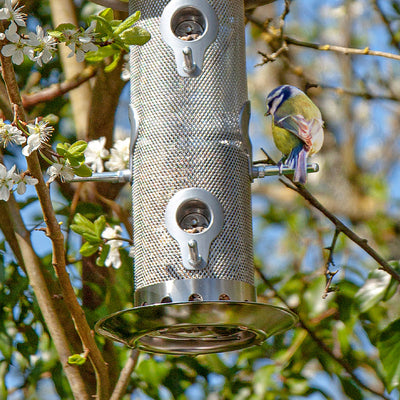
Wildlife World Stainless Steel Large Bird Feeder Wildlife World Stainless Steel Large Bird Feeder
Metal Conqueror Feeder Metal Conqueror Feeder
Metal Conqueror Feeder
Sale price£76.79
Energy Rich No Mess Bird Seed Energy Rich No Mess Bird Seed
Energy Rich No Mess Bird Seed
Sale priceFrom £22.34
Choose options
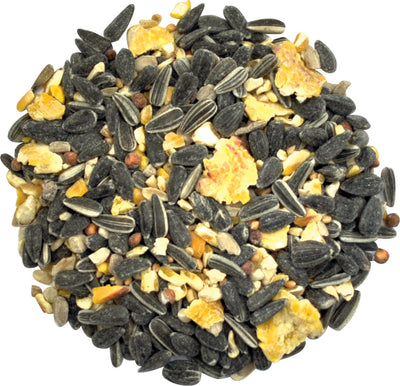
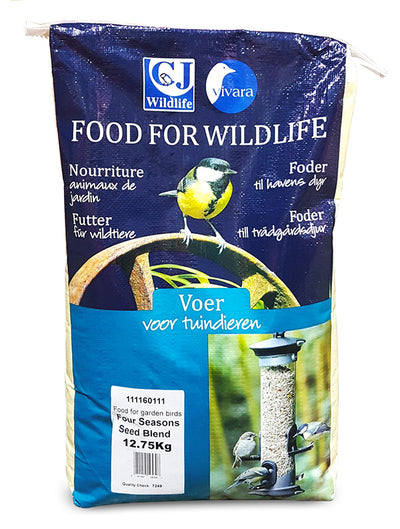
Four Seasons Bird Seed Blend 12.5kg Four Seasons Bird Seed Blend 12.5kg
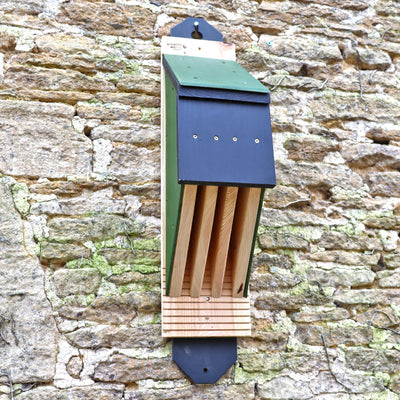
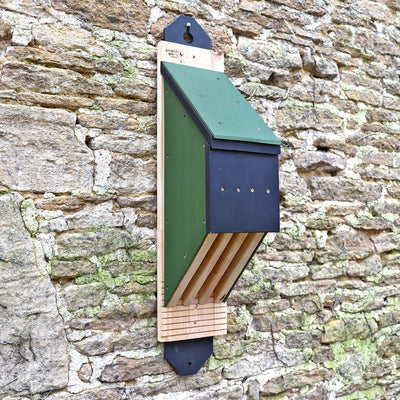
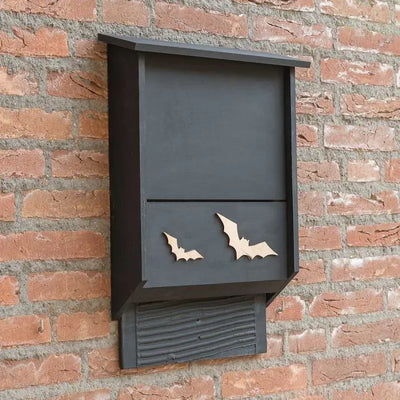
Wildlife World Vincent Multi-Species Bat Box Wildlife World Vincent Multi-Species Bat Box
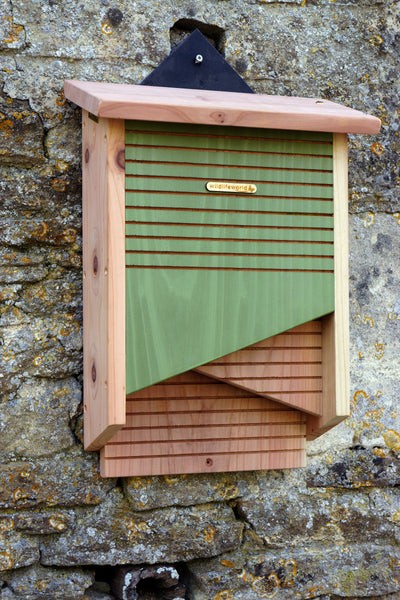
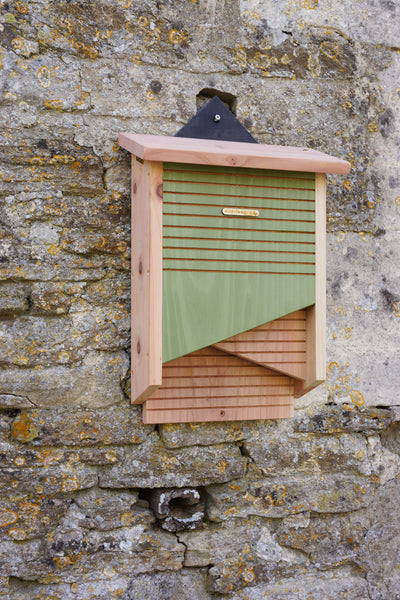
Wildlife World Conservation Bat Box Wildlife World Conservation Bat Box
Vivara Pro Almodovar Medium Wooden Bat Box Vivara Pro Almodovar Medium Wooden Bat Box
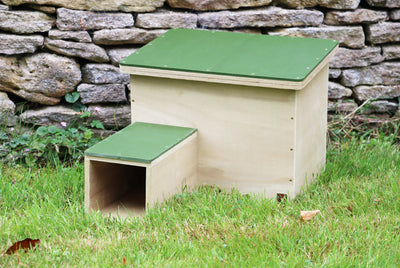
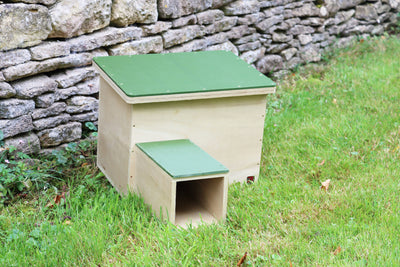
Wildlife World Classic Hedgehog House Wildlife World Classic Hedgehog House
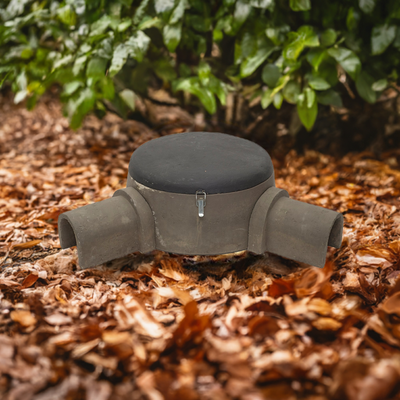
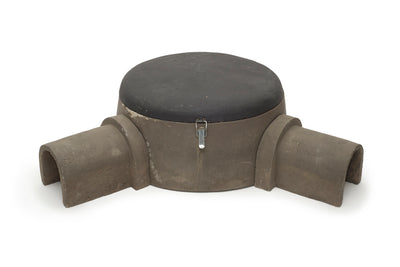
Vivara Pro WoodStone® Hedgehog House Vivara Pro WoodStone® Hedgehog House
Wildlife World Bee Barn Wildlife World Bee Barn
Wildlife World Bee Barn
Sale price£26.34
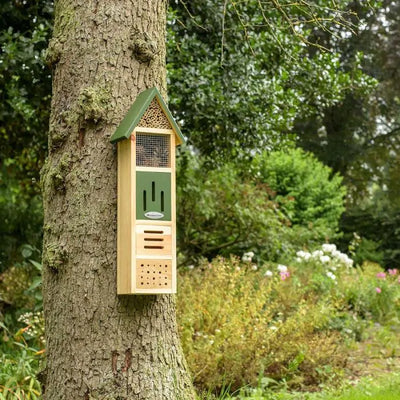
Wildlife World Citizen Science Bee Hotel Wildlife World Citizen Science Bee Hotel
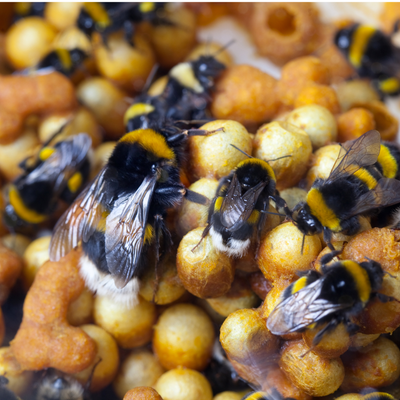
Beepol Live Bumblebee Colony
Sale price£114.00
Wildlife World Insect Study Centre Wildlife World Insect Study Centre
Wildlife World Refugia Board Wildlife World Refugia Board
Wildlife World Refugia Board
Sale price£71.94
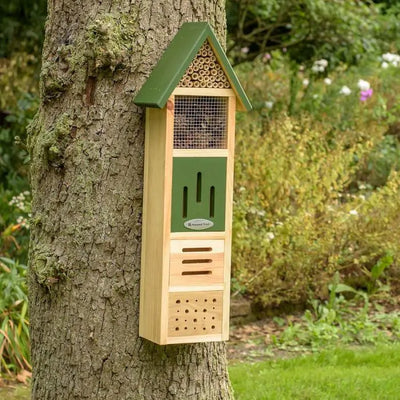
National Trust Insect Tower National Trust Insect Tower
National Trust Insect Tower
Sale price£46.62
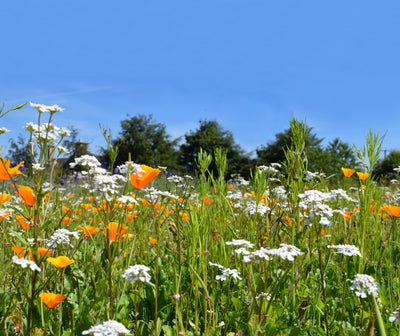
Wildlife Habitats for Biodiversity and Landscape Enhancement

Creating dedicated wildlife habitats is an essential part of modern landscape management, supporting biodiversity while enhancing the visual and ecological value of outdoor spaces. From gardens and paddocks through to estate grounds and commercial developments, incorporating habitat features encourages beneficial species and contributes to a more balanced environment.

This collection includes a range of products designed to provide shelter, nesting opportunities and protection for wildlife. Whether introducing bird boxes, insect habitats or natural refuge areas, these additions help create sustainable ecosystems within both domestic and professional landscapes.

Habitat Features and Ecological Function

Wildlife habitats are designed to replicate natural shelter conditions, offering protection from weather, predators and disturbance. Bird boxes provide safe nesting spaces, while insect hotels support pollinators and beneficial insects such as solitary bees and beetles. These species play an important role in pollination and natural pest regulation, contributing to overall landscape health.

In larger landscaped areas, integrating multiple habitat types creates a more diverse environment. Positioning habitats in sheltered locations, near planting schemes or wildflower areas, increases their effectiveness and encourages regular use by wildlife.

Supporting Pollinators and Beneficial Insects

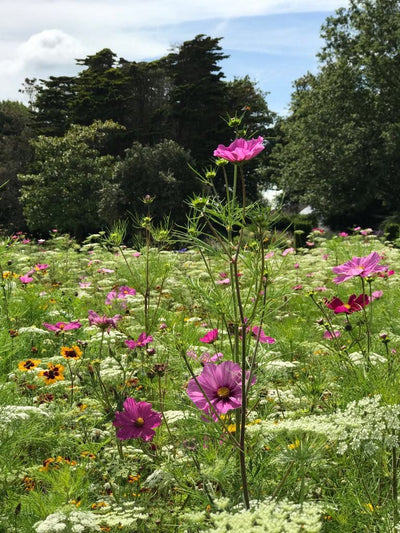
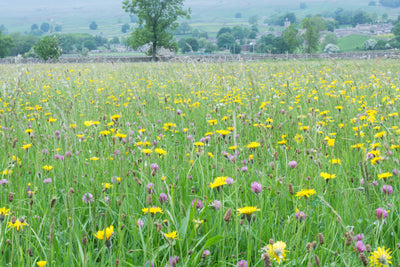
Pollinators are a key part of any healthy ecosystem. Introducing wildlife habitats specifically designed for insects helps support populations that are essential for flowering plants and natural regeneration. When combined with appropriate planting, such as areas established from wildflower seed, these habitats create a continuous source of food and shelter.

This approach is widely used across gardens, estates and commercial landscapes to improve biodiversity while maintaining a structured and well-managed appearance.

Integrating Wildlife Habitats into Landscape Design

Successful habitat installation is not just about placing products, but about integrating them into the wider landscape. Habitats are often positioned alongside plant borders and flower beds, hedgerows or less intensively managed areas to create natural transitions between maintained and ecological spaces.

In practical terms, a landscape may combine established lawn areas maintained with lawn care products alongside biodiversity zones created using wildflower planting and supported by wildlife habitats. Ongoing management may still include weed control in formal areas and moss control where necessary, ensuring the overall space remains functional while still supporting ecological value.

This balanced approach allows landscapes to meet both aesthetic and environmental objectives.

Placement and Installation Considerations

Correct placement is key to ensuring habitats are used effectively. Bird boxes should be positioned at appropriate heights and orientations to avoid prevailing weather, while insect habitats benefit from warm, sheltered locations with good sun exposure.

Fixing methods should be secure but sensitive to the surrounding environment, particularly when installing on trees or existing structures. In paddocks or open areas, habitats may be positioned along boundaries or within sheltered corners to minimise disturbance from regular activity.

.

Wildlife Habitats in Paddocks and Managed Grounds

Paddocks and larger managed grounds offer significant opportunities for biodiversity enhancement through wildlife habitats. While these areas are often focused on practical use, incorporating habitat features along boundaries, hedges or less trafficked areas can introduce valuable ecological benefits without affecting usability.

Bird boxes positioned along tree lines and insect habitats placed near wildflower margins help create a more diverse environment. These additions support pollination, encourage natural insect populations and contribute to a more balanced ecosystem across the wider landscape.

This approach aligns with increasing environmental expectations while maintaining the functional requirements of the space.

Seasonal Considerations for Wildlife Habitats

Wildlife habitats provide year-round benefits, but seasonal awareness improves their effectiveness. Spring is a key period for nesting birds and emerging insects, making it important that habitats are installed and undisturbed ahead of this time. Summer sees peak activity, particularly for pollinators, while autumn is an opportunity to introduce additional habitats in preparation for overwintering species.

During winter, habitats offer critical shelter from harsh conditions, supporting survival rates for many species. Maintenance at this time should be minimal, with cleaning or repositioning carried out outside of active nesting periods.

By considering seasonal behaviour, habitats can be managed in a way that maximises their ecological value while maintaining a well-presented landscape.

Incorporating wildlife habitats into a landscape is a practical and effective way to enhance biodiversity without compromising on appearance or usability. With the right placement and consideration, these features support a thriving ecosystem across gardens, paddocks and wider managed outdoor spaces.

Recently viewed