Bird Boxes and Biodiversity in Managed Landscapes
Bird boxes play a valuable role in supporting biodiversity across gardens, estates and wider managed outdoor spaces. In both domestic and professional landscaping settings, the installation of a well-designed bird box provides safe nesting and roosting opportunities where natural habitats may be limited. Products within this collection include durable nest boxes designed for outdoor use, helping to encourage a diverse bird population from while enhancing the visual and ecological quality of the landscape.
For landscapers and grounds professionals, bird boxes are not simply decorative additions. They form part of a wider ecological strategy that promotes natural balance within planting schemes. Encouraging birds into a landscape supports natural processes such as insect control, seed dispersal and overall habitat stability. This is particularly valuable in newly established schemes where ecological infrastructure is still developing, aligning with principles promoted by wildlife and biodiversity organisations.
Habitat Creation and Wildlife Support
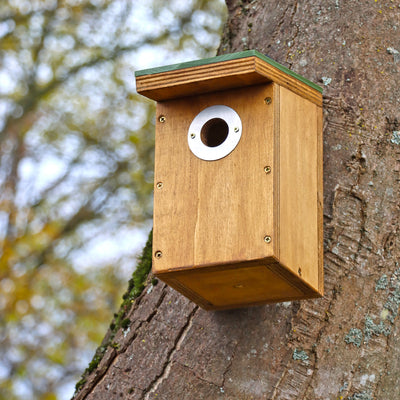
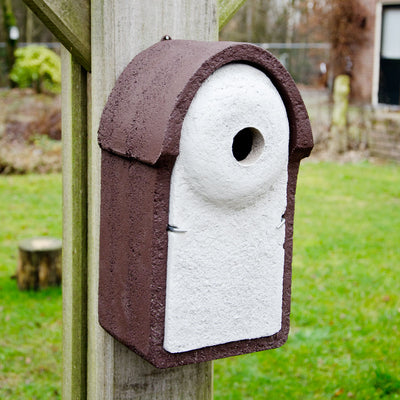
Modern bird boxes are designed to replicate natural nesting cavities, offering protection from predators and harsh weather conditions. Materials such as FSC-certified timber, recycled plastics and composite WoodStone® blends are commonly used across the range. These materials are selected for their durability, insulation properties and resistance to moisture, ensuring a stable internal environment during the nesting season, in line with sustainable landscaping practices.
What Size Bird Box Do I Need?
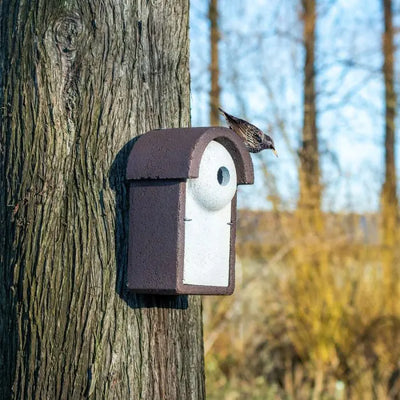
The internal design of a bird box is equally important. Entrance hole size, depth and ventilation all influence which species will use the box. Smaller entrance holes are suitable for species such as blue tits and great tits, while larger openings accommodate species like starlings. This level of specification allows landscape professionals to tailor habitat provision to specific site goals, whether that is increasing songbird activity or supporting declining species
Nest Box Design and Materials
The choice of material has a direct impact on how long a nest box will last. Timber options offer a natural aesthetic look suited to traditional landscapes, while composite materials provide enhanced durability and thermal stability. For example, wood-concrete blends used in some systems help maintain a consistent internal temperature, which is particularly beneficial during breeding periods when temperature fluctuations can affect chick survival.
In exposed or high-traffic environments such as commercial grounds or public-facing landscapes, robust construction is essential. Reinforced entrance holes, predator guards and weather-resistant roofing all contribute to long-term performance. These features reduce maintenance requirements and ensure the boxes remain functional year after year.
How to Install your Bird Box, Installation, Positioning and Practical Considerations
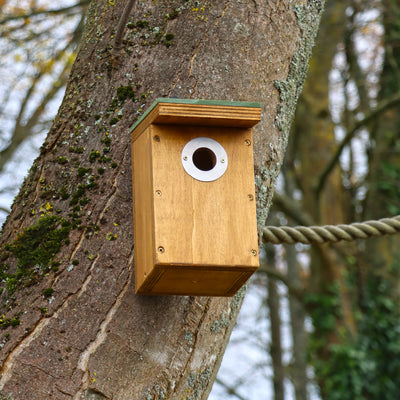
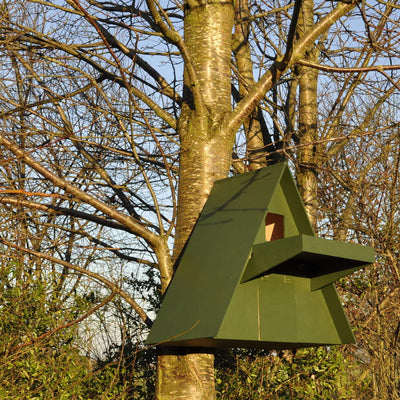
Correct installation is critical to the success of any bird box. Positioning should take into account height, orientation and surrounding activity. In most cases, boxes should be installed at a suitable height to minimise disturbance and reduce predator access, with the entrance facing away from prevailing wind and direct sunlight. Sheltered locations near trees or hedgerows tend to provide the best conditions for occupancy, following best practice guidance. For guidance follow our how to optimise birdbox and bat installation guide and videos available on our product pages
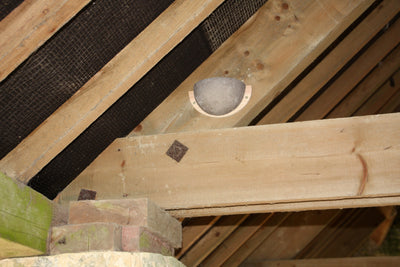
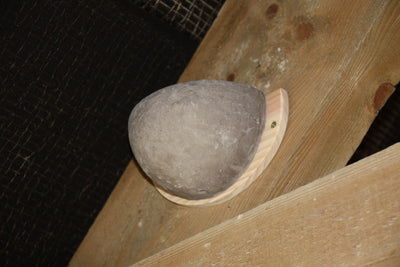
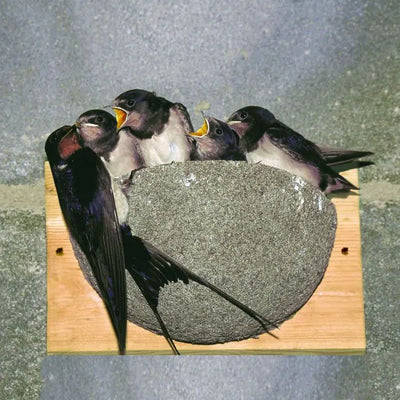
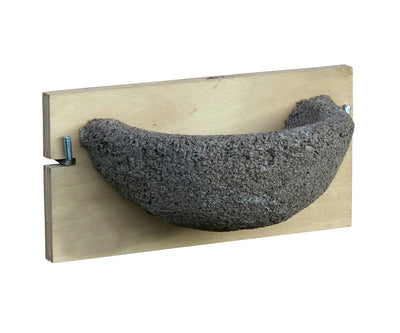
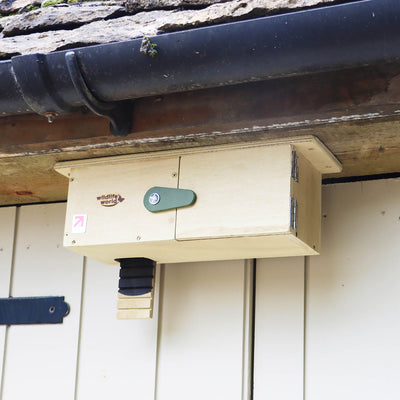
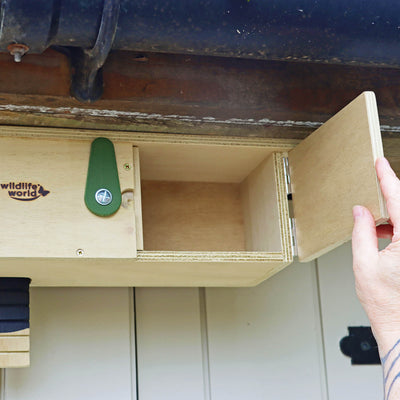
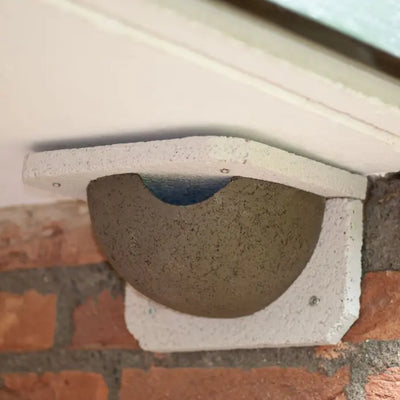
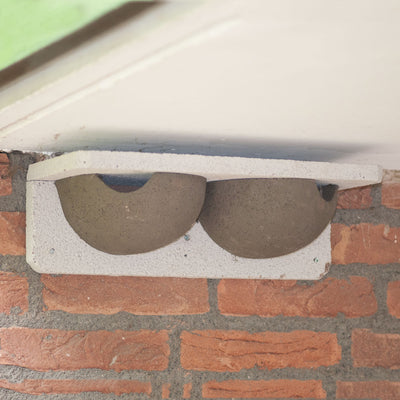
Fixing methods will vary depending on the substrate. Tree-mounted boxes should be secured using appropriate fixings that minimise damage, while building-mounted options such as swift boxes can be integrated into structures during construction or retrofit projects. In larger landscape schemes, spacing multiple boxes across a site helps reduce competition and encourages greater bird nesting activity.
Integrating Bird Boxes into Landscape Projects
Bird boxes are often most effective when considered and integrate into a wider landscape and habitat plan rather than as standalone additions. In professional landscaping projects, they are often incorporated alongside planting schemes, hedgerows and wildflower areas to create a balanced and functional ecosystem.
A typical approach might involve establishing vegetation using quality grass seed and habitat-rich planting, followed by enhancing biodiversity through wildflower seed mixes that attract insects. These insect populations provide a vital food source for birds, increasing the likelihood of nesting success. This integrated approach reflects how ecological enhancements are typically delivered across estates, commercial developments and high-end domestic gardens. The result is a landscape that not only looks well maintained but also functions effectively as a living environment, supporting wider ecosystem services.
How the Professionals Approach Bird Boxes in Landscaping: Insights and Boundary Planning
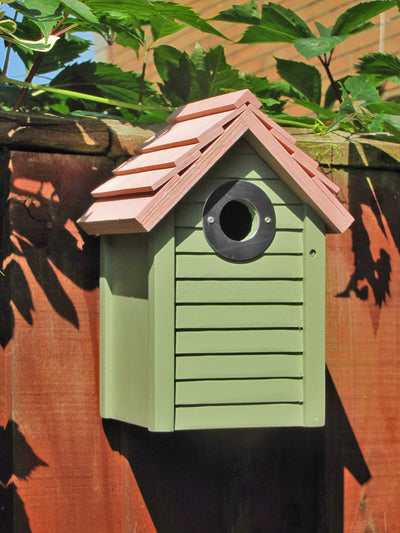
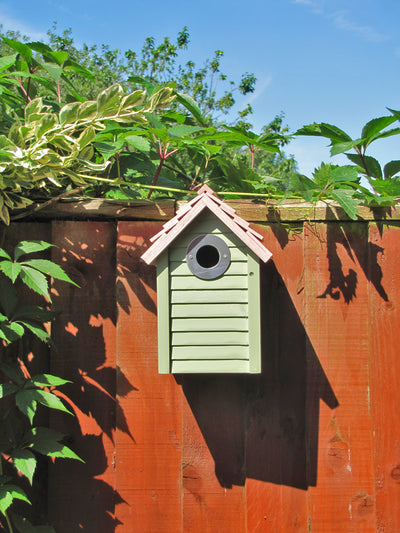
From a design perspective, bird boxes contribute to the overall character and usability of a space. They are often positioned along boundaries, within tree lines or adjacent to planting beds where they complement existing features. In larger projects, they may be used to reinforce ecological corridors, linking different areas of habitat across a site, a concept widely used in landscape ecology.
Professional landscapers will also consider long-term maintenance access when specifying locations. Boxes should be reachable for seasonal cleaning and inspection without disrupting surrounding planting. This practical consideration ensures that the habitat remains viable over time and continues to support wildlife effectively as well as keeping them easier to maintain.
Seasonal Considerations for Bird Box Use - When Should I Install a Bird Box
While bird boxes can be installed throughout the year, timing can influence how quickly they are occupied. Autumn and winter are often ideal for installation, allowing birds to locate and use boxes for shelter before the breeding season begins. By spring, many species will already be familiar with available nesting sites, increasing the likelihood of use.
During the breeding season, minimal disturbance is essential. Outside of this period, boxes should be cleaned to remove old nesting material and maintain hygiene. This simple maintenance step helps reduce parasites and ensures the box remains suitable for future use.
Across all seasons, bird boxes provide ongoing value. In colder months they offer shelter, while in warmer periods they support breeding activity. This year-round functionality makes them a practical and worthwhile addition to any managed landscape.
For landscapers, estate managers and serious gardeners, bird boxes represent a straightforward yet highly effective way to enhance biodiversity. When selected carefully and integrated into a wider landscape strategy, they contribute to healthier, more balanced outdoor spaces that support both wildlife and long-term landscape performance.