Tree Planting and Establishment in Professional Landscaping
Successful tree planting forms the foundation of long-term landscape structure, whether within managed outdoor environments, estate grounds, high-end private gardens or a domestic garden. A well-planned planting approach not only improves visual impact but also supports long-term tree health, structural stability and adds to a sustainable landscape design.
Tree establishment requires careful consideration of root development, soil structure and early-stage plant nutrition. When correctly specified and chosen, planting accessories such as guards, stakes, shelters and protection systems create the right conditions for young trees to establish efficiently. This helps reduce stress during establishment and supports strong anchorage as the tree develops.
Within a professional landscaping programme, tree planting sits alongside complementary practices such as soil preparation and appropriate irrigation strategies. The aim is to create an environment where root systems can expand effectively, improving nutrient uptake and ensuring consistent growth and long term healthy growth of your plants.
Soil Conditions and Root Development
The success of any tree planting project is closely linked to the condition of the soil and its ability to support root development. Soil structure, compaction levels and organic matter all play a key role in determining how effectively roots can establish.
Improving Soil Structure and Nutrient Availability
Healthy soil should support both aeration and moisture retention, allowing roots to access oxygen, water and essential nutrients such as nitrogen, phosphorus and potassium. These macronutrients are vital for early growth stages, supporting root formation, stem development and overall plant vigour.
In many planting scenarios targeted soil improvement techniques can help enhance the planting environment. This may include loosening compacted soils or incorporating organic matter to improve drainage and nutrient balance in the form of fertilisers and mycorrhizal products addition which can reduce planting stresses. These practices contribute to improved soil fertility, increased planting success rates and better long-term tree performance.
For landscapers and grounds maintenance professionals, ensuring the right balance between drainage and moisture retention is critical. Excessively compacted soils can restrict root expansion, while overly loose soils may fail to provide adequate support for young trees. Achieving the correct soil profile is therefore a key factor in successful establishment.
Tree Protection and Structural Support
Once a tree is planted, protection becomes essential to safeguard it from environmental stress, wildlife and mechanical damage. Protective systems also help stabilise the tree during the early stages of growth, allowing roots to anchor securely into the surrounding soil.
Tree Guards, Stakes and Protection Systems
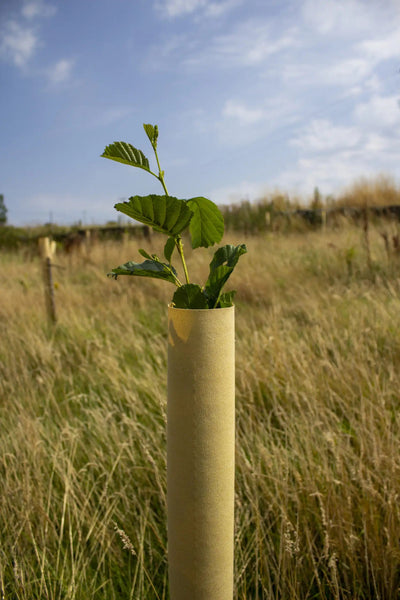
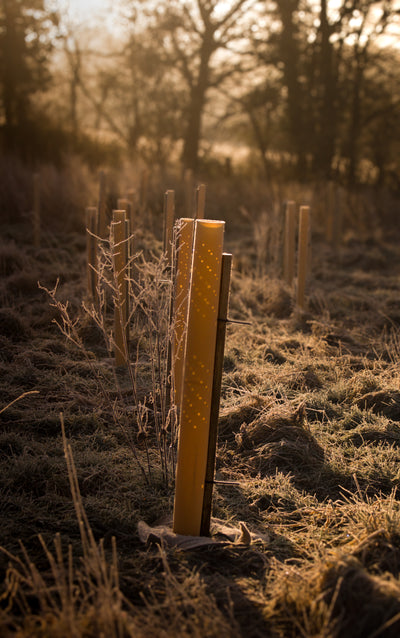
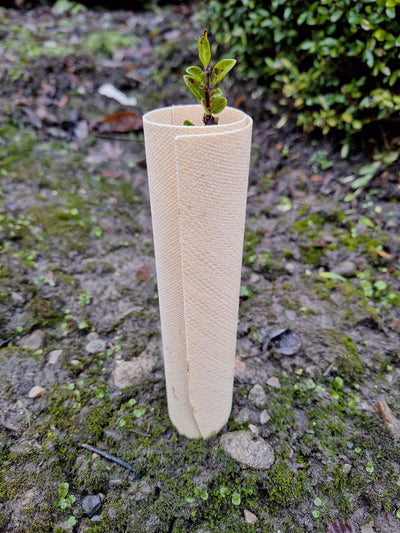
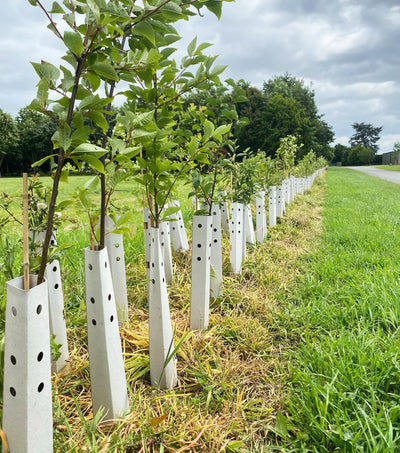
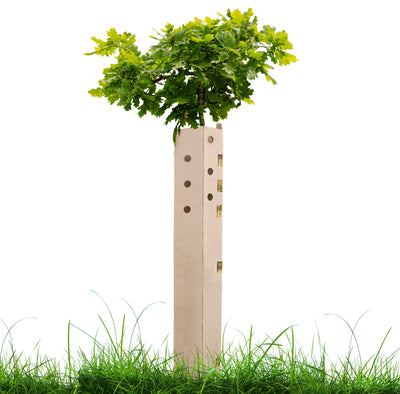
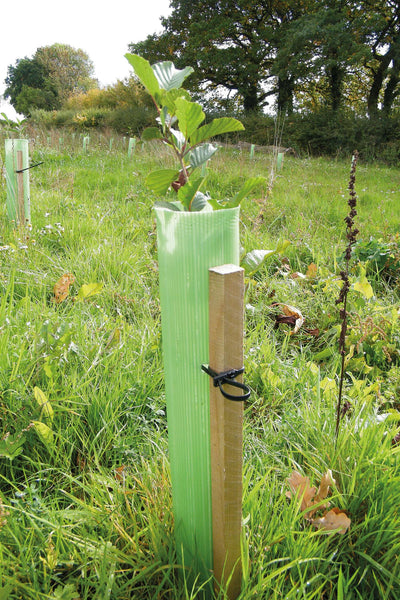
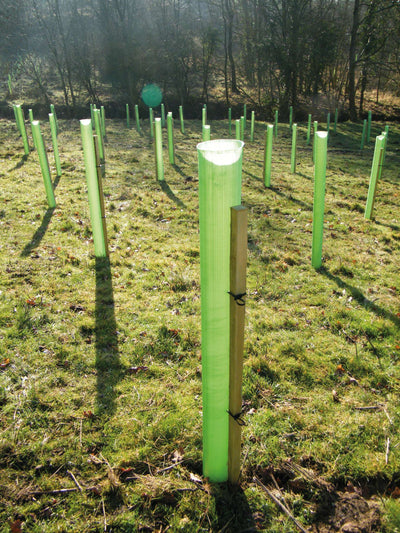
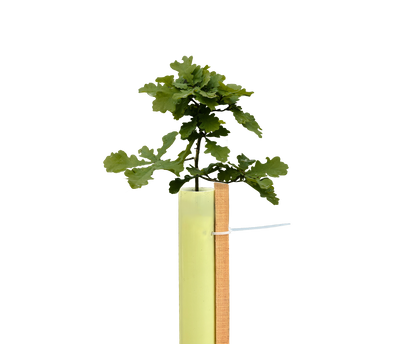
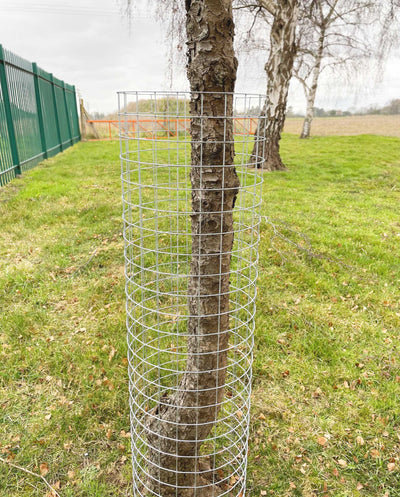
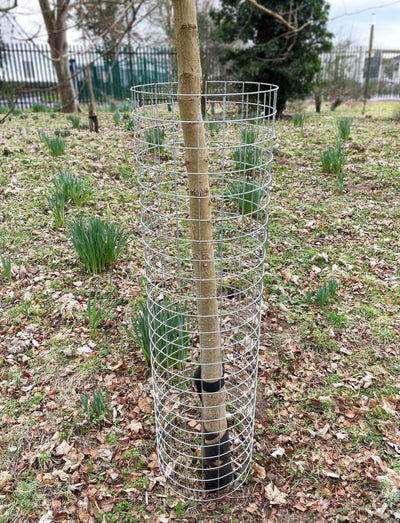
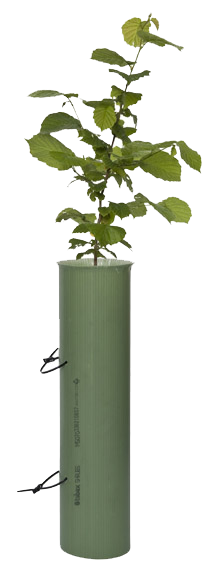
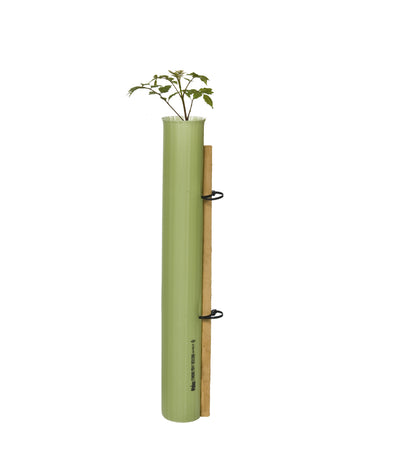
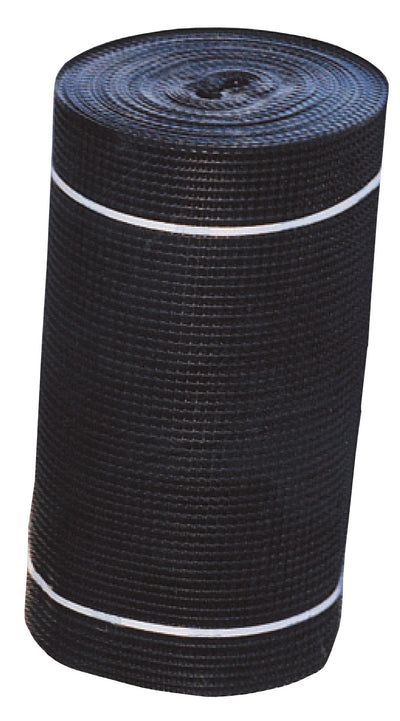
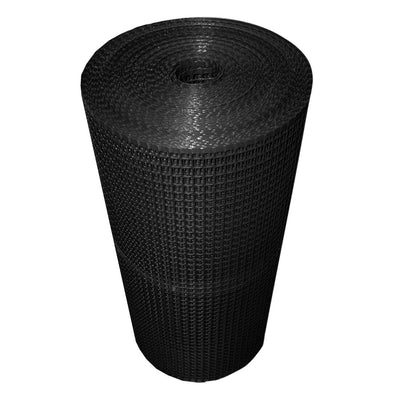
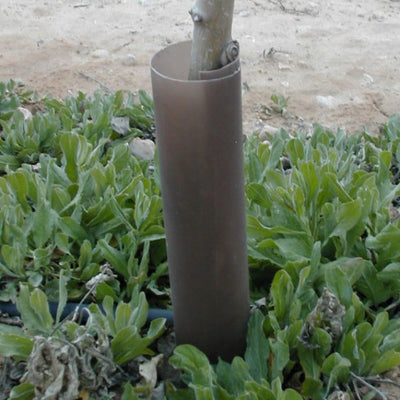
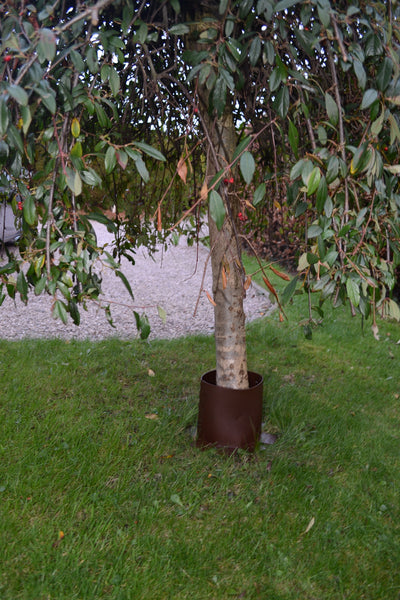
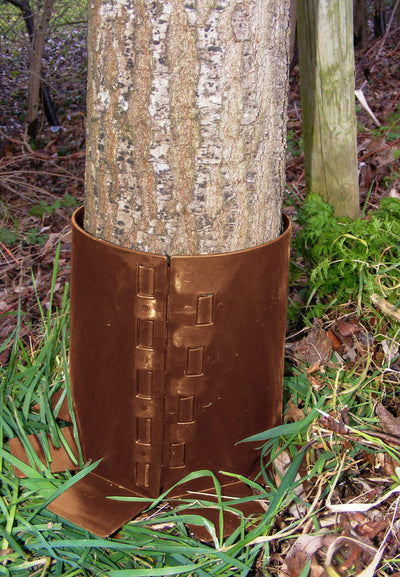
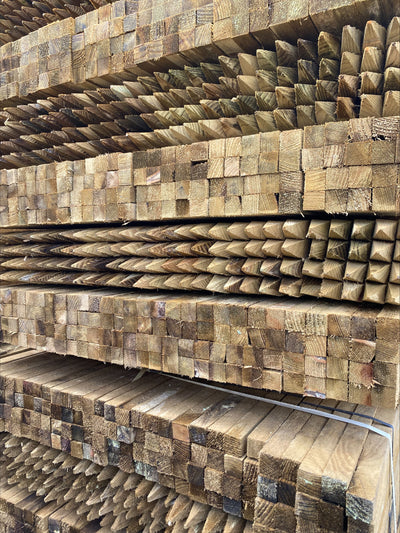
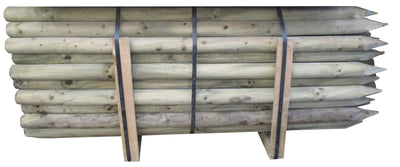
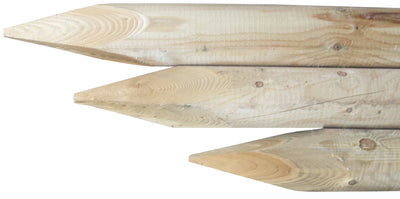
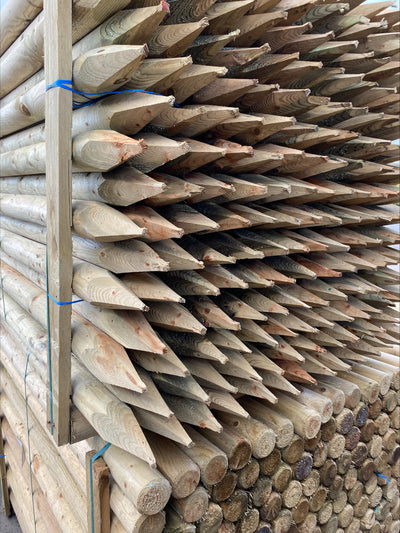
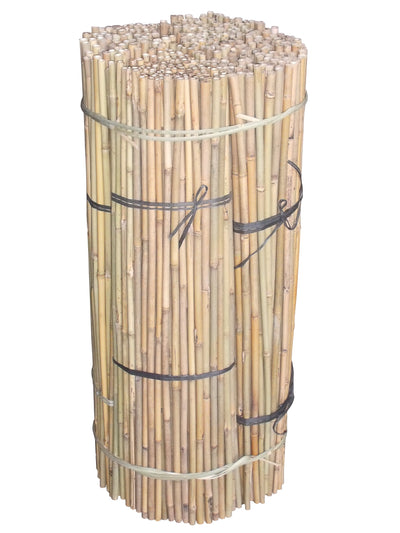
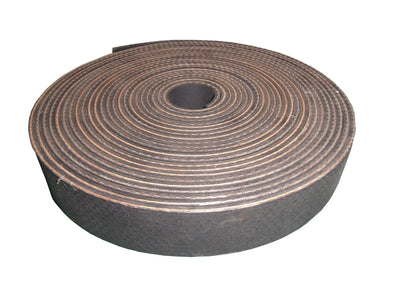
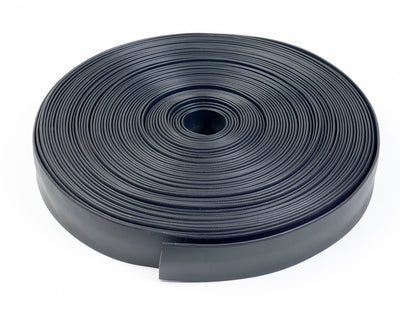
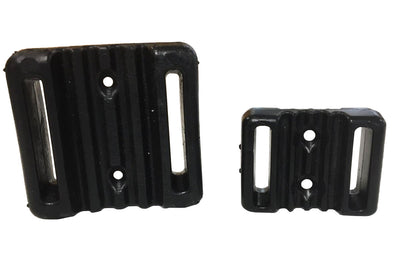
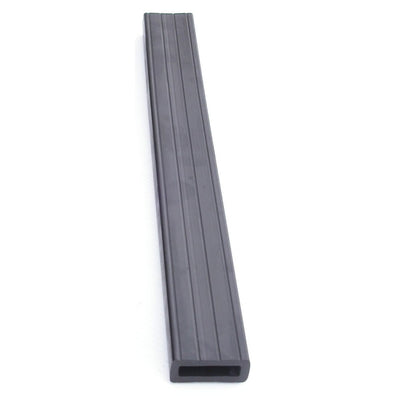
Products within the tree planting range typically include guards, shelters and staking systems designed to protect young trees while they establish. These systems help prevent damage from animals and accidental damage, which can potentially disrupt early growth and affect long-term form and shape.
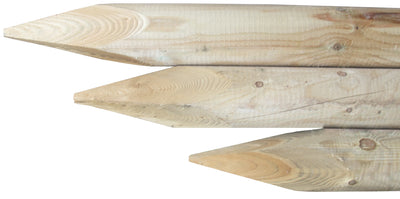
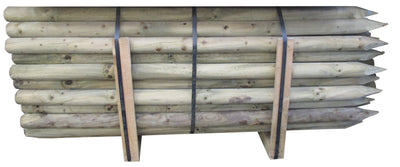
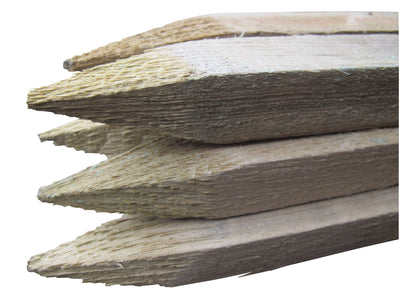
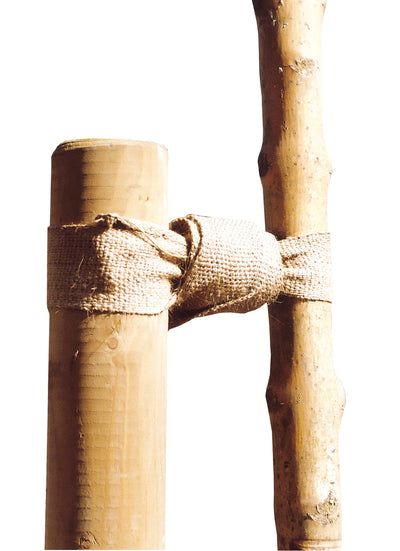
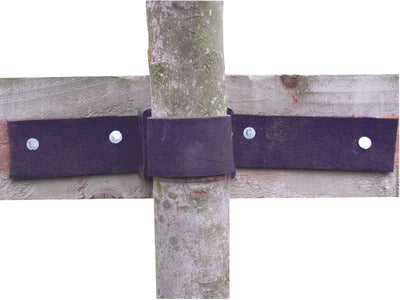
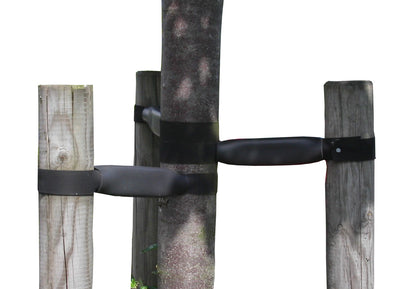
Staking systems also provide structural support, helping to keep the tree upright during periods of wind exposure. This is particularly important in open or exposed planting locations where movement could damage developing roots. Correct installation ensures that the tree can move slightly, which helps to encourage strong trunk development without compromising stability.
Professional installers often ensure that stakes and ties are correctly aligned to avoid restricting natural growth. Over-restriction can limit trunk movement and impact structural development, so it is important that support systems are specified and installed with care.
Integrating Tree Planting into a Landscape Programme
Tree planting should always be considered as part of a wider landscape maintenance or installation programme. It is rarely an isolated activity and works best when combined with other key horticultural practices to ensure long-term success.
Once trees are planted, the surrounding area may benefit from ongoing maintenance using grass seed to establish or repair surrounding turf areas.
Having an integrated approach ensures that tree planting is not treated in isolation but forms part of a cohesive system of landscape management. Each stage contributes to the overall health and presentation of the outdoor space, from initial soil preparation through to long-term maintenance.
Seasonal Considerations for Tree Planting
Tree planting can be carried out across much of the year, provided ground conditions are suitable. However, seasonal timing can influence establishment success and should be considered carefully within any planting programme.
Spring and Early Season Establishment
Spring planting benefits from rising soil temperatures and increased biological activity, which can support early root growth and nutrient uptake. Adequate moisture levels during this period are essential to prevent stress as the tree begins active growth.
Summer Stress Management
During warmer months, newly planted trees may experience increased moisture demand. Maintaining consistent soil moisture is important to support root development and prevent transplant shock. In some cases, irrigation support may be required to maintain optimal growing conditions.
Autumn and Root Strengthening
Autumn is often considered an ideal time for tree planting, as soil remains warm while above-ground growth slows. This allows the tree to focus on root development, strengthening its foundation before winter dormancy.
Understanding these seasonal dynamics will allow the gardener, landscapers and property managers to plan planting programmes more effectively, ensuring that trees are given the best possible start regardless of the time of year.
Professional Applications of Trees in Landscaping Management
Tree planting plays a vital role in shaping the structure and character of managed outdoor environments. From defining boundaries in landscaped areas to creating shelterbelts in open grounds, trees contribute both aesthetic and functional value.
In professional landscaping, tree planting is often used to establish visual hierarchy, provide privacy and enhance biodiversity. Trees can also be used to soften hard landscaping features, creating a more natural transition between built and planted areas.
For amenity, estates and grounds maintenance teams, tree planting is a long-term investment in the landscape. Proper planning, combined with high-quality planting accessories and ongoing maintenance, ensures that trees mature into strong, healthy features that enhance the overall environment.
By integrating tree planting with wider practices such as turf management, soil improvement and landscape maintenance, professionals can create cohesive, resilient and visually appealing outdoor spaces that stand the test of time.