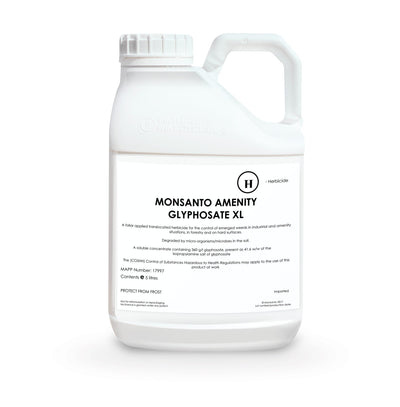
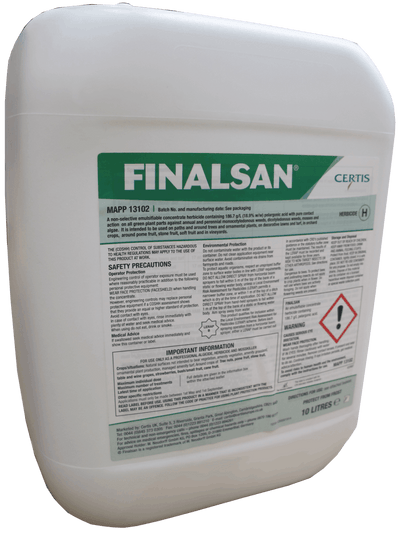
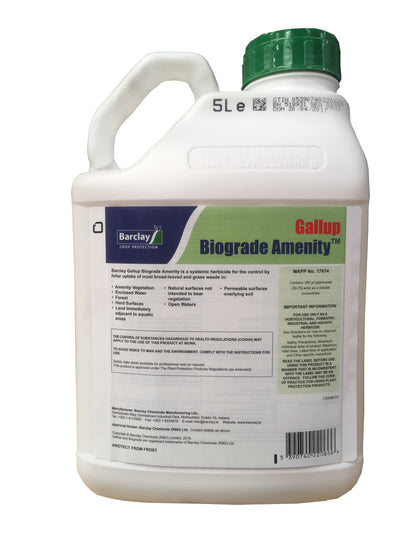
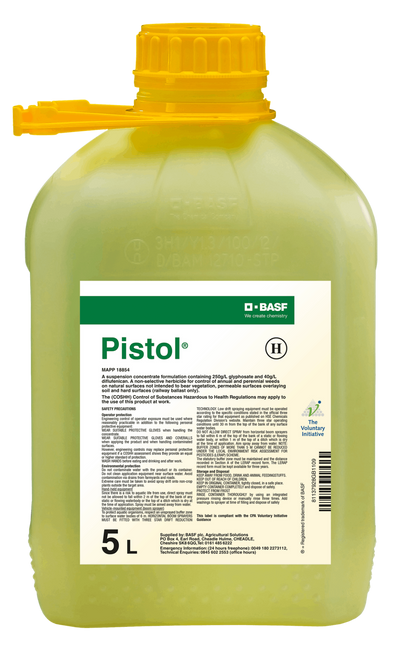
Total Weed Killers & Non-Selective Herbicides
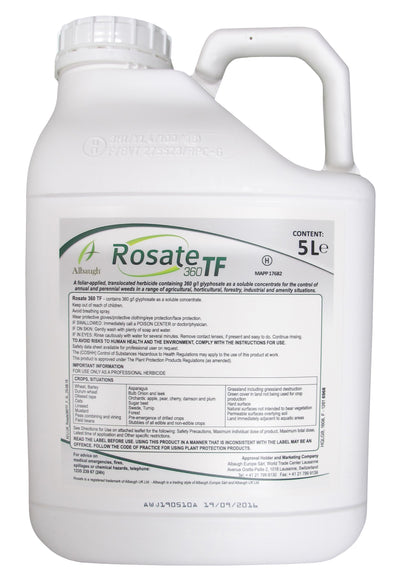
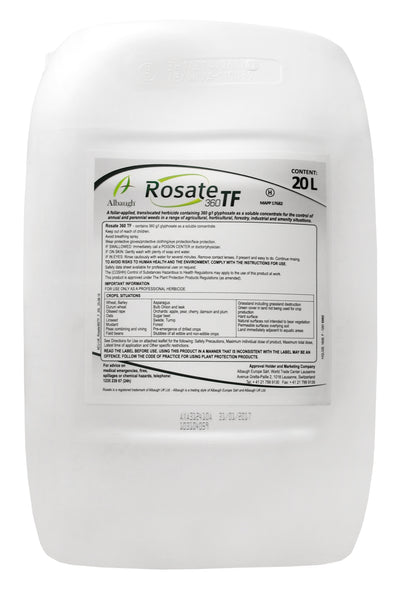
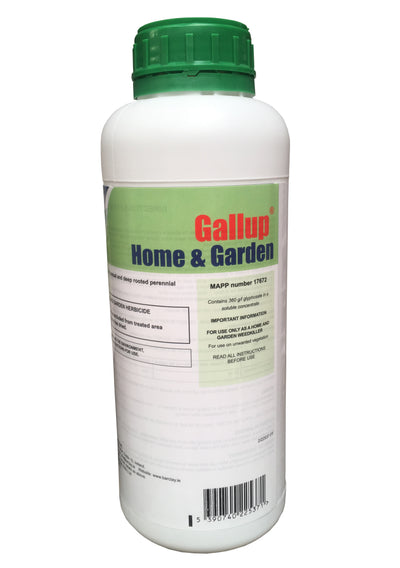
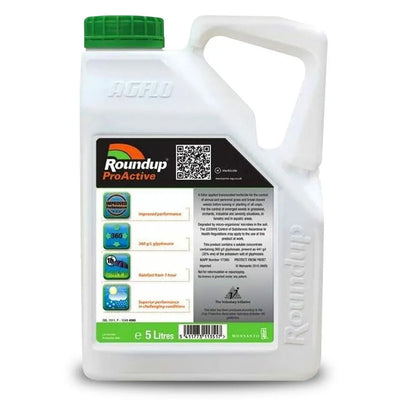
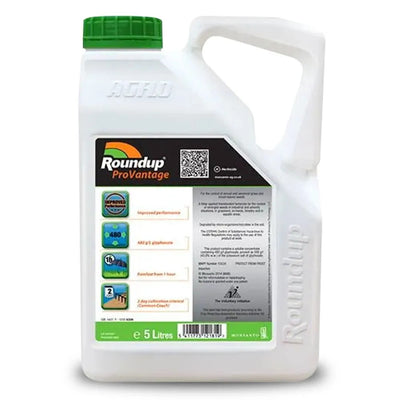
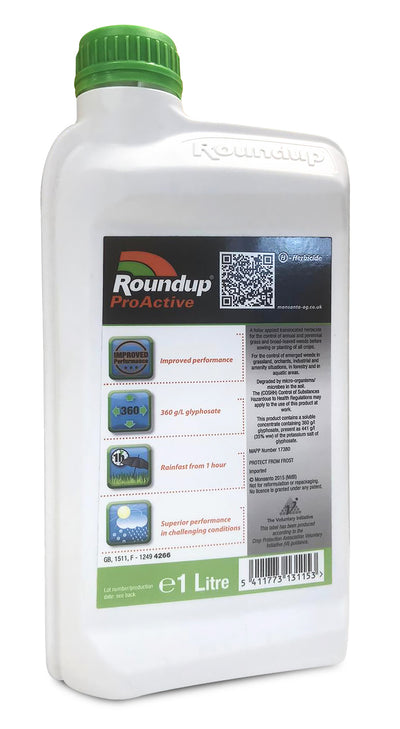
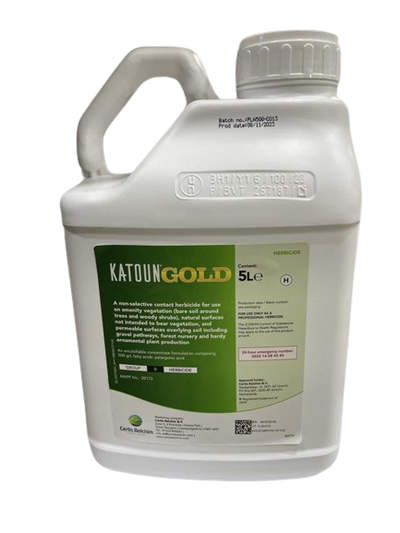
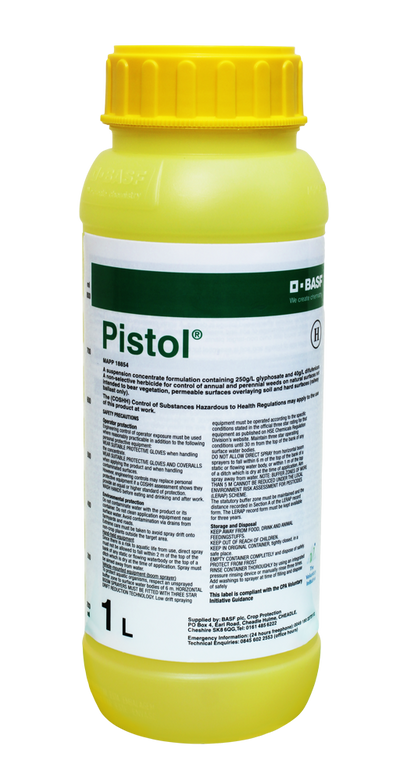
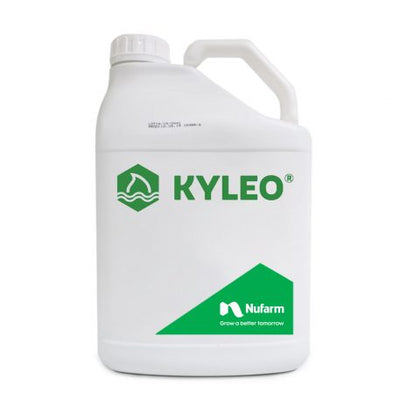
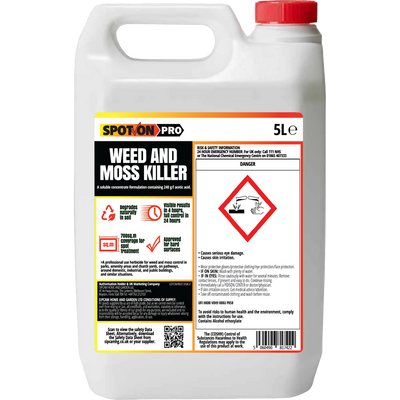
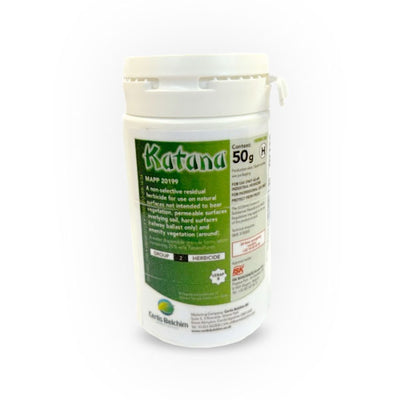
Total weed killers (also known as non-selective herbicides) are the primary solution for complete vegetation control on hard surfaces, gravel driveways, and industrial sites. Unlike selective herbicides that target specific weeds in grass, a total weed killer is designed to eliminate all plant life it contacts. This makes them indispensable for maintaining "bare ground" on gravel areas, clearing weeds from pathways, for invasive plant control or preparing heavily infested paddocks for full restoration and reseeding.
In a professional land management context, these products are often referred to as industrial weed control solutions. They provide a clean slate for further landscaping, allowing for the successful establishment of new grass seed or planting schemes by removing competition for light, water, and soil nutrients.
Systemic Action vs. Contact Control
To choose the right product, it is essential to understand the delivery mechanism:
- Systemic Herbicides (e.g., Glyphosate): These undergo translocation, where the active ingredient moves through the plant's vascular system down to the roots. This ensures the entire plant—including deep perennial root structures—is destroyed, preventing regrowth.
- Contact Herbicides (e.g., Pelargonic Acid): These act rapidly by destroying the leaf tissue they touch. While excellent for annual weeds, they may require follow-up treatments for established perennials.
Professional Application Equipment & Accuracy
Achieving a "total kill" while protecting nearby desirable plants depends on the precision of your weed killer application equipment. For large-scale paddock clearance, boom sprayers or towed equipment are preferred. For targeted treatment on pathways or fence lines, a professional knapsack sprayer with a pressure regulator is recommended to maintain a consistent droplet size.
Using the correct nozzle—such as a shielded nozzle or an air-induction nozzle—is a key part of Best Practice, as it significantly reduces "spray drift." Drift is the leading cause of accidental damage to non-target hedging, flowers, or lawns nearby.
Optimising Performance: Spray Enhancers & Water Quality
Professional contractors often use spray enhancers to maximise the efficacy of their herbicides, especially in challenging environments:
- Marker Dyes: Temporary blue spray indicator dyes (i.e Eye SPI Spray Pattern Indicator) are essential for identifying treated areas. This prevents "double-spraying" (which wastes product) and ensures no patches are missed.
- Water Conditioners & pH Fixers: Many total weed killers, particularly those containing glyphosate, can be deactivated by "hard" water containing high levels of calcium or magnesium. Using pH fixers or water conditioners (i.e Companion Gold Adjuvant also an adjuvant as below) neutralises these minerals, ensuring the active ingredient remains fully potent for nutrient uptake.
- Adjuvants & Stickers: These improve the "rainfastness" of the liquid, helping it stick to waxy leaf surfaces and reducing the time needed for the chemical to be absorbed.
Safety and Protection (PPE)
The use of professional weed killers carries a responsibility to protect both the operator and the environment. Assessing and controlling risks by conducting a COSHH assessment and adhering to the instructions on the MAPP-approved label is mandatory.
Essential Personal Protective Equipment (PPE) typically includes:
- Chemical-resistant gloves (Nitrile).
- Coveralls (Type 5/6 protection).
- Face shields or safety goggles to protect against splashes during mixing.
- Waterproof boots, such as wellington boots that are easy to decontaminate after use.
By maintaining good control measures including the use of PPE, contractors and owners ensure that vegetation management is carried out safely and legally under UK pesticide regulations.
Seasonal Timing for Maximum Efficacy
The effectiveness of a non-selective herbicide is closely tied to the plant's metabolic activity.
- Spring & Early Summer: This is the peak window for application. Weeds must be in an active growth stage with sufficient leaf area to absorb the chemical.
- Autumn: Useful for final clearance of tough woody weeds or preparing land for winter dormancy.
- Winter: Generally avoided for systemic products, as reduced plant metabolism slows down the translocation process.
Integrated Turf & Landscape Health
Total weed control is rarely a standalone task. Once the ground is cleared, the focus shifts to restoration, if not reseeding or replanting. This often involves using soil conditioners to repair the rootzone, followed by sowing high-quality grass seed. Ongoing maintenance may include moss control and the use of calibrated lawn spreaders to apply lawn care products that keep the newly cleared areas from being overtaken by weeds once again.