Weed Suppressant Membranes and Ground Cover Solutions
Weed suppressant membranes are a critical engineering component in modern landscape management and design. They provide a physical barrier against invasive growth, reducing the need for intensive chemical weed control while maintaining the structural integrity of the soil. Whether specified for high end residential gardens, commercial groundworks, expansive estate management, or simply a garden border or pathway professional-grade landscape fabrics are essential for achieving a low-maintenance, high-specification finish.
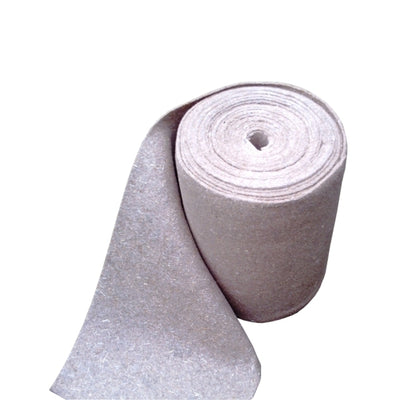
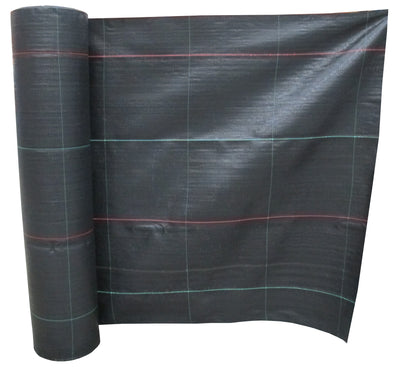
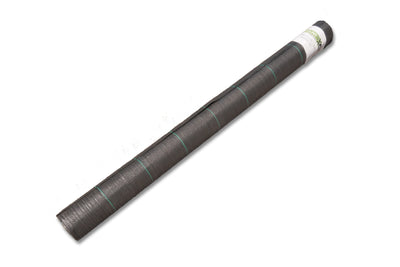
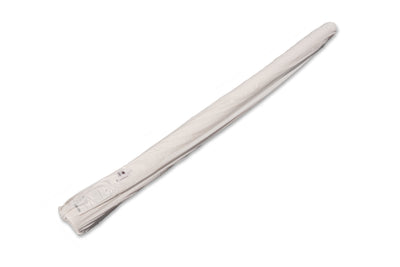
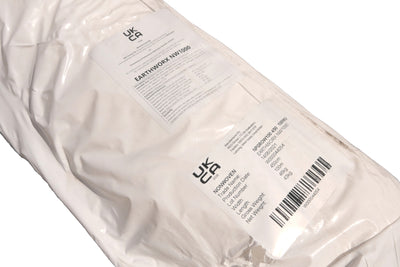
The Amenity Choice range includes high-tensile woven fabrics, thermally bonded non-woven geotextiles, and eco-friendly biodegradable mulch mats. These solutions are designed to stabilise substrates beneath pathways, driveways, and ornamental borders, ensuring clean transitions and long-term durability.
Promoting Soil Health: Permeability and Porosity - Breathability and Natural Drainage
A common misconception is that a weed barrier "seals" the ground. In professional landscaping, the most effective membranes are highly permeable, acting as a breathable skin for the soil.
- Hydraulic Conductivity: Quality polypropylene and geotextile membranes allow for the free passage of water and air, preventing "puddling" and ensuring the soil below stays healthy and aerated.
- Moisture Regulation: By allowing water to move naturally through the fabric, these materials help stabilise moisture levels, protecting plant roots from drying out during the summer heat.
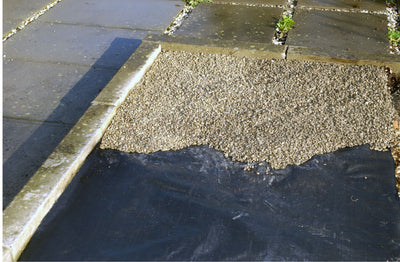
- Structural Separation: Beyond weed suppression, these fabrics act as a "separation layer." This prevents expensive decorative aggregates - such as ornamental bark, wood chip & mulch and aggregates like slate from sinking into the subsoil, maintaining a clean finish for years.
Material Selection: Woven vs. Non-Woven Geotextiles
Choosing the correct material depends on the mechanical stress and drainage requirements of your project:
Woven Polypropylene (Heavy-Duty)
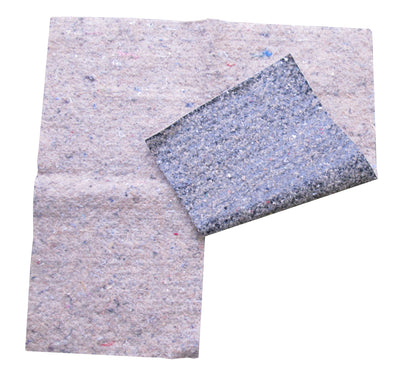
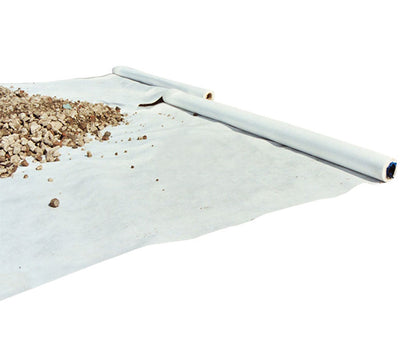
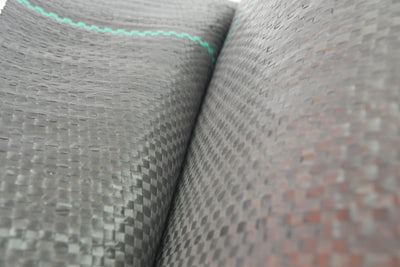
Engineered for maximum tensile strength, woven fabrics are the industry standard for load-bearing areas. They are the superior choice for under gravel driveways, pathways, and patios where they prevent the surface from "rutting" or shifting under the weight of traffic.
Non-Woven / Thermally Bonded (Planting & Borders)
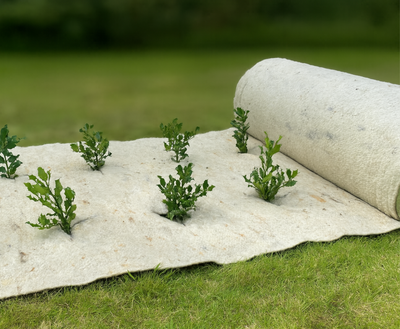
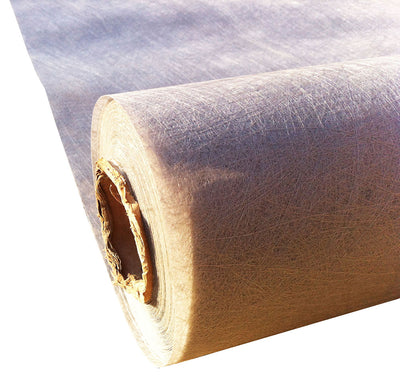
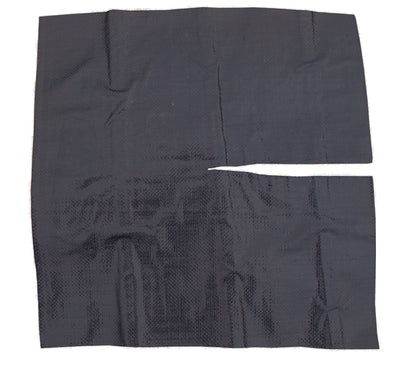
These fabrics offer superior filtration. Because they do not fray when cut, they are the preferred choice for complex planting beds. They allow for precision "X-cuts" to accommodate root balls while maintaining a seamless barrier that stops weeds from creeping in around the stems.
Biodegradable Mulch Mats
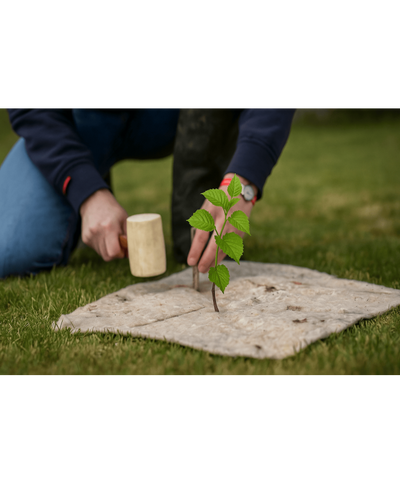
Ideal for environmentally sensitive sites or large-scale tree planting, these mats provide a "set and forget" solution. They suppress weeds during the critical 3–5 year establishment phase before naturally breaking down and returning organic matter to the earth.
Professional Installation and Best Practice
The longevity of a landscape fabric is determined by the quality of the installation. For a professional-standard finish:
- Substrate Preparation: Clear the area of sharp debris and perennial weeds. A level base prevents the fabric from stretching and ensures an even finish for your top layer.
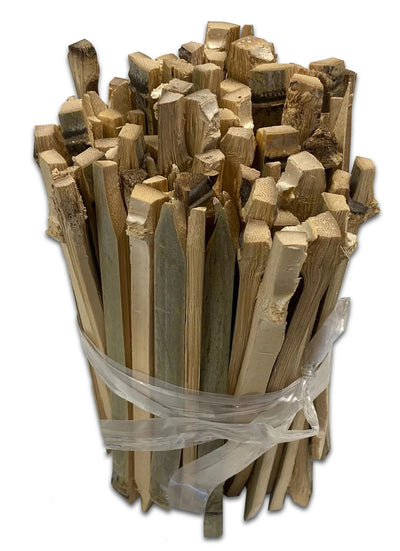
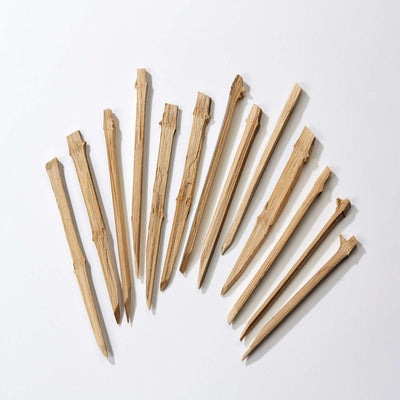
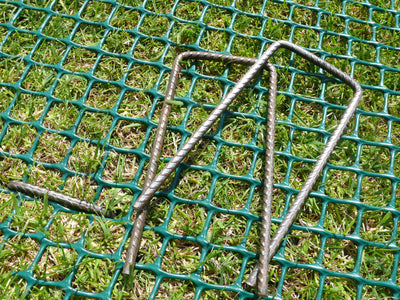
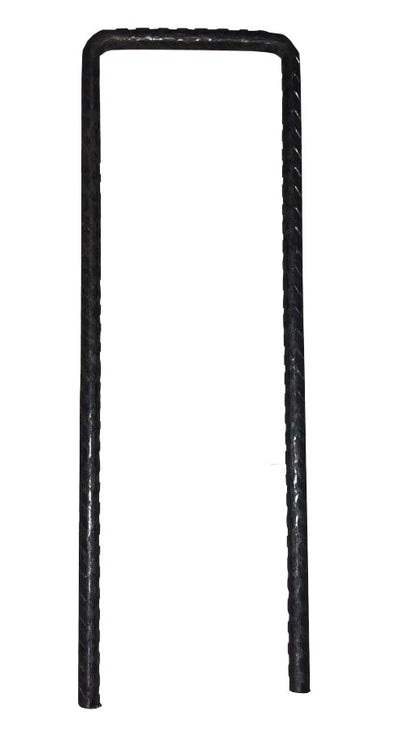
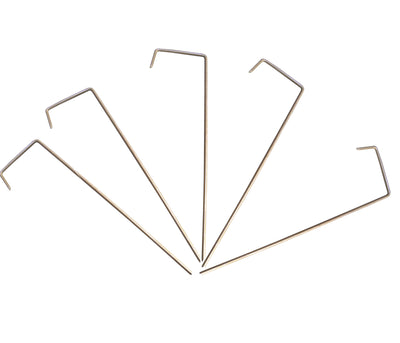
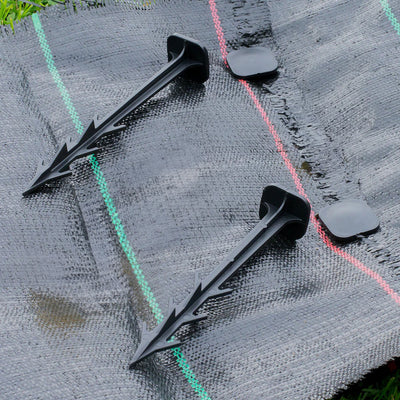
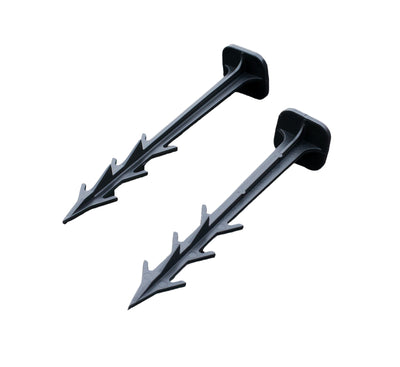
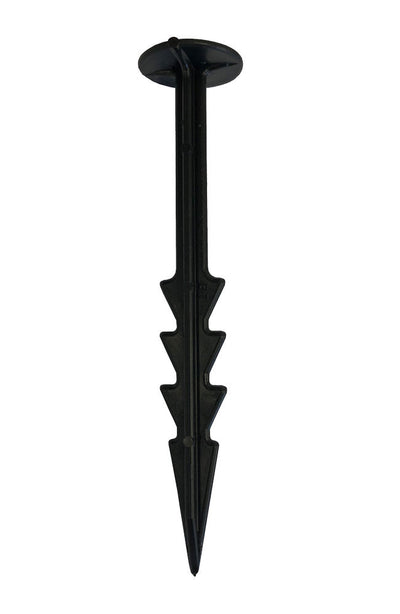
- Overlap & Securing: Maintain a minimum 100mm–150mm overlap at all joins to prevent "edge-creep." Secure the membrane using high-gauge steel staples or plastic fixing pins (Ground Cover Pins & Fixing Pegs) to prevent the material from shifting.
- UV Protection: Most membranes require a "mulch cover" (such as bark or decorative stone) to protect the polymer from UV degradation. This cover also acts as a ballast to keep the membrane flush with the ground.
Integrated Ground Management Systems
At Amenity, we view weed suppressants as part of a holistic landscaping ecosystem. A professional project typically follows a logical workflow:
- Site Preparation: Clearing unwanted vegetation for a clean start.
- Membrane Fitting: Laying the fabric and securing it with heavy-duty pins.
- Planting & Turf: Integrating ornamental plants or professional grass seed.
- Surface Finishing: Covering the membrane with bark nuggets or aggregates to regulate temperature and prevent frost heave.
Seasonal Installation and Project Planning
While weed suppressant membranes can be installed year-round, aligning your project with the Spring or Autumn seasons offers significant practical advantages. During these windows, soil moisture is typically higher and the ground is more workable, allowing for a tighter, more "flush" fit against the soil.
Installing a membrane in late winter or early spring is a strategic move for weed prevention. It ensures the barrier is firmly in place before the "first flush" of seasonal growth, effectively suffocating weed seedlings before they can compete with your newly planted schemes.
By selecting professional-grade ground cover solutions from Amenity Choice you are investing in a cleaner, more manageable landscape that stays looking its best with significantly less manual labour.