Professional Weed Killer Application Equipment & Precision Spraying
In professional grounds maintenance, the efficacy of a herbicide is only as good as the calibration of the machine delivering it. Weed killer application equipment Precision isn't just about saving money on chemicals; it’s about environmental stewardship and achieving a "total kill" or "selective strike" without damaging non-target species.
The Mechanics of Accuracy: Sprayers and Nozzle Technology
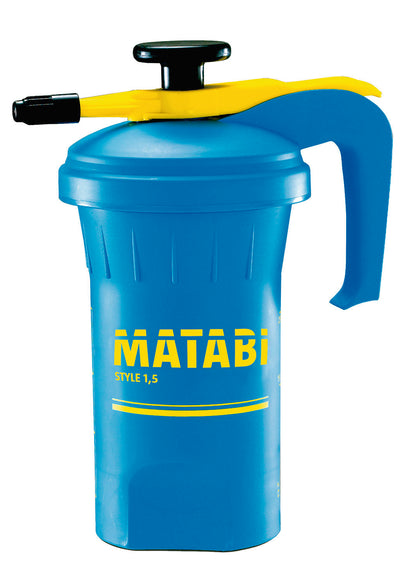
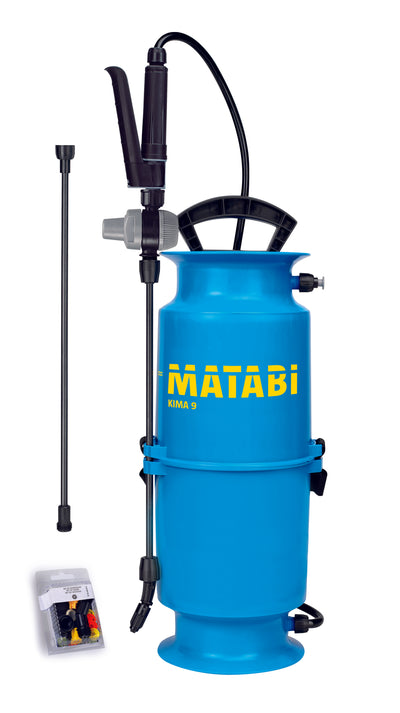
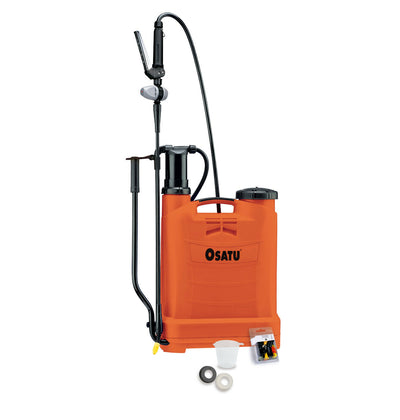
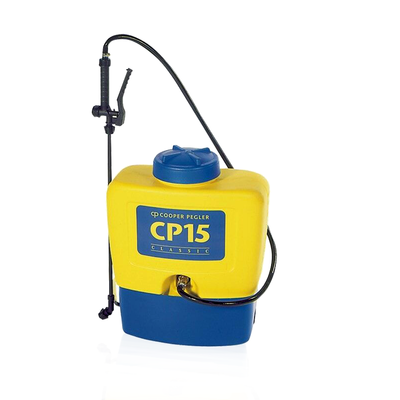
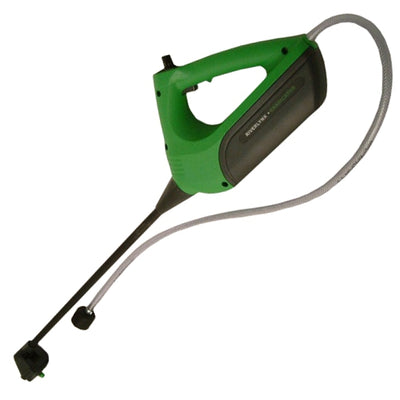
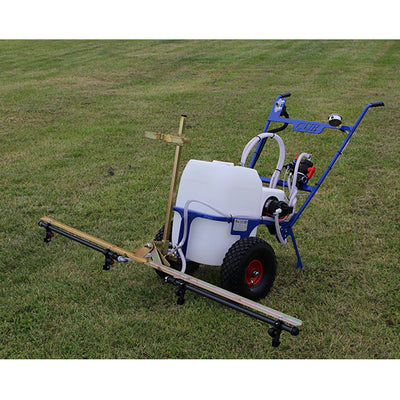
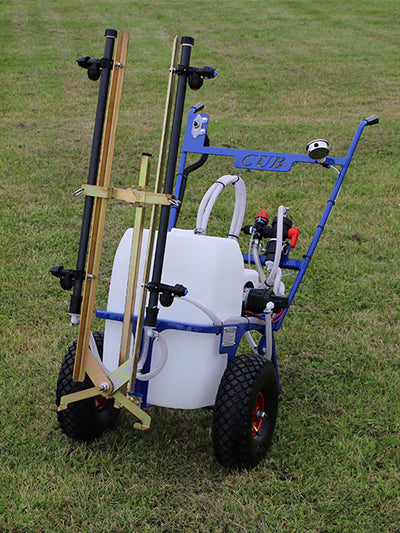
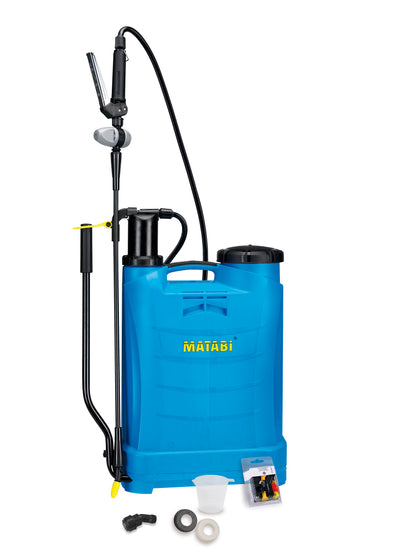
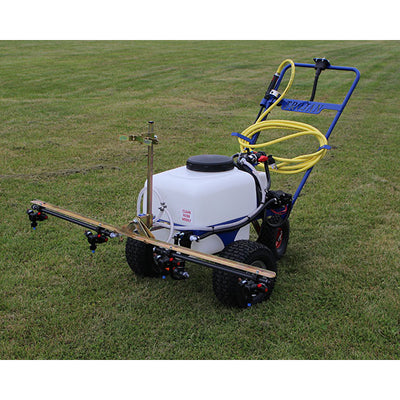
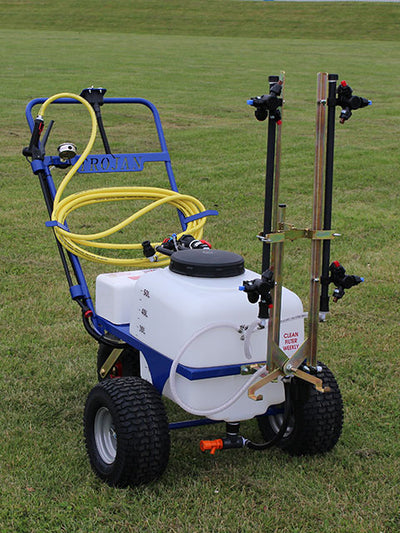
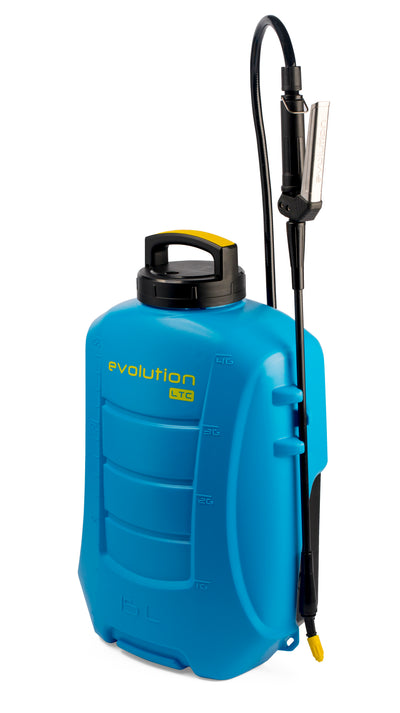
The core of any herbicide program is the delivery system. Whether utilising a handheld pressure sprayer for spot-treating driveway weeds or a professional knapsack sprayer for large-scale lawn care, the physics of the application remains the same.
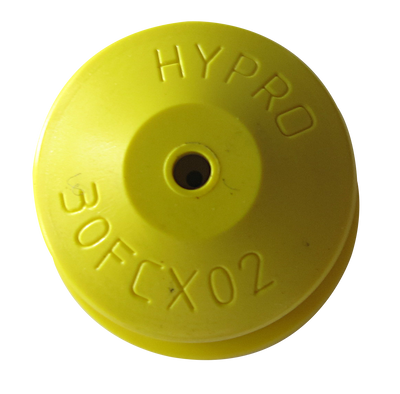
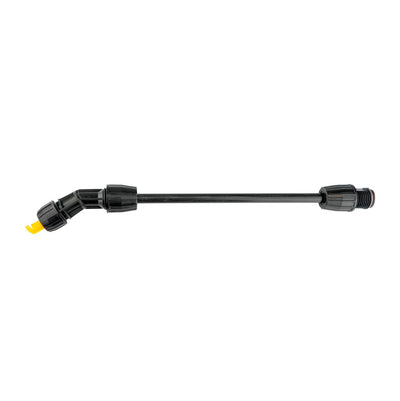
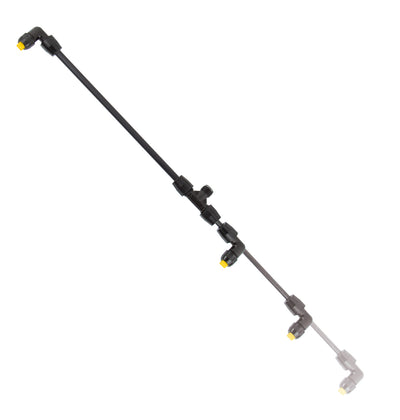
- Nozzle Selection: The nozzle is the most critical component. It dictates the flow rate, spray angle, and droplet size. For professional users, selecting between a Flat Fan nozzle (for uniform coverage on hard surfaces) and a Deflector or Anvil nozzle (for coarse, drift-resistant droplets) is the difference between a successful application and costly off-target damage.
- Pressure Regulation: High-quality applicators feature internal regulators to ensure a consistent BAR pressure. This prevents "pulsing," which leads to uneven application rates and "striping" in turf.
Enhancing Herbicide Efficiency & Drift Control
Modern application equipment is engineered to maximise herbicide uptake while minimising environmental impact. By controlling the micron size of the spray droplets, professional equipment ensures that the active ingredients—whether systemic like Glyphosate or selective like Fluroxypyr—stay exactly where they are intended.
Key Benefits of Professional-Grade Applicators:
- Reduced Chemical Waste: Accurate calibration ensures you apply the exact litres-per-hectare required, reducing "run-off" into soil and waterways.
- Operator Safety: High-spec sprayers feature ergonomic harnesses and reinforced seals to prevent leakages, protecting the operator during extended use.
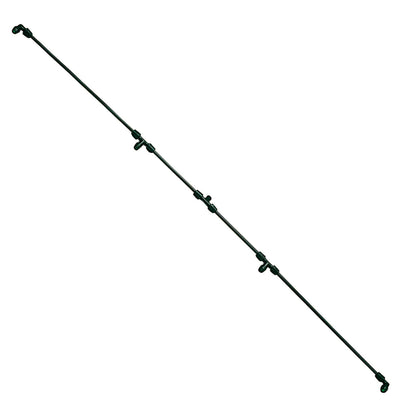
- Targeted Delivery: Use of spray shields or hooded lances allows for surgical precision near ornamental borders, sensitive flower beds, or aquatic zones.
Professional Insight: The Importance of Calibration
A common pitfall in amateur weed control is "over-dosing" a patch. Professional groundsmen know that more chemical does not equal a faster kill; it often leads to leaf burn that prevents the herbicide from translocating to the roots.
Expert Tip: Always calibrate your sprayer with clean water first. Measure a set area, spray it at a comfortable walking pace, and calculate your water volume. Only then add your herbicide concentrate to the tank.
Seasonal Application Windows
- Spring/Summer: Focus on active growth phases. Ensure nozzles are checked for blockages caused by overwintering.
- Autumn: Use for "clean-up" operations on perennials. This is the time to ensure sprayers are thoroughly triple-rinsed and winterised with antifreeze or stored in frost-free conditions to protect the pump seals.
Selecting Your Application Tool
Our collection ranges from entry-level sprayers for domestic work to professional-spec knapsacks with viton seals for chemical resistance. When choosing, consider the "total area" and the "frequency of use." For those managing high-visibility commercial sites or sprawling estates, investing in equipment with ergonomic support and adjustable nozzles is an investment in both the landscape's health and the operator's efficiency.
Essential PPE & Operator Safety Compliance
In the UK, the application of professional herbicides and biocides is governed by strict health and safety legislation. Under COSHH (Control of Substances Hazardous to Health) and the Sustainable Use of Pesticides Regulations, the provision of correct Personal Protective Equipment (PPE) is not just a recommendation—it is a legal requirement for professional operators.
While application equipment minimises contact, the risk of exposure is highest during the "mixing and filling" phase. To ensure the safety of grounds staff and contractors, a complete PPE kit should include:
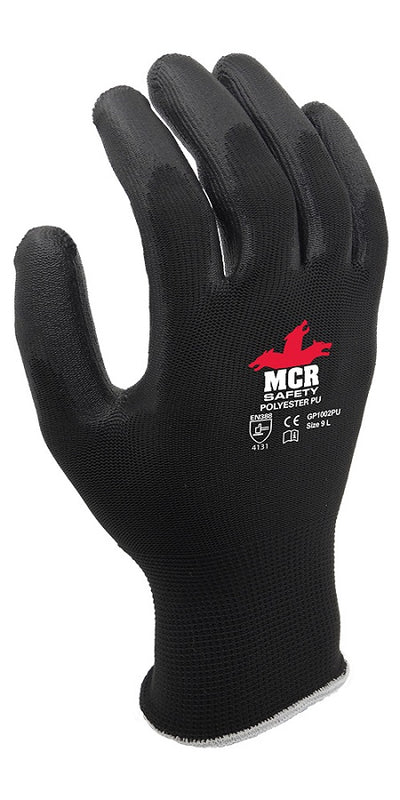
- Chemical-Resistant Gloves: Must be nitrile rubber, at least 0.5mm thick and 300mm long (to cover the wrist). Standard latex or "flocked" gloves are unsuitable as they can absorb chemicals.
- Protective Coveralls: Operators should utilise Type 4 (spray-tight) or Type 5/6 (particle/splash-tight) disposable coveralls. These should be worn over wellington boots (not tucked in) to prevent spills from entering the footwear.
- Face & Eye Protection: A full-face shield is recommended during decanting to protect against splashes of concentrated product.
- Specialist Footwear: Rubber wellington boots provide the necessary chemical resistance and can be easily decontaminated after use.
Compliance Tip: Always check the MAPP or HSE label on your product container. The label is a legal document that specifies the exact level of PPE required for that specific chemical formulation.
Maintenance & Decontamination
Professional PPE must be treated with the same care as your spray equipment. Disposable items should be discarded if contaminated, while reusable gear—such as face shields and boots—must be thoroughly washed down in a designated area away from domestic settings. By integrating high-quality PPE with precision application equipment, you ensure a professional standard of work that prioritises both results and operator wellbeing.