Filters

Lawn & Turf Selective Herbicides

22 products

Showing 1 - 22 of 22 products

Showing 1 - 22 of 22 products
View
Grazon Pro
Depitox 500 Selective Herbicide 5L
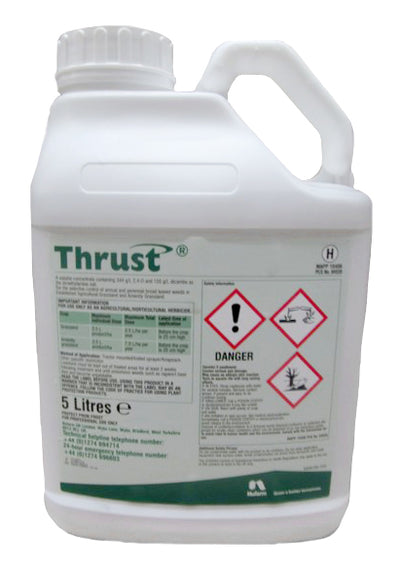
Thrust Selective Herbicide 5L
Envy® Herbicide 3L
Envy® Herbicide 3L
Sale price£77.40
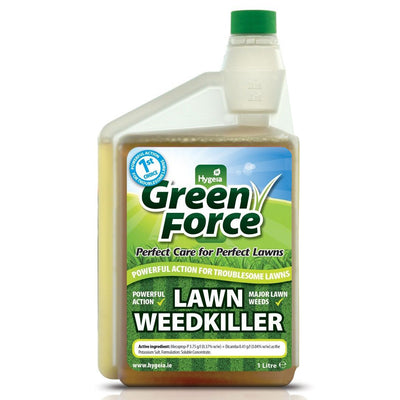
GreenForce Lawn Weed Killer 1L (500m²)
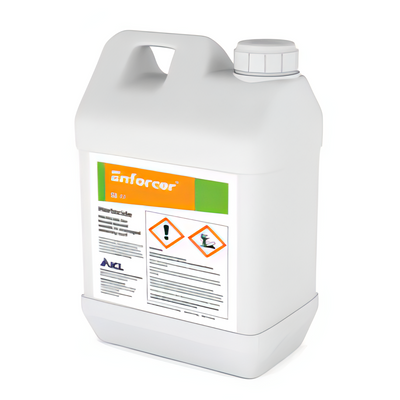
Enforcer Herbicide
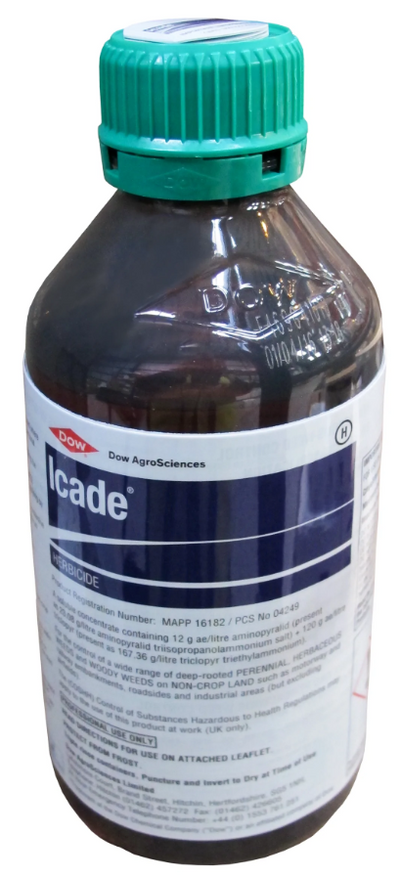
Icade Herbicide 1L
Icade Herbicide 1L
Sale price£59.94
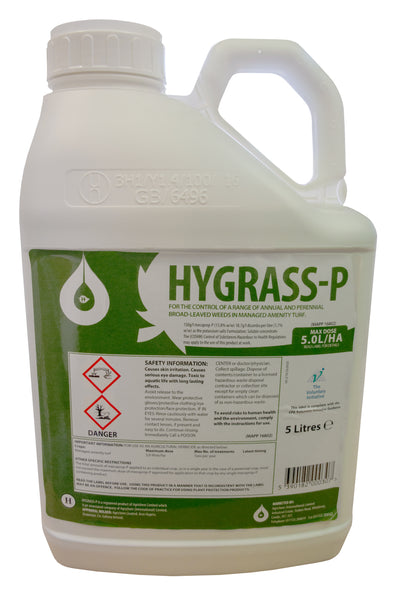
Hygrass-P Selective Herbicide 5L
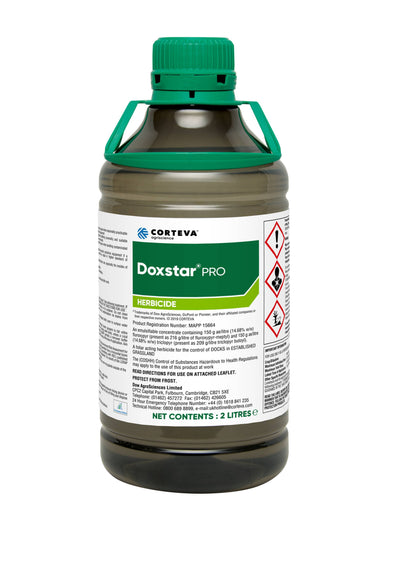
Doxstar Pro
Doxstar Pro
Sale price£75.60
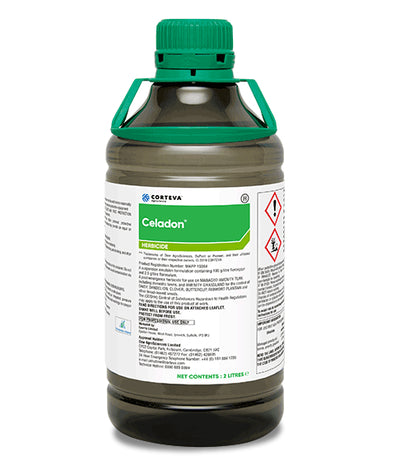
Celadon Herbicide
Celadon - Herbicide 2L
Sale price£86.40
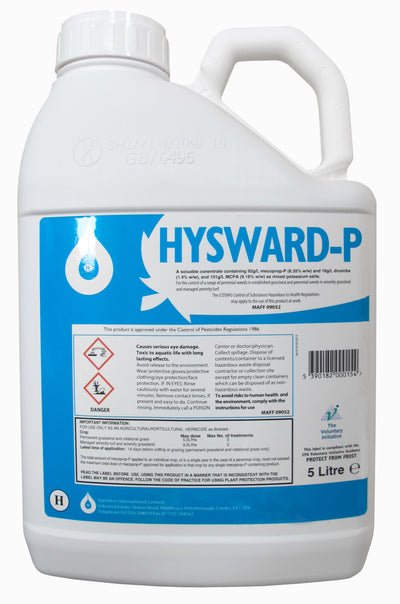
Hysward-P Selective Herbicide
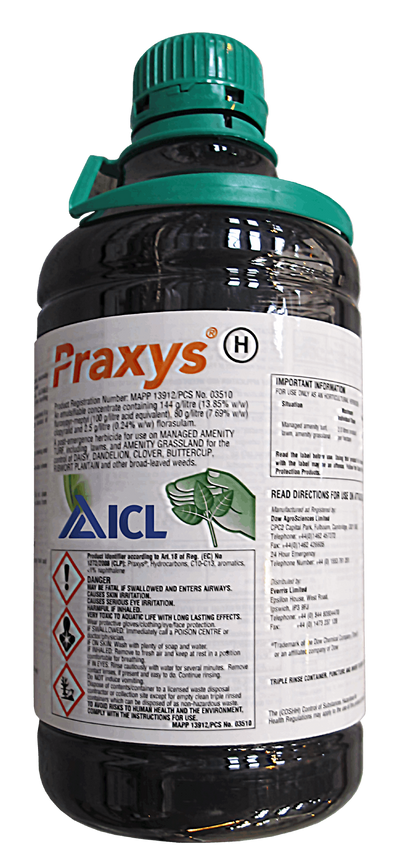
Praxys Herbicide 2L
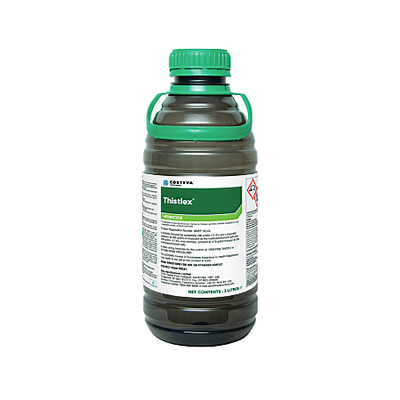
Thistlex
Thistlex
Sale price£134.34
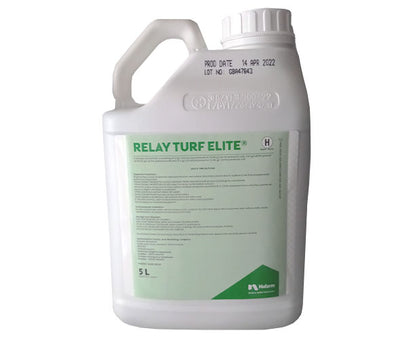
Relay Turf Elite - Selective Herbicide 5L
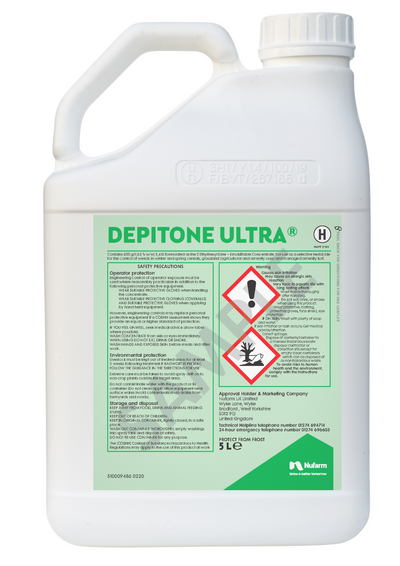
Depitone Ultra - Herbicide
Sale price£75.42
Larke Selective Weed Killer 10L
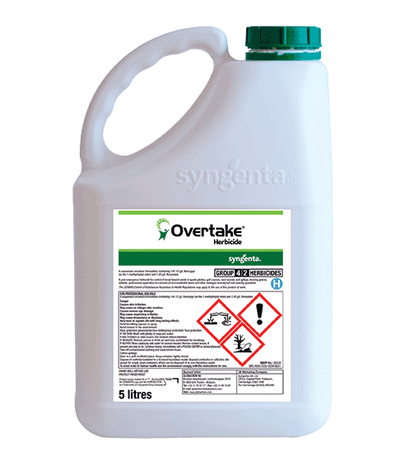
Overtake Herbicide 5L - 2.5ha
Sale price£209.94
ProGrass Selective Weed Killer 3L
Lupo Selective Weed Killer 10L
Squire Ultra Selective Weed Killer
Pinnacle Selective Weed Killer
Gal-Gone Selective Weed Killer 5L

Professional Selective Herbicides for Managed Turf , Amenity Grassland and Gardens

The effective management of high-traffic sports turf, ornamental estate lawns, commercial green spaces rand gardens requires a precise approach to weed control. This collection of professional selective herbicides is designed to control broadleaf weeds while maintaining the total health and structural integrity of the primary grass sward in turf, lawns and paddocks.

Unlike total weed killers, these formulations leverage advanced plant physiology to target weeds at a cellular level, ensuring that "desirable" grasses—such as Fescues, Ryes, and Bents—remain unaffected.

The Science of Selective Translocation

To achieve professional-standard results, a deep understanding of herbicide "selectivity" is essential. Most products in this category utilise systemic translocation, where the active ingredients are absorbed through the foliage and moved throughout the plant's vascular system.

Modern selective herbicides primarily act as growth regulators. By mimicking the natural plants structure, causing "uncontrolled growth" in broadleaf species, leading to total plant collapse from the leaf tip down to the deepest root structures. This is vital for controlling persistent perennials that would otherwise regenerate from underground taproots or rhizomes.

Technical Active Ingredients and Their Role

Our range includes high-load professional formulations featuring key active substances recognised for their efficacy ability to deliver results over a wide range of weeds and situations.

  • Mecoprop-P and MCPA: The industry standards for broad-spectrum control of common lawn weeds.
  • Dicamba: Often utilised in synergistic blends to improve the "knockdown" of tough, deep-rooted weeds.
  • Fluroxypyr and Clopyralid: Highly effective against more difficult "woody" or waxy-leaved species that standard treatments may struggle to penetrate.

Targeted Species: Solving the Broadleaf Challenge

Successful control begins with accurate identification. Our selective herbicides are formulated to tackle a wide variety of species that are a common problem in lawns, amenity turf, paddocks and grassland:

  • Common Broadleaf Weeds: Dandelion, White Clover, Daisies, and Plantain.
  • Persistent Threats: Thistles, Buttercup, Chickweed, and Yarrow.
  • Tough-to-Control Species: Slender Speedwell, Black Medick, and Selfheal.

By utilising these professional solutions, groundskeepers, contractors and the professional gardener can move beyond reactive clearing toward a proactive Integrated Turf Management (ITM) strategy. This ensures that the aesthetic and functional quality of turf, grassland and lawns are preserved year-round.

Strategic Application and Site Recovery

For contractors, grounds maintenance operators and gardeners estate managers, the timing of an application is as vital as the product choice. Selective herbicides perform best when the target weed is in a state of active growth, typically between April and September when soil temperatures are consistent.

Integration with Wider Turf Care

Weed removal is the first stage of total site restoration. Once the competition has been controlled, the focus shifts to preventing re-infestation:

  1. Sward Density: Following treatment, bare patches should be overseeded with high-quality grass seed to "choke out" pioneer weeds.
  2. Nutritional Balance: Applying targeted fertilisers helps the grass recover and close the canopy quickly.
  3. Soil Optimisation: Utilising soil conditioners or wetting agents ensures the root zone is optimised for healthy grass growth, rather than weed establishment.
  4. Precision Delivery: To minimise chemical usage and maximise coverage, we recommend the use of calibrated lawn spreaders or professional knapsack sprayers for even distribution.

Recently viewed