
Hedgehog Houses
2 products
Showing 1 - 2 of 2 products
Support hedgehogs with our hedgehog houses range for gardens, parks and wildlife-friendly spaces. This collection includes durable hedgehog shelters designed to provide safer places for nesting, resting and hibernation throughout the year. Ideal for habitat enhancement and biodiversity-focused outdoor projects, these houses help create sheltered environments for one of the UK’s most recognisable garden mammals. Suitable for both domestic gardens and larger landscape settings, they offer a practical way to encourage wildlife and improve habitat value.
Hedgehog Houses and Wildlife Shelter Design
High-quality hedgehog houses support biodiversity across gardens, and a wide range of managed outdoor spaces. As natural habitats continue to decline, providing a reliable wildlife shelter gives hedgehogs a safe place to rest, nest and hibernate throughout the year. Each design in this range is built with practical conservation in mind, combining durability with proven layouts that encourage occupancy while helping protect against predators.
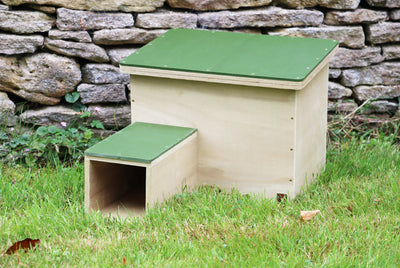
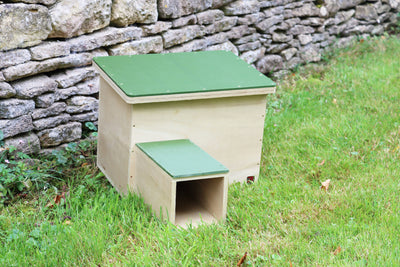
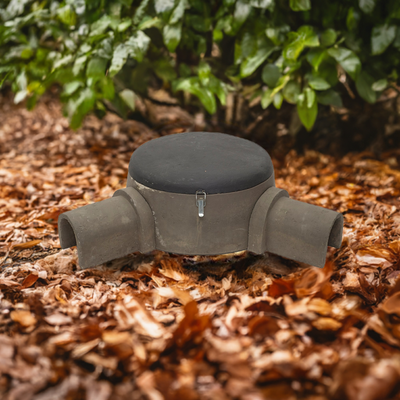
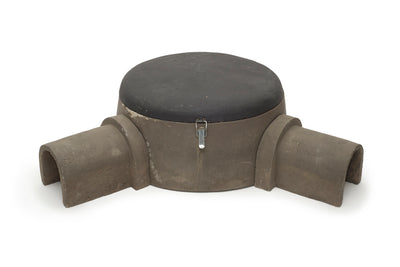
Effective hedgehog house designs often include extended or dual entrance tunnels to make access more difficult for predators, along with solid construction materials that help maintain a stable internal environment. Options in the range include robust products such as WoodStone® composite structures and reinforced timber systems, selected for their longevity and ability to withstand year-round outdoor exposure. All forming part of our wider Wildlife & Habitat Range designed to encourage greater biodiversity in any environnment.
Materials and Construction in Hedgehog Habitat Boxes
Material choice is central to the performance of any hedgehog house. Professional-grade designs often use combinations of timber, recycled plastic and composite materials to deliver a balance of insulation, strength and weather resistance. For example, WoodStone® blends wood fibres with concrete to create a dense, breathable structure that resists rot while helping maintain a stable internal environment.
Durable timber options such as duraply are also widely used, often paired with recycled plastic roofing to provide waterproof protection. Raised bases, ventilation channels and removable lids are key construction features that improve airflow, reduce moisture build-up and allow for seasonal maintenance. These details reflect practicality as well as helping to encourage long-term use by hedgehogs rather than temporary sheltering.
Biodiversity and Habitat Support in Managed Landscapes
Introducing hedgehog houses into a landscape is part of a wider ecological approach that supports wildlife corridors and improves habitat diversity. In domestic gardens, estates and larger commercial grounds, these shelters provide essential refuge while complementing planting schemes and naturalised areas all designed to support broader habitat creation.
Where to Place Your Hedgehog House
To maximise effectiveness, hedgehog houses should be positioned in quiet, shaded locations such as beneath hedgerows, within shrub beds or along boundary edges. Covering the structure with soil, leaves or garden debris helps it blend into the surrounding environment and improves insulation. Providing nearby food sources and natural cover also significantly increases the likelihood of occupancy, as hedgehogs favour sheltered, undisturbed spaces.
Encouraging Hedgehog Activity Through Planting and Habitat Design
Habitat creation is most successful when multiple elements are combined. A typical approach might include establishing insect-rich planting areas using native wildflower mixes, improving ground cover and reducing overly manicured spaces to create natural foraging conditions. Integrating hedgehog houses alongside grass seed for meadow-style areas or low-input lawns can help create a more balanced ecosystem that supports insects, which are a primary food source for hedgehogs. See our Colour Boost Wildflower Mixes collection for planting options that complement habitat design.
These small but considered steps contribute to a more resilient and wildlife-friendly landscape.
Integrating Hedgehog Houses Within Landscape Projects
In professional landscaping, hedgehog houses are often incorporated during the design and installation phase rather than as an afterthought. They can be positioned alongside planting beds, woodland edges or naturalised margins to ensure they are both functional and discreet. This approach is particularly relevant on estate grounds, parkland developments and commercial outdoor spaces where biodiversity targets are increasingly part of project specifications.
Practical Installation and Positioning Guidance
Correct installation is key to success. Hedgehog houses should be placed on level ground, ideally on a free-draining base to prevent the area getting muddy. Positioning the entrance away from prevailing winds and direct sunlight helps maintain a stable internal environment. Surrounding the house with natural materials such as logs, leaf litter or planting improves camouflage and encourages exploration.
It is important to avoid frequent disturbance once installed. Hedgehogs rely on consistent, quiet conditions, particularly during hibernation or nesting periods. Where access is required for cleaning, removable lids allow for maintenance outside of active use, ensuring the structure remains hygienic without disrupting wildlife.
Seasonal Considerations for Hedgehog Houses
While hedgehog houses are used year-round, their role changes with the seasons. In spring and summer, they may provide shelter for resting or breeding, while in autumn they become essential nesting sites as hedgehogs prepare for hibernation. During winter, well-insulated houses offer protection from cold temperatures and wet conditions, supporting survival through the most challenging period.
Installation can take place at any time of year, although positioning and preparation are particularly important ahead of autumn when hedgehogs begin seeking hibernation sites. Adding dry leaves or natural bedding materials during this period can also help encourage early residency.
For landscapers, estate managers and serious gardeners, hedgehog houses represent a practical and meaningful way to support wildlife while enhancing the ecological value of a space. When integrated thoughtfully into planting schemes and wider habitat design, they contribute to a more resilient landscape that benefits both wildlife and the overall visual character of the environment.
Recently viewed