Glyphosate-Free Weed Killers and Alternative Weed Control
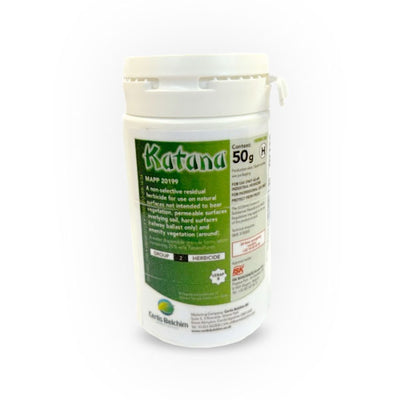
The demand for glyphosate-free weed killers has grown significantly as local authorities, professional landscapers and the domestic gardener seek effective alternatives to traditional systemic chemistry. The Amenity Choice non-glyphosate collection features advanced contact herbicides and naturally derived formulations that provide rapid desiccation of unwanted vegetation while aligning with evolving environmental policies and sustainability targets.
Unlike glyphosate, which moves through the plant's vascular system, many of these alternatives utilise "burn-down" technology or long-lasting residual barriers. They are designed for use on pathways, permeable surfaces, and garden borders where a quick visual "knockdown" or extended prevention is required. For professionals operating in sensitive public spaces, these formulations offer a vital tool for maintaining high aesthetic standards without the use of traditional weed killers.
Contact Herbicide Action and Residual Prevention
Understanding the science of glyphosate free weed killers is essential for successful application. While some products focus on immediate leaf contact, others in the range offer long-lasting residual weed control to prevent new seeds from germinating.
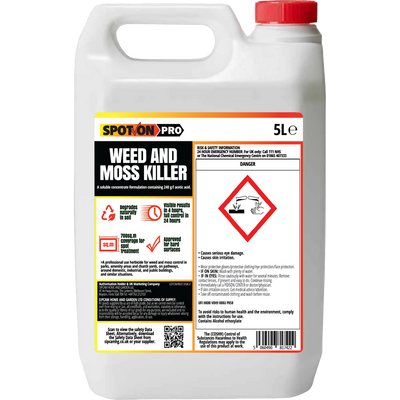
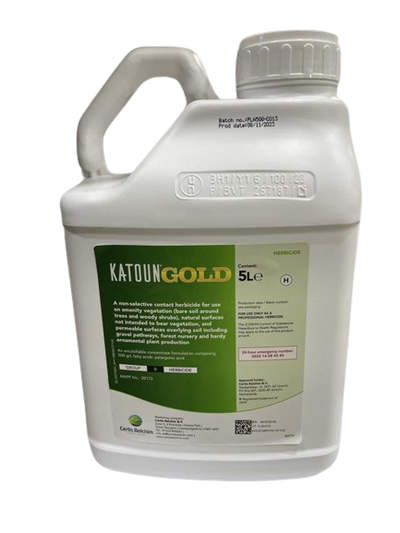
- Cell Membrane Disruption: Many glyphosate-free actives—such as acetic acid or pelargonic acid—work by dissolving the waxy cuticle of the leaf. This causes rapid moisture loss and disrupts the plant's ability to manage plant nutrition and photosynthesis.
- Residual Barriers: Certain advanced formulations in this category act as long-lasting weed killers by creating a preventative seal on the soil surface. This inhibits the emergence of new weeds, providing a proactive solution for gravel areas and fence lines.
- The Importance of Coverage: For contact-only products, thorough spray coverage is a technical necessity because they do not translocate. However, for residual options, even distribution across the soil ensures no "hunger gaps" where weeds can break through.
While these products focus on managing unwanted growth, maintaining a healthy soil nutrient balance in surrounding areas ensures that the landscape remains resilient, allowing desirable species to outcompete emerging weeds naturally.
Professional Weed Management in a Post-Glyphosate Landscape
In a professional grounds maintenance context, glyphosate-free weed control requires a strategic shift from "reactive" to "proactive" management. Because contact herbicides primarily target foliage, they are most effective when used on young, actively growing weeds before they achieve significant root development.
Visit frequencies can be significantly reduced when used alongside long-lasting residual weed killers, the frequency of site visits can be significantly reduced.
This makes them an ideal component of an Integrated Pest Management (IPM) strategy. By combining regular, low-volume applications with mechanical control and residual prevention, contractors can maintain clean surfaces year-round. This approach is particularly effective in high-traffic amenity areas where immediate visual results are a priority for the client.
Integration with Maintenance Workflows
A successful transition to glyphosate-free maintenance involves a holistic view of the landscape. Effective weed suppression is often a by product of overall plant health:
- Competitive Turf: Maintaining thick, healthy grass using professional lawn care products and high-density grass seed prevents weed seeds from finding a viable place to germinate.
- Surface Management: In damp or shaded areas, applying targeted moss control prevents surface degradation that often leads to weed encroachment.
- Soil Health: Using soil conditioners and top dressing ensures that ornamental areas remain robust, reducing the stress that often invites opportunistic weed species.
Technical Application and Environmental Considerations
The efficacy of non-toxic weed killers is highly dependent on environmental variables. To achieve the best results, application should be timed when the "sun is high and the dew is dry." Warm, bright conditions accelerate the desiccation process, often showing visible results within hours.
- Calibration: Using professional-grade sprayers with the correct nozzle selection is vital. A finer mist often provides the total leaf coverage required for contact actives, while a steady, even spray is best for establishing a long-lasting residual barrier.
- Persistence: Where naturally derived products are chosen for their alternative chemistry and because they do not enhance soil fertility, they are considered safer for use in specific ecological zones, provided the spray does not drift onto non-target foliage.
- Weather Windows: Rainfall shortly after application can wash away the active ingredients. Monitoring weather patterns is essential to ensure the longevity and effectiveness of the treatment.
Seasonal Strategy for Non-Glyphosate Solutions
The lifecycle of the weed dictates the success of the herbicide. In early spring, glyphosate-free options are highly effective against annual weeds. This is also the optimal time to apply long-lasting residual weed killers to stop the first major flush of germination as soil temperatures rise.
During the summer, contact-only products are used to "edge" pathways and maintain the clean lines of gravel drives. In autumn, treating late-season growth reduces the weed seed bank for the following year. While these products are an alternative to traditional chemistry, their strategic use helps maintain a balanced ecosystem where weeds are managed through a combination of rapid-acting knockdown and preventative surface barriers.
Selecting the Right Professional Alternative
Choosing a non-glyphosate weed killer depends on the specific site requirements—from fast-acting contact acids for quick results to long-lasting residual formulations for seasonal suppression. At Amenity Choice, we provide the technical data and professional-grade products needed to make the switch to alternative weed control seamless.
By integrating these solutions into a well-calibrated maintenance schedule, you can achieve a pristine, weed-free environment that meets the highest standards of modern, sustainable landscape management.