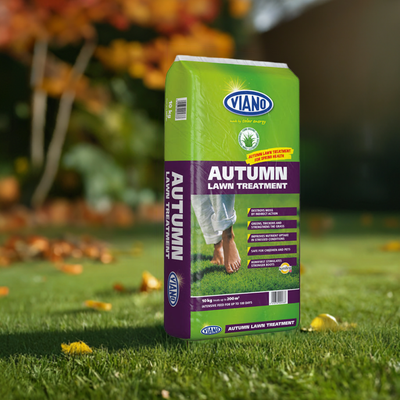
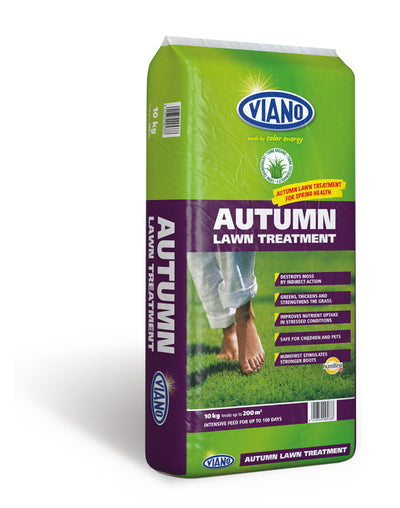
The Essential Guide to Autumn Turf Nutrition & Winter Hardening
Autumn is arguably the most critical window in the professional turf manager’s calendar. As day length shortens and air temperatures drop, the physiological requirements of grass shift from lush leaf production to root development and carbohydrate storage.
At Amenity Choice, we view autumn fertilising not just as a feeding exercise, but as a "winterisation" process. Using the correct formulation between September and early November ensures your turf remains resilient against frost, snow mould, and the physical stresses of winter.
Why Potassium (K) Takes Centre Stage
While spring fertilisers are nitrogen-heavy to drive growth, autumn formulations prioritise Potassium (K). In a turf context, Potassium acts as a biological antifreeze. It regulates osmoregulation—the movement of water within plant cells—strengthening cell walls to prevent them from rupturing during hard frosts.
The NPK Shift: What to Look For
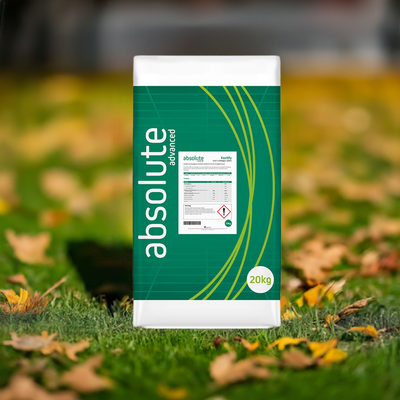
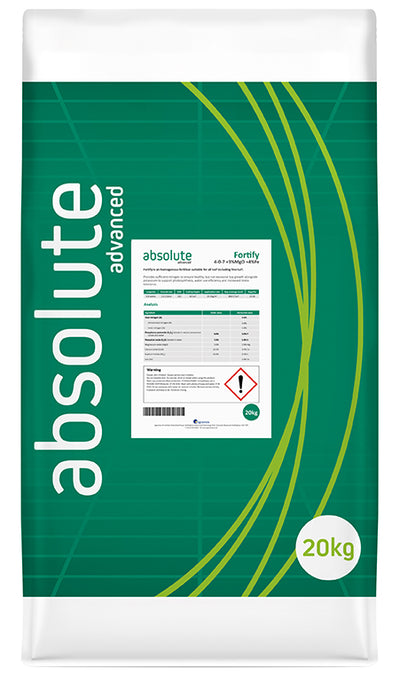
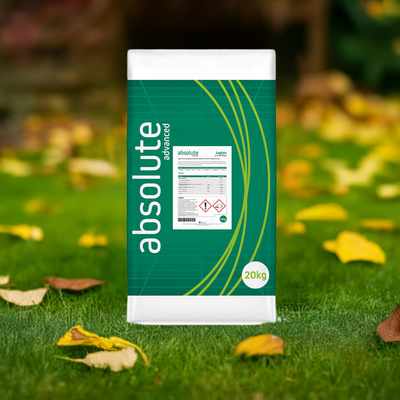
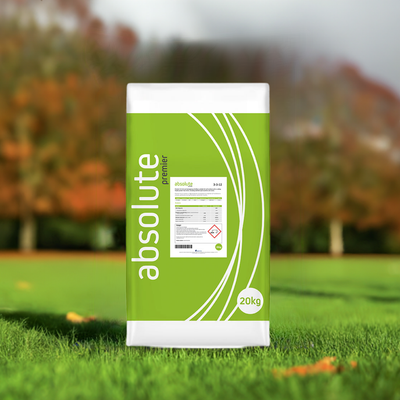
- Maintenance Formulations (e.g., 6-5-10): Ideal for established lawns requiring steady hardening.
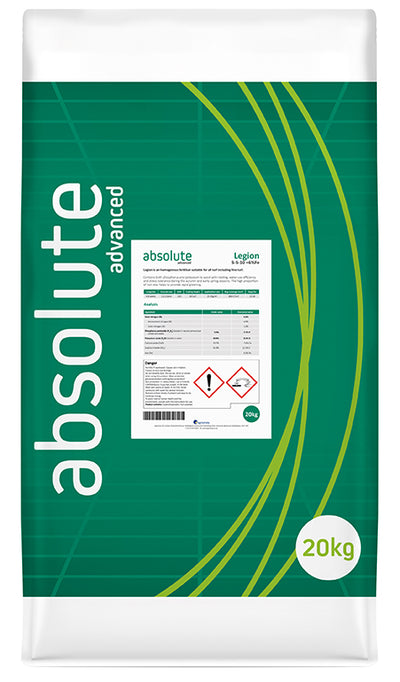
- Renovation Formulations (e.g., 5-10-10): Higher Phosphorus (P) content to support primary root architectural development in new seedlings after overseeding.
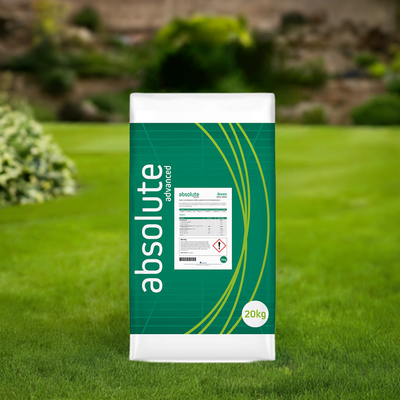
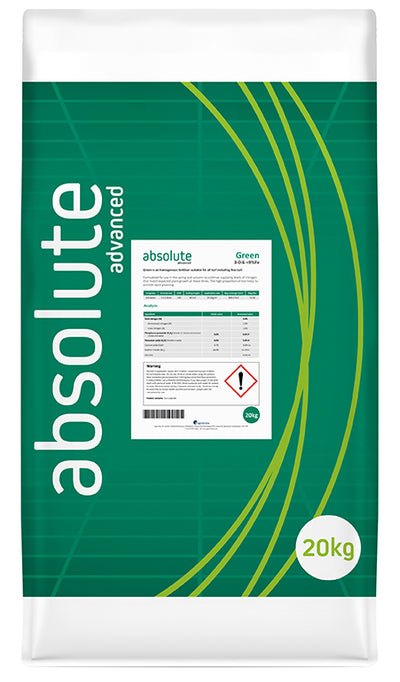
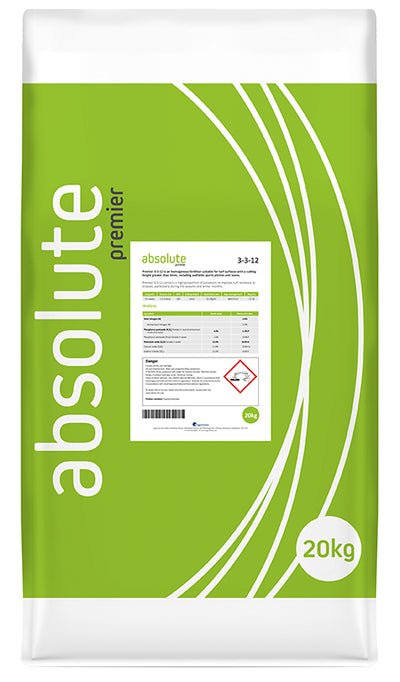
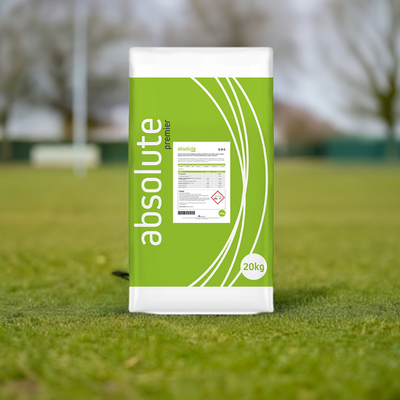
- Iron (Fe) Supplements: Many of our professional blends include 2-4% Iron to provide a "green-up" without soft growth, while acidifying the leaf surface to discourage moss and fungal pathogens like Microdochium nivale (Fusarium patch).
Professional Sequencing: Scarification & Feeding
A common query is whether to fertilise before or after scarification. For the best results, mechanical work should always precede nutrition.
- Scarification/Aeration: Removes thatch and opens soil pores.
- Overseeding: Introduces new cultivars into the open surface. Autumn is considered an ideal time for overseeding, with another opportunity in Spring too.
- Fertilising: Apply 7–14 days after seeding.
Expert Tip: Applying high-salt granular fertilisers immediately onto heavily scarified, "bleeding" grass can cause osmotic stress (scorch). Wait for the turf to recover slightly so the nutrients support the new seedlings rather than stressing the existing plants.
Choosing the Right Format: Granular vs. Liquid
- Conventional Granular: Best for September applications. These require moisture to break down but provide a reliable nutrient hit while the grass is still metabolically active.
- Slow-Release / Polymer Coated: Ideal for "one-and-done" applications. These release nutrients based on soil temperature, ensuring nitrogen isn't leached away during heavy October rains.
- Organo-Mineral Blends: We highly recommend these for "tired" soils. By combining mineral NPK with organic matter, you feed the soil microbiome, which remains active long after the grass blades have stopped growing.
Application Timing & Soil Temperatures
The "Golden Rule" for UK autumn feeding is to apply while the soil temperature remains above 8°C.
Once temperatures drop consistently below 5°C, the plant’s vascular system slows significantly. Late-season applications (November onwards) should focus almost exclusively on high-potassium "Winter Shield" products or liquid Iron to maintain colour without encouraging late-season soft growth that is susceptible to disease.
Frequently Asked Questions
Can I use a "Weed and Feed fertiliser" in Autumn?
We generally advise against it. Most "Weed and Feed fertiliser" products contain high Nitrogen levels suited for spring. Furthermore, many lawn weeds go dormant in autumn, meaning they won't "take up" the herbicide effectively. It is more efficient to use a dedicated [autumn fertiliser] and spot-treat weeds or focus on [moss control].
How Much Water is Needed After Application?
If no rain is forecast within 48 hours, apply approximately 3–5mm of irrigation. This "sets" the granule into the soil profile and prevents any potential tip-burn on the grass blades.
Will Autumn Fertiliser Stop Moss?
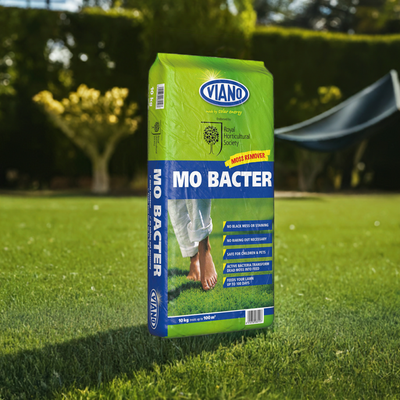
Fertiliser alone won't kill moss, but products with high Ferrous Sulphate (Iron) content will blacken moss and restrict its spread. A healthy, dense sward encouraged by autumn feeding is the best natural defence against moss invasion during the damp winter months.