Technical Management of Algae, Slime, and Surface Biofilms
In the damp, temperate climate of the UK, the colonisation of outdoor surfaces by algae, liverworts, and microbial slimes is a persistent challenge. These are not merely aesthetic issues; they represent a significant biological film (biofilm) that compromises the safety, drainage, and longevity of paths and patios as well a high level sporting installations.
Whether managing professional sports turf, commercial hard-standing, or residential artificial lawns, the objective is to interrupt the metabolic processes of these organisms to restore the structural and safety integrity of the surface.
The Biology of Surface Colonisation
Algae and slimes thrive in areas of high moisture and low light. On porous surfaces like block paving or synthetic turf, they form a slick, gelatinous layer that seals the surface, leading to:
- Hazardous Slip Conditions: Biofilms significantly reduce the Coefficient of Friction (CoF) on walkways and sports surfaces, creating a major liability risk in public and commercial spaces.
- Drainage Occlusion: In artificial lawns, algae can "blind" the drainage perforations in the backing, causing water to sit on the surface and further accelerating the growth cycle.
- Anaerobic Conditions: On natural turf, a buildup of "slime" can block gaseous exchange in the soil, leading to a decline in root health and the eventual thinning of the grass sward.
Strategic Control: A Long Term Approach to Controlling Algae & Slime
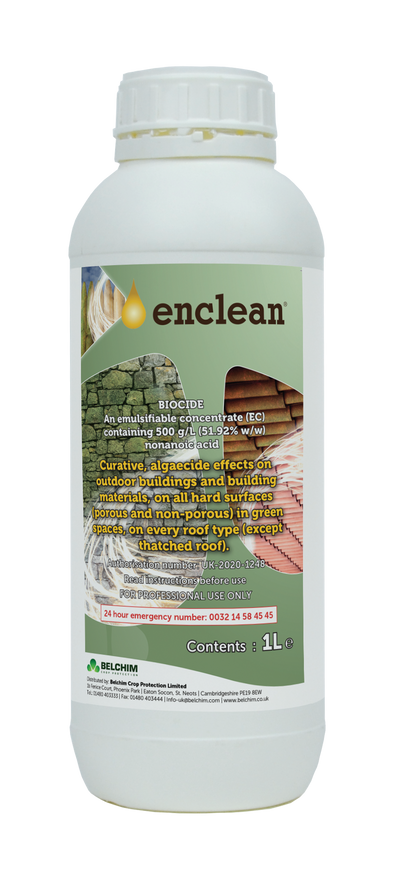
Effective management requires a transition from reactive cleaning to a structured biological control programme. The formulations in this range are curated to target these organisms at a cellular level, providing both immediate results and long-term protection.
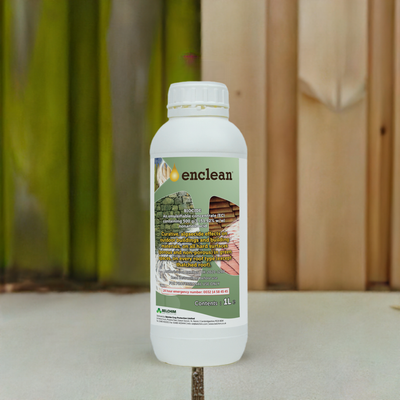
- Oxidising Biocides: These provide rapid "clearance" by oxidising the cell walls of the algae. They are ideal for immediate results on hard surfaces where safety must be restored quickly.
- Residual Suppressants: For long-term control, specialised algae and moss killers provide a residual barrier. These prevent spores from recolonising the surface, extending the interval between maintenance cycles.
- Surfactant Technology: In some cases, the use of wetting agents or surfactants is necessary to break the surface tension of the slime, allowing the active ingredients to penetrate the thick, protective layer that algae often build around themselves.
Integration with Hard Surface and Turf Care
Algae and slime management is a critical component of wider Hard Surface Maintenance and should be integrated into a seasonal schedule.
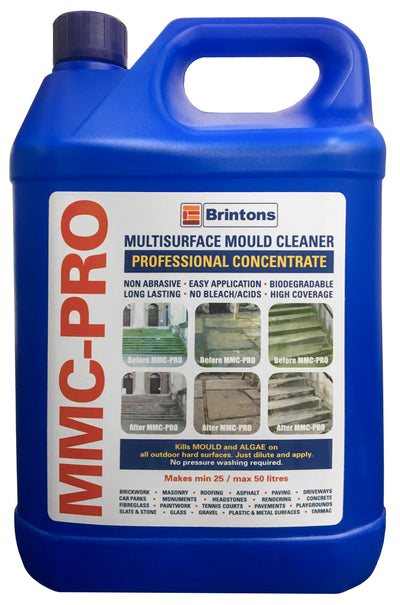
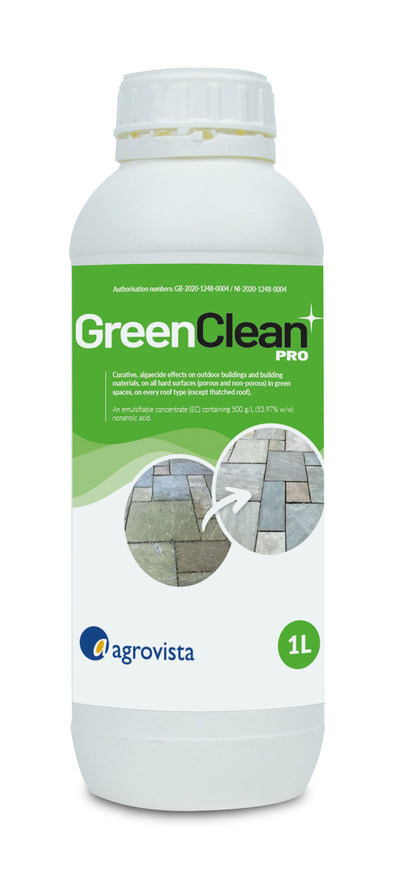
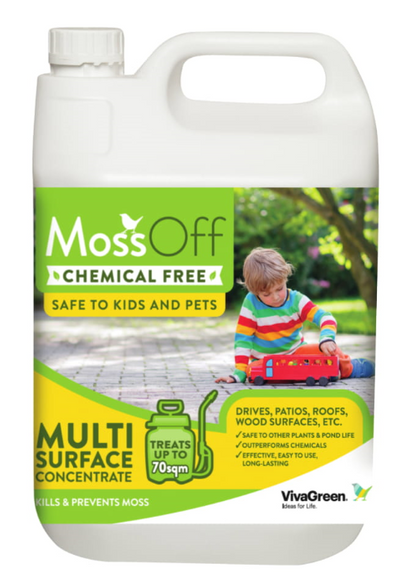
- Hard Surfaces: For patios and pathways, using a professional hard surface moss cleaner ensures that both the moss and the microscopic algae are eradicated simultaneously, preventing the "green haze" from returning.
- Weed Management: Often, where algae is present, weed control is also necessary. Silt buildup that feeds algae also provides a seedbed for weeds. Addressing both ensures a clean, professional finish.
- Equipment Precision: For large-scale applications, the use of precision sprayers ensures even distribution of the control agent, preventing patchy results and ensuring maximum effectiveness.
Expert Insight: The presence of slime is a symptom of moisture retention. While chemical control is essential for eradication, improving surface airflow and using a professional-grade algaecide ensures that you are treating the cause, not just the symptom.
Professional Standards for Surface Safety
Utilising high-load formulations—the same calibre used on premier golf courses and stadium pitches—provides the technical reliability required for modern outdoor management. From restoring the slip-resistance of a public walkway to maintaining the pristine "green" of an artificial lawn, these solutions provide the chemical precision required to maintain a landscape that is as safe as it is visually impressive.