Lawn Edging Systems and Landscape Definition
Lawn edging systems play a fundamental role in professional landscape construction and ongoing turf management. Whether used on domestic lawns, commercial grounds or sports environments, they provide a permanent physical barrier that defines the transition between lawns, turf and grass and adjacent surfaces such as pathways, drives and planting beds.
This clear separation not only improves visual presentation but also contributes to long-term turf performance and maintenance efficiency, saving time and money.
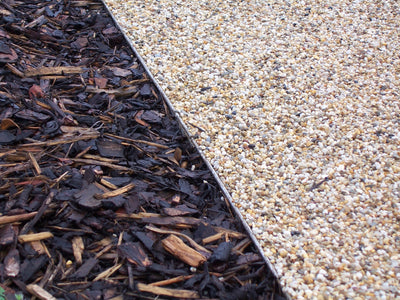
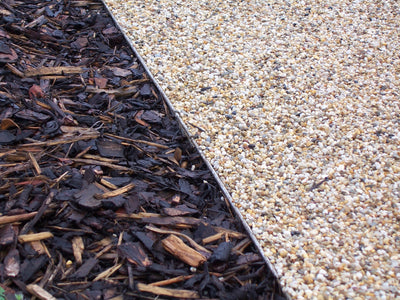
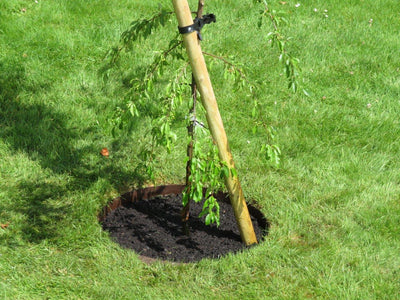
A well installed lawn edging system creates clean, consistent lines that elevate the overall finish of a site. More importantly, from a practical perspective, it prevents grass encroachment into borders and stops soil, mulch or aggregates creeping into the sward. This significantly reduces routine maintenance requirements and helps maintain a stable growing environment for turf and ornamental planting alike.
From a turf care point of view, clearly defined edges also support more accurate mowing and trimming. Machinery can follow a consistent line, and lawn edges can be mowed right up to by raising the lawn mower cutter height, or alternatively simply strimmed, improving the overall quality of finish.
Soil Structure and Boundary Control in Turf Systems
The interaction between lawn edging systems and soil structure is often overlooked, yet it is highly relevant in professional landscaping. By stabilising the boundary between surfaces, edging helps maintain soil integrity and prevents erosion and the breakdown of lawn edges, particularly on sloped areas or in high traffic zones.
Root Development and Nutrient Retention
Defined edges can also indirectly improve soil fertility and plant nutrition. By preventing the movement of top dressing materials, organic matter, fertilisers and mulches, edging systems can help retain valuable nutrients in planting areas and reduce run-off.
This in turn supports NPK uptake and consistent root development in lawns, turf, surrounding flower beds and plant borders. Not only does this improve fertiliser and nutrient efficiency, but it can also reduce waste.
Materials and Durability in Lawn Edging Systems
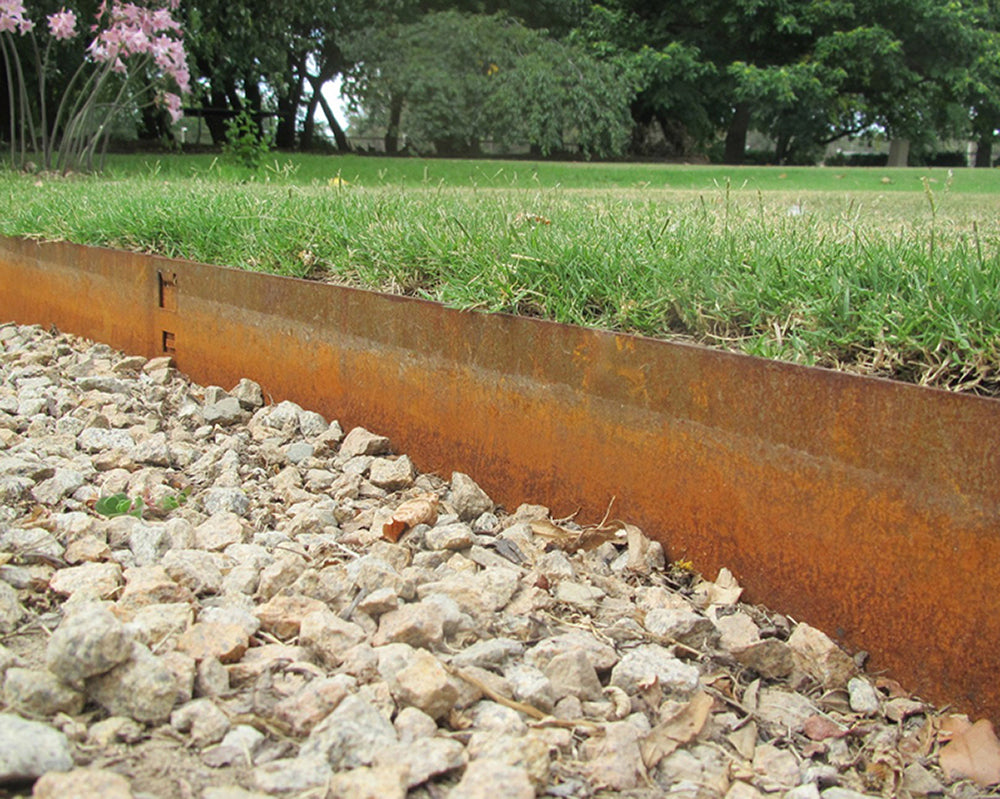
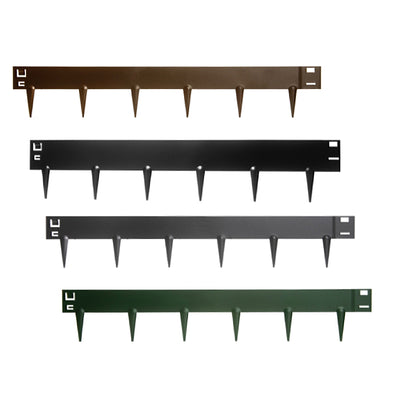
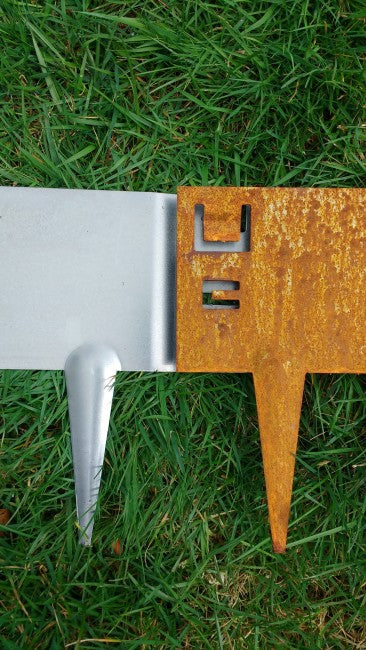
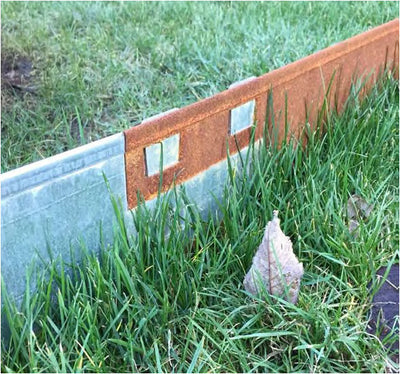
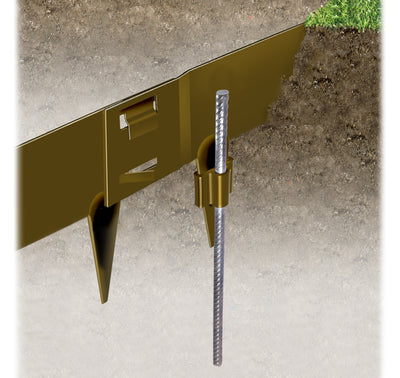
Modern lawn edging systems are available in a range of materials, each suited to different applications. Metal edging, often galvanised or powder coated steel, provides exceptional durability and a clean architectural finish.
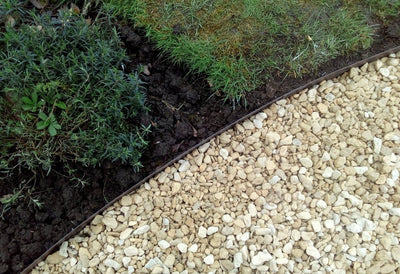
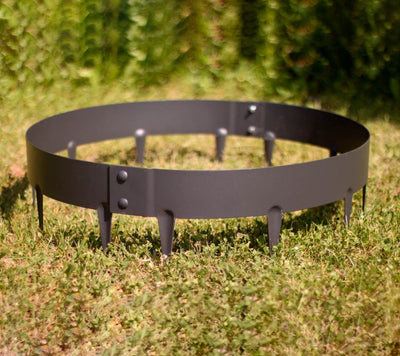
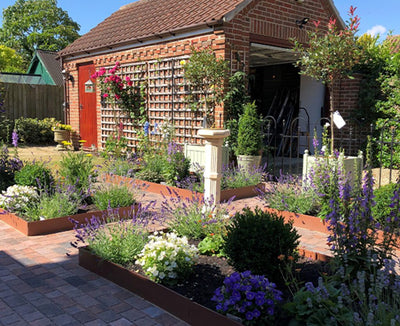
Whilst sturdy, our lawn edging systems can also offer the flexibility to achieve curved designs, and our range of material colours can suit softer landscape schemes.
Professional users typically prioritise durability and longevity, particularly in areas subject to machinery use. High quality edging systems are designed to withstand contact with mowers and strimmers while maintaining their structural integrity over time.
Lawn Edging Systems in Professional Turf Maintenance Programmes
Lawn edging systems are not a standalone solution but form part of a wider turf management strategy. Their true value becomes apparent when integrated into a complete maintenance programme that considers turf nutrition, soil health and surface presentation. As well as being aesthetically appealing, they can save time and money.
Integration with Turf Nutrition and Establishment
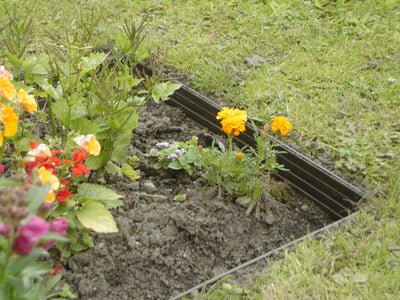
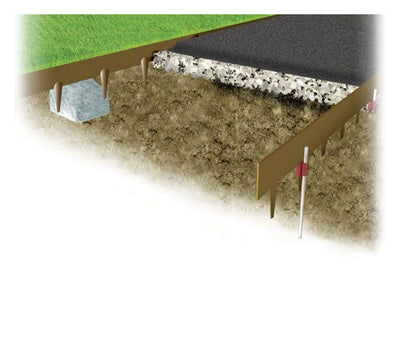
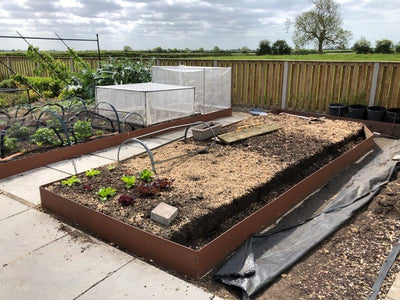
In newly established areas, edging helps define the boundary between paths, driveways and other decorative landscape areas and can be used before seeding or turfing, ensuring clean lines and ease of maintenance from the outset.
Once the lawn edging is in place, grass seed or plants can simply be sown into the chosen area and fertilised with a suitable pre-seeding or plant fertiliser. Once well established, ongoing maintenance includes targeted feeding using lawn or plant fertiliser to support turf or plant nutrition, often applied with a lawn or fertiliser spreader.
Alongside this, weed control is advised to manage invasive weeds, as well as moss control in lawns to address other seasonal gardening problems. In doing this, you will not only be establishing a healthy lawn, border or flower bed, but also making sure they remain well defined.
Supporting Weed and Grass Control
One of the key functional benefits of edging is its ability to act as a barrier to unwanted growth. By physically separating turf from planting areas, it is highly effective at reducing the spread of grasses and invasive weeds, limiting the need for repeated weeding, removal and intervention.
This is particularly valuable in high maintenance environments such as ornamental borders or formal landscapes, where precision and cleanliness are essential.
Seasonal Use of Lawn Edging Systems in Landscape Management
Lawn edging can be installed year-round, although spring is often one of the most popular times, as this is when new planting schemes and turf areas are often created or renovated. Lawn edging is used to define newly prepared planting schemes and by those who want to maintain and define their boundaries and lawn edges more clearly.
During summer, edging can help retain some moisture within planting zones, but primarily reduces grass creep into borders and pathways. It also simplifies mowing. There is no need to cut edges with shears, as you can simply mow up to the edge with a slightly raised blade or strim instead, all while maintaining a consistent sharp look to gardens and landscapes.
Autumn brings additional benefits, as grass growth that may have caused lawn edges to become unruly does not require re-edging, so again lawn edging saves precious time and labour costs.
Through winter, robust edging systems continue to provide structural stability, preventing erosion and maintaining the integrity of the landscape during periods of heavy rainfall and reduced ground stability.
Choosing the Right Lawn Edging System for Your Application
Selecting the appropriate lawn edging system depends on several practical and aesthetic considerations. The scale of the project, the level of maintenance expected, and the surrounding landscape design all influence the choice.
For high traffic or commercial environments, metal edging systems are often preferred due to their strength and longevity. In more decorative settings, softer flexible edging systems can be used, such as plastic and composites. However, a thinner gauge metal edging can still achieve these results, create soft flowing curves and gentler transitions, and offer the same levels of durability.
When considering lawn edging, it is also important to think about installation depth and profile. Effective edging should sit low enough to allow mowing over the surface while still providing a sufficient barrier to prevent grass encroachment. Alternatively, mower blade height can be adjusted or the edge can simply be strimmed. This balance ensures both functionality and ease of maintenance.
From a professional perspective, investing in quality edging systems delivers long-term benefits. Reduced maintenance time, improved surface definition and enhanced turf health all contribute to a more efficient and visually consistent landscape.
Ultimately, lawn edging systems form the structural backbone of well managed outdoor spaces. When combined with a considered approach to turf nutrition, soil management and ongoing care, they help create landscapes that are both functional and visually refined.